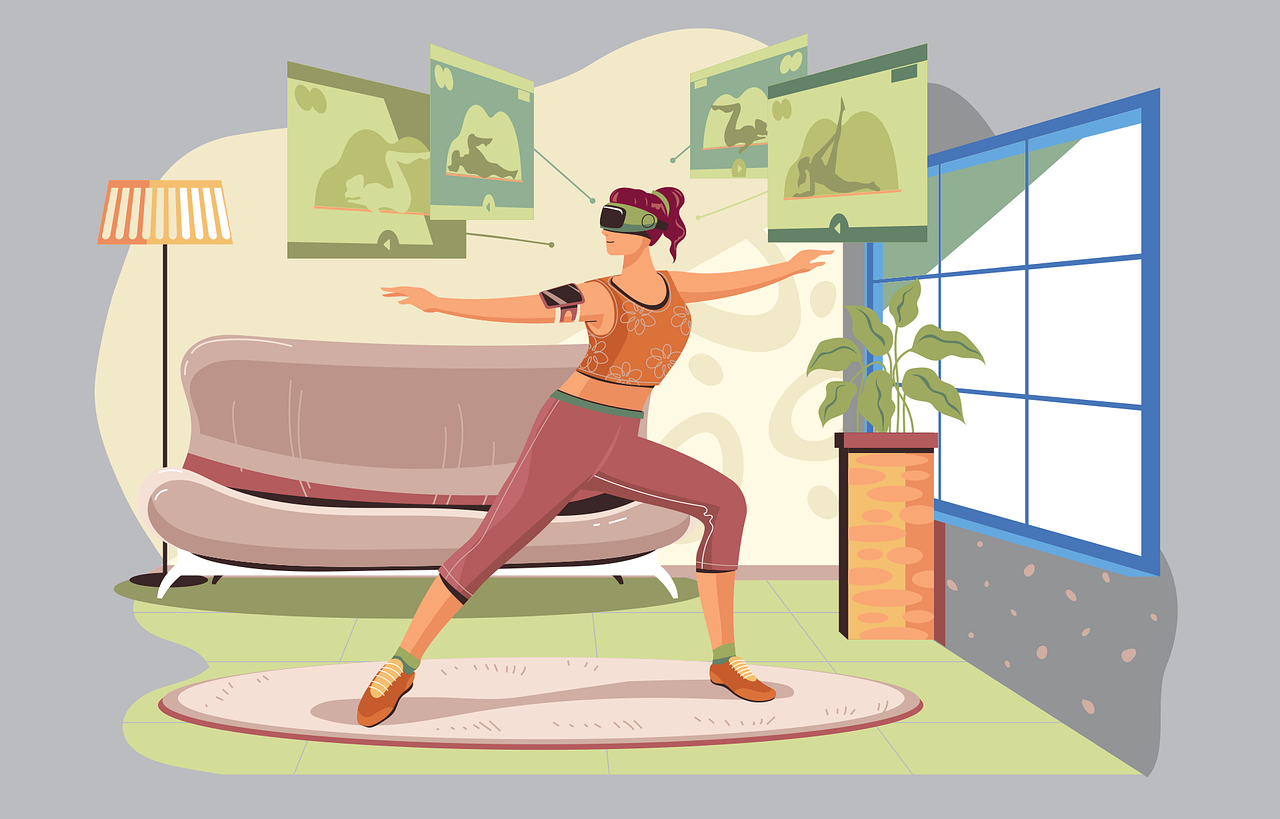

The Role of Virtual Reality in Enhancing Sports Training
Virtual Reality (VR) is revolutionizing the sports training landscape by providing immersive environments that can simulate real-life scenarios. As athletes strive for peak performance, VR technology offers them unique training experiences that traditional methods cannot match. It allows athletes to practice skills and techniques in a controlled, repeatable setting that can be adjusted to their specific needs. With VR, coaches can analyze performances in real-time, providing valuable feedback for improvement. Moreover, VR training can help reduce the risk of injuries by allowing athletes to engage in high-pressure situations without physical strain. This technology not only enhances the mental aspects of training but also allows for a more engaged and concentrated practice session, tailored to individual athletes. Furthermore, VR systems can replicate the emotional and psychological pressure of actual competitions. Athletes can familiarize themselves with various strategies and scenarios they may encounter. As the tech continues to advance, integrating VR into regular training regimens will become increasingly commonplace, leading to widespread acceptance in athletic programs around the globe. The potentials are limitless as innovations continue to unfold, promising a new era of effectiveness in sports training.
The psychological benefits of using VR in sports training are significant and cannot be overlooked. Mental resilience is crucial in competitive sports, and VR exposes athletes to game-like pressure, thus enhancing their coping mechanisms. It helps athletes visualize their performance in a crafted environment, creating a mental picture of success. This mental rehearsal can fine-tune their reactions, ultimately leading to improved on-field performance during competitions. Utilizing VR can also mitigate performance anxiety through repeated exposure to high-stakes scenarios. Athletes can practice mindfulness within the VR environment, which has been shown to reduce stress levels while enhancing focus. Additionally, VR offers athletes opportunities to play against virtual opponents programmed with various skill levels; this prepares them for real-life competition. Importantly, feedback from VR experiences is immediate and can be analyzed in depth, allowing athletes to correct their mistakes before facing real competitors. Coaches can use data gathered during these sessions to optimize training cycles. Overall, embracing VR technology is becoming essential for athletes desiring to attain a competitive edge in their respective sports and to develop a balanced mental approach to their training and competition.
Enhancing Physical Skills through Virtual Reality
Physical skill development is another area where VR excels. The technology provides a safe environment to practice various techniques, allowing athletes to enhance their muscle memory without the risk of injury during excessive training. In sports where movements are intricate, such as gymnastics or martial arts, athletes can review their performances in 3D renders, enabling precise corrections of their form and technique. By engaging virtually, athletes can better understand their bodily movements and refine skills through repetition. To further improve training sessions, VR can incorporate analytics to track progress, personalizing workouts based on athletes’ performance metrics. This adaptive learning helps athletes progress at their own pace, ensuring they master skills thoroughly. Virtual training sessions can also include interactive elements, whereby athletes compete against metrics or avatars. This competitive aspect can enhance motivation levels, thus driving athletes to push through barriers they might face in traditional training methods. Ultimately, VR becomes a powerful ally in physical skill enhancement, making routines more engaging and effective while broadening the approach coaches can take toward developing their athletes.
The use of VR technology contributes to the evolution of coaching methods significantly. Coaches, for instance, can utilize VR simulations to analyze opponent strategies which assist in strategizing better game plans. By visually participating in the gameplay scenarios, coaches can dissect movements and tactics from various angles. This form of observation transcends watching game footage and allows for a more refined analysis of mechanics. Consequently, it empowers coaches to impart their strategies with more clarity using the visual and experiential aspects of VR training. Furthermore, these simulations encourage collaborative training environments where athletes can engage with their teammates virtually. This collaboration fosters a spirit of teamwork and communication essential for success in sports. Through the lens of VR, remote coaching becomes feasible, offering insights even from afar. The trend is moving toward integrated platforms where coaches and athletes can communicate through the VR interface, ensuring continuous feedback. As technology advances, we are likely to see even more sophisticated VR systems tailored specifically for coaching. Subsequently, the impact of VR on coaching methodologies will undeniably reshape how athletes train and prepare for meetings in the future.
Inclusive Training Opportunities with Virtual Reality
Virtual Reality is also making sports training more inclusive for individuals with disabilities. By offering tailored experiences, VR can simulate challenges faced by athletes with varying abilities. This customization creates training programs aimed at enhancing their skills, fostering inclusion in sports. For example, visually impaired athletes can benefit from VR environments that emphasize alternative senses, such as sound and touch, providing cues beneficial during their practice. Additionally, individuals with mobility impairments can engage with sports in ways that traditional training lacks. VR makes it possible for them to experience adrenaline-pumping sports like swimming or skiing at their pace, ensuring engagement without physical limitations. Furthermore, adaptive equipment combined with VR tech can elevate training experiences for all. With customizable settings, coaches can track progress closely and adapt training as needed while harnessing athletes’ strengths. In this context, the significance of VR stems from its ability to break the barriers that have historically limited participation. As more adaptive VR tools become available, the landscape of inclusive sports will continue to expand, fostering diverse talent and promoting equality for all athletes.
The future landscape of sports training is indeed bright with the continuous integration of Virtual Reality. As more athletes and coaches adapt to this technological shift, the benefits of VR will become even more pronounced. Access to high-quality VR training systems is likely to become more widespread and affordable, enabling even youth sports programs to benefit from these advanced resources. As technology advances, the realism in simulations will enhance, creating more immersive experiences for athletes. Future VR systems may integrate AI to create more responsive and adaptive training scenarios, further optimizing the experience for each athlete. This evolution promises dynamically tailored training approaches based on individual progress and areas needing improvement. Moreover, as the technology progresses, stakeholders in various sports industries will likely invest in developing these VR platforms. Overall, the adoption of Virtual Reality technology opens new doors for athletes, enabling them to develop skills creatively while harnessing the power of technology. Enthusiasm for sports training through VR will facilitate comprehensive growth within athletes and athletic programs alike, heralding a new era of excellence in sports performance.
Conclusion
In conclusion, Virtual Reality has undeniably made significant strides in revolutionizing sports training worldwide. Its ability to create engaging and effective training environments is reshaping how athletes prepare for competitions across various levels. The combination of mental, physical, and coaching benefits demonstrates VR’s versatile applications in sports. By providing immediate feedback and individualized training experiences, athletes can continuously refine their skills while overcoming psychological barriers. The promotion of inclusivity through tailored VR training is expanding access and fostering diverse talent within sports communities. As the technology continues to develop, it promises not only to enhance athletic performance but also unify athletes of all abilities in their training endeavors. Stakeholders must continue to explore the application of VR technologies in sports training, collaboratively innovating methods and optimizing learning pathways. The implications of a well-integrated VR training framework could lead to unprecedented success in sports. Therefore, embracing this technology will not only benefit individual athletes but the larger sports community as a whole. The future of sports training is digital, immersive, and full of potential, with VR at the forefront of this transformative journey.
Ultimately, the journey of integrating Virtual Reality in sports training indicates a profound shift in how athletes and coaches approach their craft. Dedicating time to explore and understand this technology is essential for competitive advantage. Whether one is a seasoned athlete or just beginning their training journey, exploring VR can potentially unleash newfound abilities and enhance existing skills. The prospect of a futuristic training environment that is more engaging, informative, and safe is exciting. Innovations promise to attract youth to sports, create inclusive training opportunities, and even enhance community-building elements in sports programs. While embracing this technology, it is vital to ensure that there remains a balance between virtual and actual training experiences. After all, the essence of sports resides in human connections, teamwork, and physical interaction. Looking ahead, a symbiotic relationship between athletes, coaches, and virtual technologies will define the pathways to excellence in sports training. Through innovation, collaboration, and commitment to personal growth, athletes can enhance their performance through the advances that Virtual Reality brings to the sports training domain.