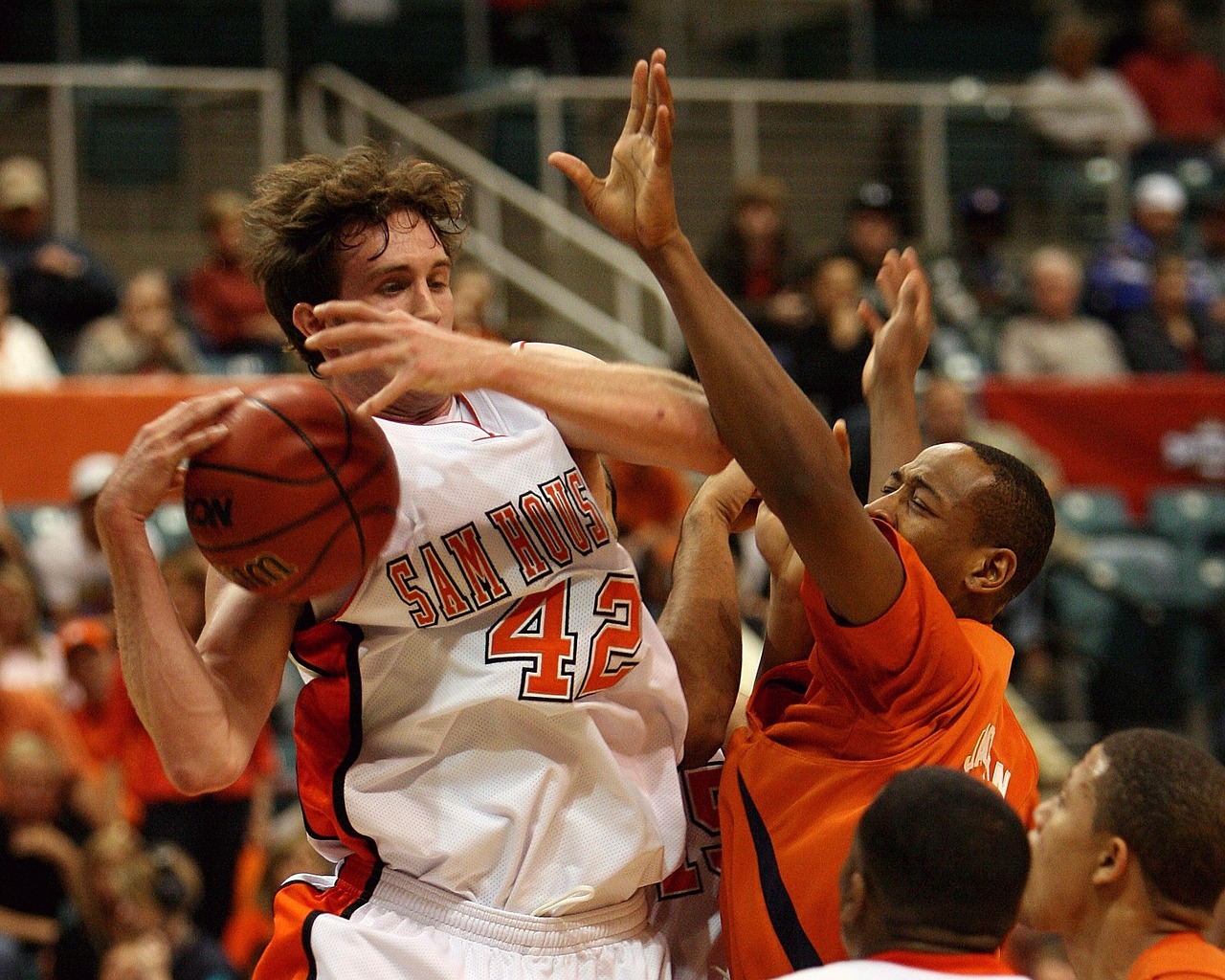

Analyzing Opponent Tendencies to Improve Defensive Strategy
Effective basketball defense starts with understanding your opponent, which helps improve your defensive strategy. Analyzing your opponent’s tendencies must be systematic and comprehensive. Start by observing their previous games, focusing on how they play under different circumstances, like during high-pressure situations or when behind in scoring. Creating a list of preferred plays and clutch moves will enable you to identify patterns in their gameplay. Examine crucial metrics, such as shooting percentages from various distances, their efficiency during pick-and-roll situations, and how they react defensively to specific formations. You might also want to break down their offensive plays into segments to pinpoint weaknesses within their strategies. Engage your coaching staff and players to contribute insights. Discuss important key players, their distinct skills, and their impact on the game. Additionally, make use of analytical tools and software designed to track player statistics and game trends. Engaging video analysis can further complement your understanding, helping you visualize your observations. This comprehensive analysis forms the bedrock of a sound defensive strategy that evolves based on in-depth game knowledge.
Another essential component of analyzing opponent tendencies involves scouting reports. These reports aggregate information collected from observing games and analyzing player statistics. Consistently updating these reports enables a team to adapt as opponents change their strategies throughout the season. Utilize a standardized format for these reports, ensuring that the information is easy to interpret for players. Highlight details like scoring patterns and player habits. Be specific about shooting spots—certain players may excel from the corner three-point line while struggling from the top of the key. Coach players on the significance of defensive scouting, encouraging them to internalize the information presented on the reports. Use video clips to illustrate situations where different players scored easily against defenses. Visual learning can reinforce your team’s understanding of opponents’ tendencies. Schedule meetings before games to go over scouting reports, allowing time for questions or clarification. This interaction can enhance team cohesion while creating a culture of constant learning. Incorporating feedback from players during practice allows the defense to adapt quickly. This proactive approach to adjustments will ultimately bolster your team’s defensive readiness for game day.
Utilizing Game Film for Effective Learning
One invaluable resource for analyzing opponent tendencies is game film. Recording and reviewing past games allows coaches and players to identify fundamental patterns. Focus on key interactions between opposing offensive players and defenders to extract useful insights for your strategy. Evaluate how the opposition exploits defensive weaknesses to create scoring opportunities. Look for specific plays they favor against various types of defenses, such as man-to-man or zone. Study the opposition’s reaction to double teams or changes in defensive matchups. Encourage your players to watch film as part of their development, making it an integral component of preparation. This can be done through structured film sessions that focus on upcoming opponents while allowing players to see themselves and learn from both good and bad plays. It’s important to frame these discussions positively, fostering an environment where players feel comfortable improving through critique. Pairing video analysis with practical drills can reinforce the tactics discussed. Players can visualize scenarios they may encounter, enhancing their ability to adapt during live gameplay. Ultimately, integrating film study into practice creates a resilient defense prepared for varied offensive approaches.
Besides game film and scouting reports, collecting data analytics can be beneficial in analyzing tendencies. Utilize advanced statistics to inform your understanding of opponents’ playing styles. Metrics such as player usage rate, assist-to-turnover ratio, and defensive box plus-minus provide a clearer picture of player performance. Data can highlight essential points; for instance, which players tend to take high-risk shots under pressure. Combine these stats with qualitative observations to paint a complete picture of each opponent. Additionally, employ charting techniques during games, which can track specific movements, shot selections, and plays executed. Data analysts can help translate unstructured data into actionable insights, enabling coaches to develop tailored strategies based on statistical evidence. Adjustments during games based on observations and data flow can give teams the upper hand. Ensure the entire team understands the importance of these statistics in decision-making and how they impact the overall flow of the game. Ultimately, blending quantitative data with qualitative insights helps your defense stay prepared against the ever-evolving offensive strategies of opponents.
Communication is Key
Analyzing opponent tendencies is only half the battle; effective communication within the team is crucial in executing defensive strategies. Strong communication allows for dynamic adjustments as the game unfolds, ensuring everyone is on the same page. Encourage players to voice what they see on the floor in real-time, creating a feedback loop that enhances collective performance. Emphasizing vocal leadership during practices reinforces proactive communication habits. Develop specific calls or signals that convey crucial defensive strategies instantly, especially during high-pressure moments. Each team member should be familiar with their roles, ensuring no assignments are missed. Regular team meetings help reinforce expectations for communication during games, allowing players to voice concerns or suggestions. This practice nurtures team cohesion, resulting in a more unified approach to defensive execution. Similarly, players need to trust each other’s instincts, allowing for fluid adjustments without confusion. Coordinate drills focused on communication during defensive sets that simulate real-game scenarios. Evaluating strength in communication during scrimmages enhances your team’s ability to perform in actual games. Communication channels must remain open, leading to quicker reactions to opponents’ movements and strategies.
Adjusting to opponents’ tendencies may involve changing your defensive strategies dynamically during the game. Flexibility in gameplay is crucial; once the game starts, you need to adapt based on what you observe. This doesn’t necessarily mean overhauling your entire defensive strategy but involves minor adjustments that can significantly impact your effectiveness. For example, you might start with man-to-man defense but switch to a zone if it proves effective against specific offensive players. Encourage your players to remain vigilant and aware of opponents’ movements and preferences, ready to adapt as needed. Discuss the principles of adaptive defense during practice sessions. Set up scenarios that require players to quickly adjust based on different offensive formations or player alignments. Utilizing substitutions can also help mesh defensive schemes better with the players on the court. Emphasize that the best defenses not only read opponents but also react in real-time. Encourage a growth mindset among players, fostering an environment that prioritizes learning and adaptation. This willingness to improve continuously will ultimately fortify your defensive capabilities throughout the season.
Continuous Evaluation and Feedback Loop
Lastly, the analysis of opponent tendencies must be an ongoing process. After each game, conduct evaluations with your team to discuss what worked and what didn’t. A feedback loop is essential for improvement. This allows the team to reflect collectively on their strategies and adjust future training accordingly. Analyze statistical performance, as well as the efficiency of the defensive schemes used during the game. Identifying areas of strength and weakness can help shape upcoming practices and focus your training. Encourage a culture of accountability where players share their individual insights. This can lead to unexpected improvements when players feel empowered to contribute to team-wide strategies. Incorporate drills designed specifically to correct defensive weaknesses identified in prior games. Continuously revisit scouting reports and game film to keep players engaged and enthusiastic about learning. Such reflective practice ensures players remain informed and ready to adjust to opponents. In essence, basketball defense is a combination of rigorous analysis and adaptable strategy. Encourage your players to embrace this mentality, fostering a love for strategic learning that ultimately enhances their performance on the court.