
Are Multivitamins Necessary for Vegan Athletes?
Vegan athletes often question if multivitamins are essential for their performance and health. The vegan diet, while rich in many nutrients, can sometimes lack certain vitamins and minerals critical for athletes. This concern leads many to explore supplement options to avoid deficiencies. Key nutrients of concern for vegan athletes include Vitamin B12, iron, calcium, zinc, and omega-3 fatty acids. These nutrients play vital roles in energy production, muscle recovery, and overall health. While whole foods are the ideal sources for these nutrients, obtaining all of them solely from a plant-based diet can be challenging, especially for those training intensely. Therefore, multivitamins offer a convenient way to fill any gaps. They can help ensure that athletes receive adequate amounts of essential nutrients that might be challenging to track through diet alone. It’s always wise to consult a healthcare professional before starting any supplementation regimen. They can provide personalized advice based on dietary habits and individual health needs. Vegan athletes must also focus on whole food sources such as legumes, nuts, seeds, and whole grains to optimize their nutrient intake alongside supplementation.
Studies show that a well-planned vegan diet can support athletic performance effectively. However, vegan athletes need to pay particular attention to their nutritional intake. Incorporating various fruits, vegetables, and fortified foods can help meet nutrient demands. Additionally, many athletes rely on multivitamins to cover potential dietary shortcomings. A multivitamin can be beneficial, particularly if it contains targeted amounts of nutrients like B12 and iron. B12 is predominantly found in animal products, so it is crucial for vegans to seek alternative sources or suitable supplements to avoid serious deficiencies. Iron, too, can be less bioavailable in plant foods, making its supplementation critical. Those who train hard may require more iron than general recommendations suggest. Calcium and zinc are vital for bone health and immune function, respectively. Furthermore, some athletes find that omega-3 supplements derived from algae can help improve their recovery and reduce inflammation. While the benefits of multivitamins can be significant, they should not replace a balanced nutrition plan. Dietary supplements are intended to complement, not substitute, healthy eating habits.
Potential Benefits of Multivitamins
Multivitamins can provide several benefits to athletes, particularly those following vegan diets. Supplementing with a multivitamin can help ensure that all dietary gaps are filled, promoting optimal health and peak performance. Athletes often face intense training schedules, which can lead to increased nutrient requirements. Organic, whole-food-based multivitamins can offer a natural solution to meeting these needs. They can boost energy levels, enhance recovery, and support immune health. A well-formulated multivitamin will contain a blend of essential vitamins and minerals beneficial for active individuals. This includes antioxidants that combat oxidative stress, promoting recovery after strenuous workouts. Many vegan athletes report feeling more energized and less fatigued when incorporating multivitamins into their routines. The improved mood and performance associated with adequate nutrition cannot be overstated. Notably, proper supplementation might also ease the transition for athletes shifting to a vegan diet. For some, it acts as a safety net while they learn to optimize their plant-based diets. However, individual needs vary greatly, making personalized supplementation essential.
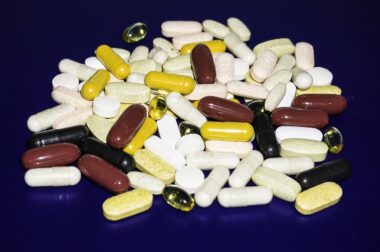
Another important aspect to consider is the form of multivitamins. There are various types available on the market, including tablets, capsules, powders, and gummies. Each form has its pros and cons concerning absorption and convenience. For example, powders can be easily mixed into smoothies or shakes, making them more versatile for athletes. In contrast, capsules and tablets may take longer to dissolve in the digestive system. Vegan athletes should specifically look for multivitamins free from animal-derived ingredients or additives. Certified vegan multivitamins ensure that none of the components have animal origins. This consideration helps maintain ethical alignment with their dietary choices. Furthermore, carefully reading labels is vital to ensure the multivitamin provides the required daily allowances for essential nutrients. Athletes may also choose to consult with a nutritionist specializing in sports nutrition, which offers invaluable guidance tailored to individual needs. In doing this, athletes can feel secure about their choices and ensure that their supplementation supports their unique lifestyle requirements.
Monitoring Nutrient Intake
Tracking nutrient intake is essential for athletes of all dietary practices, especially for vegans. A well-rounded diet can sometimes mask deficiencies, which could impair athletic performance. Regularly monitoring nutrient levels via blood tests can provide insights into areas requiring attention. Athletes should discuss these health evaluations with a healthcare provider to develop a tailored approach for supplementation if necessary. Food journals or apps can help evaluate dietary habits, emphasizing areas where the athlete may lack essential vitamins and minerals. Ensuring a variety of plant foods are consumed regularly encourages a more balanced intake. Increasing awareness about macro and micronutrient profiles ensures athletes support their training effectively. Additionally, professional nutritionists can help vegan athletes craft a comprehensive meal plan that minimizes the risk of deficiencies. A robust meal planning strategy empowers athletes to optimize endurance, strength, and overall well-being. Achieving specific performance goals relies heavily on maintaining a balanced nutrient profile. The approach ensures that vegan athletes not only meet their current energy needs but also build resilience against potential health challenges.
Ultimately, the decision to use multivitamins should be individualized, taking into consideration overall dietary habits and training intensity. For some vegans, multivitamins act as an insurance policy for their nutritional needs, providing peace of mind amid a busy training schedule. It’s essential to note that while multivitamins can be beneficial, they work best when paired with a nutritious whole-food diet. Engaging in lifelong learning about nutrition can empower vegan athletes to enhance their eating habits continuously. The balance of whole foods rich in nutrients alongside effective supplementation plays a pivotal role. Meanwhile, continuous research into the efficacy of various supplements will help clarify their role within vegan diets. Given the increasing popularity of plant-based lifestyles, it is critical to remain informed about best practices and new findings in sports nutrition. Knowledge expands options for optimizing performance sustainably without compromising health. Vegan athletes have many resources available, from online communities to literature, and should leverage these to better understand their requirements.
Conclusion
In conclusion, multivitamins can play a significant role for vegan athletes in meeting their nutritional needs. While a well-planned vegan diet can support health, supplementation can enhance well-being and performance. It’s essential to focus on both dietary sources and appropriate supplements to maximize health benefits. Consulting with healthcare professionals will provide personalized recommendations that align with individual training regimens and health profiles. With proper guidance, vegan athletes can find a balance that works for them, ensuring they perform at their best. Education on nutrition will continue to empower vegan athletes to make informed dietary choices and incorporate supplementation that reinforces those choices. Ultimately, the goal is to foster performance and recovery while maintaining commitment to a vegan lifestyle. Regularly reviewing dietary habits will support sustained health benefits. Multivitamins can be a valuable adjunct to a holistic approach to sports nutrition, especially for those who engage intensely in athletic pursuits. Proper planning will ensure that supplementation complements a well-established plant-based diet while helping athletes achieve their goals effectively.
Choosing the right multivitamin is critical in achieving optimal results. Options abound in today’s market, so scrutiny is necessary. Ultimately, a tailored approach to supplementation is the best guarantee for effectiveness and safety. Vegan athletes must ensure that they’re considering their dietary habits carefully to avoid potential nutrient gaps. Continuous education and resourcefulness in nutrition can assist athletes in making the healthiest choices for their lifestyle and performance goals. By thoroughly evaluating their needs and ensuring balance in their diet and supplementation, vegan athletes can thrive on their plant-based journey.