
Dynamic Core Training: A Game-Changer for Sports Performance
Dynamic core training is revolutionizing athletic performance by enhancing functional strength and stability. Core stability is not merely about aesthetics; it is crucial for overall athletic performance. A strong core directly contributes to improved balance, stability, and power while reducing injury risk. Athletes can significantly benefit from incorporating dynamic core exercises into their training regimen. These exercises are designed to challenge the core muscles dynamically and emphasize movement patterns that mimic athletic activities. This adaptability allows athletes to harness greater power during movements such as running, jumping, and throwing. Additionally, integrating various planes of movement within core workouts keeps them engaging and effective. Examples of dynamic exercises include medicine ball throws, kettlebell swings, and stability ball rollouts. Such exercises help in achieving core strength while training functional movements. Moreover, core training should not be isolated from other workout elements, such as strength and flexibility training. Instead, a cohesive training plan that combines these aspects will optimize an athlete’s performance. Through implementing dynamic core training, athletes unlock improved sports skill execution, achieving their competitive goals efficiently and safely.
The Importance of Core Stability in Athletes
Core stability plays a pivotal role in athletic performance, influencing every aspect of an athlete’s movement. A stable core enhances coordination and overall efficiency, directly affecting speed and agility. When athletes have a solid foundation, their ability to absorb and generate force improves significantly. This is vital in sports that require rapid directional changes, such as soccer and basketball. Furthermore, a stable core reduces the likelihood of injury by promoting proper body mechanics, especially during strenuous activities. Engaging kinetic chains—groups of muscles working together—starts at the core, making stability essential not just for performance but for longevity in athletic careers. Core strength training provides numerous benefits, such as enhancing posture, which can lead to improved balance during competitive play. It’s not just about strength; flexibility is equally important for avoiding injuries. Functional core training often incorporates stability exercises that emphasize control, balance, and strength across various planes. By focusing on strengthening the core, athletes can ensure a solid base for all movements, allowing them to execute skills with precision, power, and safety. Dynamic core training ultimately morphs into a vital component of comprehensive athletic development.
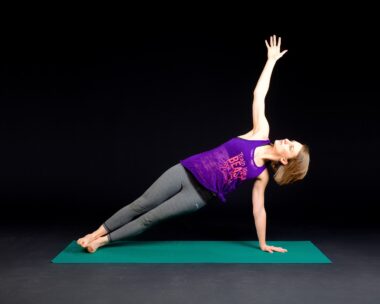
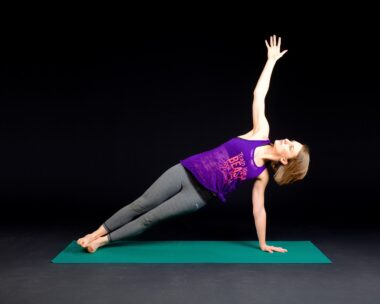
The benefits of dynamic core training extend beyond performance enhancements, as they contribute to injury prevention. A strong core stabilizes the pelvis and spine, which minimizes the strain placed on surrounding muscles and joints. Injury-prone regions such as the lower back can significantly benefit from these exercises, as they help build endurance in stabilizing muscles. Incorporating dynamic movements, such as rotational exercises, ensures that the training simulates real-life athletic scenarios. Additionally, exercises that engage multiple muscle groups not only keep training routines engaging but also enhance metabolic conditioning. This results in improved cardiovascular health alongside enhanced muscle strength. Many athletes often overlook the importance of their core in training; however, core training should be integrated into all training phases. For optimal results, any training regimen should include exercises specifically targeting core stability. Several easy-to-implement exercises, like plank variations or resistance band routines, can deliver impressive benefits. Establishing core strength is also linked to improved mental focus and awareness during competition. In sports, mental sharpness is as essential as physical capability. A well-conditioned body achieves harmony between both aspects, enabling athletes to reach their highest potential while minimizing injury risk.
Incorporating Dynamic Core Training into Your Routine
Incorporating dynamic core training into athletic routines can be seamless with a few well-structured considerations. First, it’s paramount to establish a solid foundation by including basic core strengthening exercises. These foundational exercises, such as planking and bicycle crunches, help build the necessary endurance needed for more dynamic movements. Gradually transitioning to exercises requiring balance, coordination, and strength will prepare athletes for performance-specific movements. Incorporate stability balls, resistance bands, and medicine balls into exercises to stimulate various muscle groups dynamically. Furthermore, varying the intensity of workouts promotes progressive overload, allowing athletes to continually develop their strength. Additionally, pairing core exercises with lower body and upper body drills can enhance functional movements within the workout sessions. For example, integrating a lunge with a twist on a stability ball reinforces core strength while engaging the legs. To prevent fatigue and maintain high performance, follow exercise guidelines, ensuring participants have adequate recovery periods. Regularly evaluate your training routine to identify areas needing improvement. Keeping track of workouts helps athletes recognize gains, making training more motivating. This will lead to improved core strength and overall athletic performance through systematic dynamism.
Dynamic core training also significantly impacts skill acquisition and sport-specific performance. As athletes develop core stability through dynamic exercises, their body’s ability to perform complex movements enhances. This allows for better control and execution of sport-specific skills, such as throwing a football or swinging a bat. Improved coordination and balance translate into more effervescent athletic prowess, often setting athletes apart in competitive environments. Moreover, enhanced core strength directly contributes to quicker recovery times after strenuous activity or injury. This flexibility and responsiveness ensure athletes can return to peak performance faster than those lacking a solid core foundation. Coaches should prioritize dynamic core training while structuring practice schedules. Incorporating a few core drills at the beginning or end of training sessions promotes consistency and awareness among athletes regarding their core strength’s role in performance. Storytelling linked to successful athletes who emphasize core training can also motivate budding talents to make training a priority. The psychological benefits derived from knowing they are preparing adequately provide athletes with confidence. Effective core training establishes a strong link between physical capability and mental fortitude, creating well-rounded competitors equipped for success across various sports.
Measuring Progress in Core Stability Training
To gauge the effectiveness of dynamic core training, athletes must focus on measurable progress indicators. Assessing core strength can begin with baseline tests, enabling athletes to document their starting level. Common tests involve holding a plank for time, performing maximum repetitions of core exercises, or analyzing functional movement patterns during sport-specific tasks. Establishing benchmarks motivates athletes to work toward improved outcomes, creating performance accountability. Tracking improvements over time through regular assessments reveals the notable benefits experienced during dynamic core training. In addition to performance measurements, athletes should recognize changes in their physical and mental capabilities. Enhanced proprioception, balance, and coordination often manifest themselves, leading to increased confidence during competition. Feedback from peers and coaches can further provide insights into progress, ensuring a comprehensive study of development. Moreover, creating a structured training log allows athletes to monitor their routines closely. Reflecting on experiences helps adjust workout strategies and showcases growth over time meticulously. With commitment and consistent practice, improved core stability not only benefits individual athletes but also contributes to enhanced team performance in various sporting disciplines. Through collective growth in this aspect, athletes can positively influence their teams’ overall success.
The implementation of dynamic core training transcends mere physical conditioning; it nurtures an athlete’s overall performance mindset. Athletes gain an unparalleled understanding of their bodies’ biomechanics by embracing core training. This awareness cultivates a deeper connection between physical actions and mental clarity, thereby enhancing their competitive edge. As core strength develops, athletes often notice improved mental focus and sustained energy levels. These factors come together to eliminate distractions, allowing concentration on performance execution. Emotional resilience, critical for overcoming challenges during competitions, is bolstered by the confidence gained from training achievements. Moreover, training in a group setting fosters camaraderie among teammates, creating a supportive environment essential for success. Sharing goals and progress within a team can further bolster motivation for individual and collective performance enhancement. Athletes can also take advantage of online resources for tutorial exercises, ensuring they are well-informed on optimizing their core training journey. Accessibility to training materials enhances awareness and commitment, allowing athletes to engage effectively with their bodies. The application of a well-rounded approach makes dynamic core training a game-changer in the pursuit of excellence in sports performance. Striking a harmonious balance between strength, stability, and mindset leads to exceptional results in athletic endeavors.