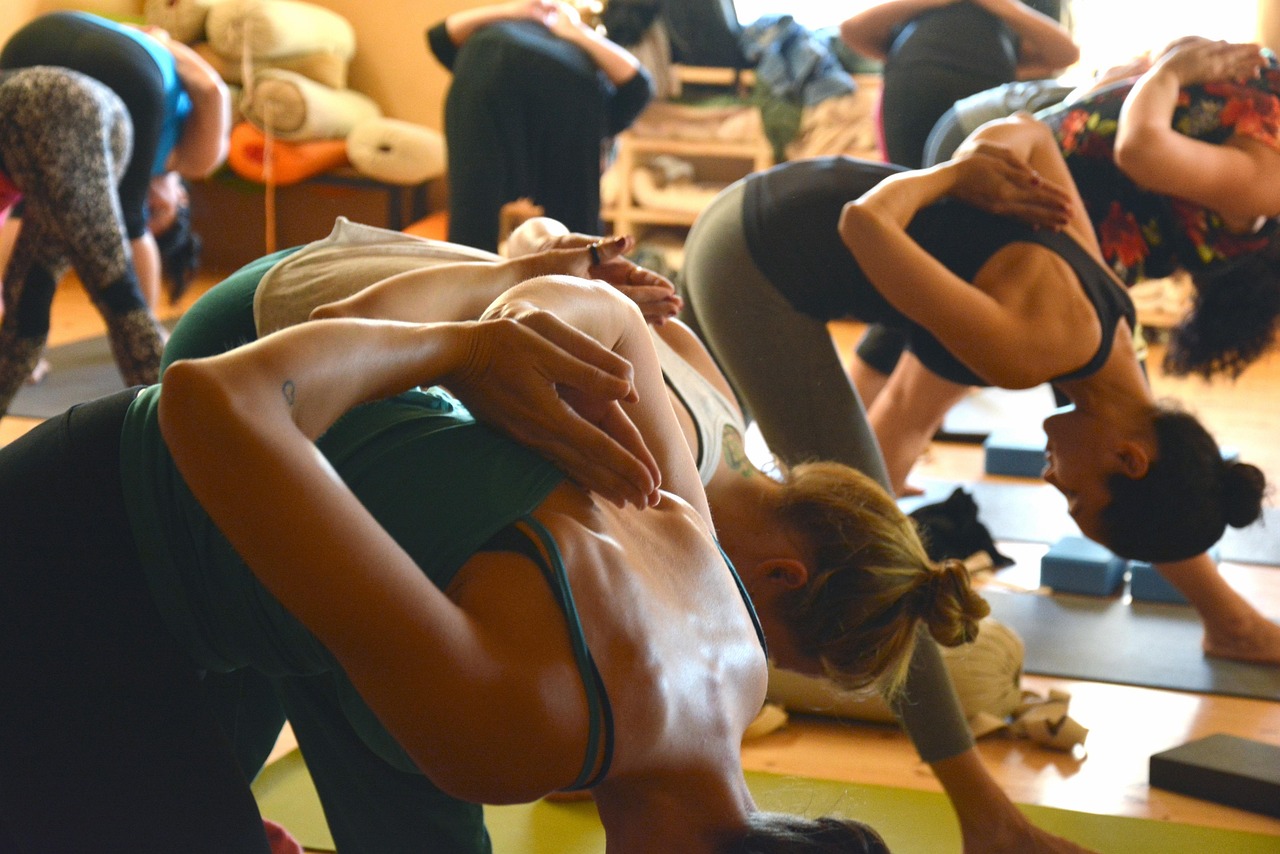

How Yoga and Pilates Groups Foster Mental Health and Wellbeing
Yoga and Pilates have become increasingly popular as essential practices complementing mental health and overall wellbeing. These activities foster a strong sense of community among practitioners, enhancing social bonds and feelings of belonging. Many individuals, particularly those navigating stressors or mental health issues, find solace in participating in group classes. Such interactions can normalize individual struggles, providing essential support while promoting an inclusive atmosphere. Communities centered around yoga and Pilates not only focus on physical wellness but emphasize mental stability. Regular practice releases pent-up emotions, enabling participants to process and express feelings more openly. The shared experiences within these groups create a sense of collective healing. Everyone is encouraged to engage authentically, resulting in stronger social ties. Many groups also integrate community events that further enhance connections and deepen relationships among members. This communal aspect is vital for creating a safe space fostering vulnerability. Group settings inspire collaboration and collective motivation. Practitioners are more likely to attend classes and stay committed when surrounded by supportive peers who understand their challenges and aspirations. Thus, yoga and Pilates communities contribute significantly to personal growth and emotional resilience.
Building Connections Through Shared Practices
One significant benefit of group yoga and Pilates classes is the creation of meaningful connections. Practitioners bond over shared interests and experiences, transforming exercise into a nurturing environment. This interaction strengthens relationships, making it easier for individuals to seek help and support from one another. Through shared challenges, people discover they are not alone in their struggles. Instructors often emphasize collaboration and collective progression, fostering a supportive mindset. These elements are essential in promoting mental health, as participants feel appreciated and supported. Many groups adopt a buddy system, where individuals pair up for mutual encouragement. This enhances accountability and motivates friends to engage consistently, reinforcing their commitment to both practice and each other. Participants also learn valuable communication skills through open discussions and feedback. As they share their journeys, individuals cultivate empathy and understanding. Community forums may host workshops, inviting local mental health professionals to discuss related topics. Such initiatives cultivate a greater awareness of mental health issues and effective coping strategies. Consequently, engaging in communal practices not only fosters healthier relationships but also empowers members to take proactive steps toward achieving their mental wellness goals.
Several research studies highlight the positive impact of yoga and Pilates on mental health. Engaging in these practices has been shown to reduce factors contributing to anxiety and depression. Group settings particularly enhance these effects, combining physical movement with community support. Practitioners participating consistently report improved mood levels, greater emotional regulation, and reduced stress. The shared experience within group classes cultivates an atmosphere of encouragement and positivity. Participants often feel more at ease discussing mental health topics, leading to healthier perceptions and increased resilience. Classes that incorporate elements of mindfulness, such as meditation or breathwork, further enhance emotional benefits. Group members become adept at supporting each other through active listening and empathy. This practice instills a deeper sense of belonging, which is crucial for positive mental health outcomes. Many sessions also provide opportunities for group discussions on personal growth, further enriching members’ emotional experiences. This anonymous sharing encourages open dialogue surrounding mental health challenges. The result is a supportive environment fostering healing; participants feel validated, empowered, and less alone. Therefore, engaging in group yoga and Pilates sessions can profoundly influence participants, both personally and collectively.
Encouraging Healthy Lifestyle Choices
Yoga and Pilates groups significantly promote healthy lifestyle choices beyond physical practice. Since community members often share insights about nutrition, wellness, and self-care, they offer valuable support in many aspects of life. This environment encourages individuals to cultivate holistic habits, embodying a healthier lifestyle. Participating in a yoga or Pilates class often inspires participants to adopt better eating habits, exercise regularly, and prioritize self-care practices. Members frequently share tips and resources, encouraging one another to stay informed about mental health and wellbeing. Among communities, discussions about effective strategies often lead to collective learning and improvement. Groups often organize nutrition workshops and cooking classes, emphasizing healthy meal preparation for optimal physical performance. By creating such educational opportunities, members feel empowered to make informed decisions regarding their overall health and wellbeing. Additionally, many yoga and Pilates communities incorporate group challenges to motivate participants. These might include physical milestones, mindfulness practices, or even digital detox challenges. Engaging in such activities strengthens bonds and fosters accountability among members, increasing the likelihood of sustained participation and healthier choices.
The inclusion of diverse activities within yoga and Pilates communities can enrich participants’ experiences. Many groups host social events or themed workshops, blending wellness with enjoyment. Such initiatives highlight the importance of building relationships outside the studio environment, fostering friendships that contribute to long-term mental health. For example, yoga retreats enable practitioners to deepen their practice while connecting on a personal level with other participants. These shared experiences allow individuals to escape daily pressures, immersing themselves in a rejuvenating environment filled with support and understanding. Moreover, activities like community yoga in parks or local fundraisers encourage individuals to engage with their surroundings and give back. Programs combining physical movement with social responsibility invite participants to contribute toward meaningful causes. This further fosters a sense of purpose, nurturing a positive community spirit. This approach benefits both the individual and the community as a whole, generating feelings of satisfaction and fulfillment. Ultimately, the variety of activities found within yoga and Pilates groups keeps members engaged, reinforcing emotional health and wellbeing while forming lasting connections. The potential for creating fundamental changes in life through these enriching practices is immense and worthwhile.
Supporting Mental Health Awareness
Many yoga and Pilates communities actively promote mental health awareness by incorporating educational aspects into their practices. These groups often invite guest speakers or mental health professionals to lead discussions, ensuring that members have access to crucial information. This focus on mental health not only educates participants but also destigmatizes discussions surrounding mental wellness. By creating open dialogues, individuals feel more comfortable seeking help when needed and providing support to others. Group leaders frequently encourage members to share personal experiences or resources they have found effective, further enriching the conversation around mental health. Participation in these discussions allows individuals to practice vulnerability in a safe and supportive space. Additionally, community workshops may focus on various topics, such as mindfulness, stress management, and emotional resilience. By introducing practical techniques, participants leave with tools to enhance both their practice and everyday life. Cultivating a culture that prioritizes mental health awareness fosters growth among members. Participants can explore various mental health coping mechanisms, enabling them to better navigate their emotional landscapes. The support found within these communities can lead to significant transformations in personal growth and renewed enthusiasm for mental wellness.
In conclusion, yoga and Pilates groups play a pivotal role in fostering mental health and wellbeing through their support structures and shared experiences. These communities create a nurturing environment that encourages positive interactions, open conversations, and emotional growth. The social connections forged within these practices not only enhance individual resilience but also contribute toward collective healing. By prioritizing mental health awareness, group members empower each other to make informed decisions, promote healthy lifestyles, and navigate challenges together. Participation in yoga and Pilates allows individuals the opportunity to develop meaningful relationships further, embracing a sense of belonging. With enhanced motivation, practitioners are more likely to sustain healthy habits over time, fostering both physical and mental health. Community support contributes significantly to shaping healthier mindsets, erasing stigmas surrounding mental health discussions. Ultimately, these environments provide individuals with a strong foundation for achieving personal transformations. Practitioners have access to holistic tools essential for enhancing overall wellbeing. As more individuals engage in yoga and Pilates communities, the ripple effect on broader society could be profound, inspiring generations to prioritize mental and emotional health.