
Incorporating Plyometric Exercises into Your Daily Home Routine
Plyometric exercises have gained immense popularity for their ability to enhance strength and agility. These high-intensity workouts are designed to exert maximum force in short intervals, making them ideal for individuals looking to boost their fitness level rapidly. By incorporating plyometric exercises into your daily home routine, you can effectively build muscle and improve athletic performance. Such workouts involve dynamic movements that include jumps, hops, and bounds, which can be performed with little to no equipment. To start, consider creating a dedicated space at home where you can maintain focus and comfort. Plyometric training can also help maintain cardiovascular health while enhancing coordination, vital for achieving optimal physical performance. Whether you are a beginner or an experienced athlete, these exercises are adaptable to suit any fitness level and can be modified to include variations based on personal preferences. With regular practice, you can notice improvements in your overall fitness, including faster sprinting, explosive power during sports, and better balance. Be sure to follow proper techniques to avoid injury while maximizing the benefits of your workouts.
Benefits of Plyometric Workouts
Incorporating plyometric workouts into your routine presents numerous benefits for both body and mind. The effectiveness of these exercises can significantly enhance your physical capabilities. Firstly, plyometric exercises elevate your heart rate, contributing to improved cardiovascular health. Additionally, they increase muscle strength and explosive power, which are essential for athletic performance in various sports. Moreover, by performing multi-joint movements, you’re training several muscle groups simultaneously, leading to better efficiency in workouts. Another critical advantage is the enhancement of speed and agility; as you progress, you’ll experience quicker response times and improved coordination. Plyometrics not only improve your physical conditioning but can also have a psychological influence by boosting self-confidence. When you see measurable improvements, it can motivate you to push yourself further. Furthermore, plyometric exercises can be done anywhere, making them perfect for home workouts. They can fit easily into your daily schedule, whether in the backyard or living room. When introducing new plyometric moves, it’s vital to ensure proper form to reduce injury risk while still enjoying the incredible benefits these exercises offer.
To execute plyometric exercises safely, understanding the fundamentals is crucial. Start with a proper warm-up to adequately prepare your muscles and joints for the high-intensity movements ahead. This could include dynamic stretches and simple movements to gradually elevate your heart rate. Always prioritize good technique over speed. Whether you’re performing box jumps or squat jumps, executing the movements correctly becomes vital in preventing injuries. Focus on landing softly on your feet to protect your knees and joints while ensuring stability upon landing. Integrating a rest period between sets will allow your muscles to recover and will prevent fatigue that can lead to poor form. Gradually build up your intensity and complexity of the workouts as you progress. Start with basic exercises before advancing to more complex variations. Remember, consistency is key in plyometric training; aim to incorporate these workouts into your routine at least 2-3 times per week for optimal results. Listen to your body and allow it adequate rest and recovery time to adapt and get stronger. Slowly, your confidence in performing each exercise will enhance, making the workouts more enjoyable.
Beginner Plyometric Exercises
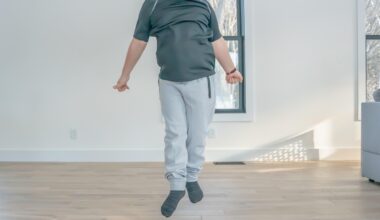
If you’re new to plyometrics, starting simple is a wise strategy. One of the best entry-level exercises is the jump squat. To do this, stand with your feet shoulder-width apart, lower your body into a squat, and then jump up explosively. Remember to land softly and return to the squat position, repeating for several repetitions. Another effective exercise is the box jump where you need a sturdy box or platform. Stand in front of the box, jump onto it, and step down carefully. This movement trains not only your legs but your core as well. The hopping exercise is also beneficial; simply place your feet together, and hop forward and backward or side to side. These exercises can be executed with minimal equipment and can be done at home, making it easily accessible for everyone. Start with sets of 10-15 repetitions and gradually increase as you gain confidence. Combine these workouts with some strength training for overall body conditioning. Tracking your progress is critical for motivation and can provide insight into areas needing improvement.
As you become more comfortable with the basic plyometric exercises, consider progressing to more advanced techniques. You can incorporate exercises such as burpees, jump lunges, or plyometric push-ups into your routine. Burpees combine strength, coordination, and cardio in one full-body move, making them an excellent choice for advanced training. For jump lunges, start in a lunge position and explode upward, switching legs mid-air, returning to a lunge on the opposite leg. Plyometric push-ups involve pushing off the ground with enough force to lift your hands momentarily, offering an effective workout for your upper body. These advanced exercises challenge your body further and can significantly enhance your explosive strength and muscular endurance. Ensure you maintain proper form as you perform these movements, as higher intensity can also increase the risk of injury. Incorporating these exercises into a circuit can create a high-energy workout that maximizes fat burning and builds muscle simultaneously. Aim to include these exercises 2-3 times per week while allowing rest days for muscle recovery.
Final Thoughts on Home Plyometrics
In conclusion, incorporating plyometric exercises into your daily home workout routine can yield substantial benefits towards enhancing your fitness levels. It’s essential to remember that consistency and technique are vital components to effective training. Beginners should take time to master the foundational movements before progressing to more advanced versions. Set realistic goals and gradually work towards them, keeping track of your improvements. Listening to your body and providing adequate recovery time is crucial to avoid overtraining, which can derail progress. These workouts can easily be tailored to meet various fitness levels, allowing virtually anyone to partake. Whether seeking to enhance athletic performance or simply maintain fitness, plyometric exercises can fit into your life seamlessly. As you progress, consider diversifying your routine to keep things fresh and interesting, avoiding any plateaus. Engage in a variety of activities such as including circuit training or high-intensity interval training (HIIT) that incorporates plyometrics to maximize caloric burn. With dedication, you will see improvements in strength, endurance, and overall energy levels, making it worthwhile to prioritize these dynamic exercises into your fitness regimen.
Additionally, it’s essential to find enjoyable ways to integrate plyometric exercises into your lifestyle. Consider partnering with a friend or joining virtual workout sessions to maintain motivation. Community support can enhance your experience, making it less daunting and more fun. Building a routine around other fitness interests, like dance or sports, can also encourage variety and commitment. Creating your space at home dedicated solely to fitness can help foster a positive mindset towards working out. Try to track your progress through applications or journals, giving insight into improvements over time. Setting milestones, such as increasing your jump height, can serve as markers of success along your journey. Pair plyometrics with proper nutritional practices; fueling your body right will enhance your workouts’ effectiveness and recovery. Stay hydrated before, during, and after exercises to sustain energy levels. Ultimately, the aim is to make fitness engaging, enjoyable, and sustainable. By embracing sporting activities that include plyometric training at home, you can create a routine that contributes significantly to your overall health. Challenge yourself, but most importantly, have fun while achieving your fitness goals.
Safety Precautions while Exercising
While engaging in plyometric workouts, safety should always be a top priority to prevent injuries. First, ensure that your workout area is clear of obstacles that could pose risks. Using a suitable surface to perform the exercises is essential, as a soft surface can cushion your landings and reduce impact. If you’re using a box for jumps, confirm its stability before starting any workout. It’s also advisable to wear appropriate athletic footwear, as this provides the support and cushioning needed during high-impact movements. Before starting your routine, consider having a brief session with a fitness trainer who can guide you through proper form and technique tailored to your fitness level. Maintaining a well-rounded fitness regimen—including strength training and flexibility work—can help in enhancing overall performance and mitigating injury risks. Always listen to your body; feeling pain or excessive fatigue indicates it might be time to pause or scale back. Lastly, consult your physician before beginning a new workout regimen, especially if you have pre-existing health concerns. Taking these precautions will lead to a safer, more enjoyable, and beneficial plyometric workout experience.