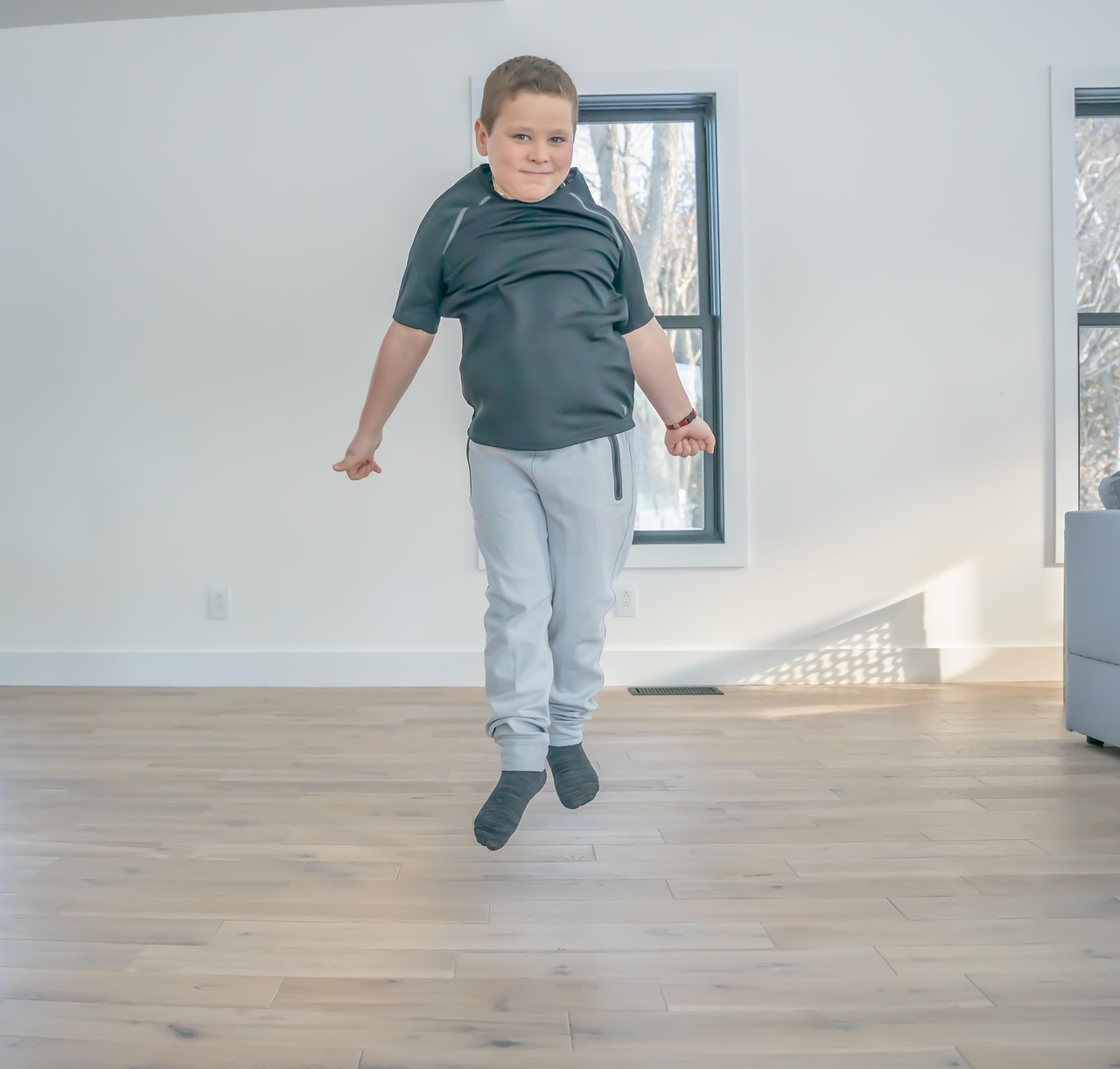

Myth: Kids Naturally Have Unlimited Energy for Exercise
Many believe that children possess an endless reservoir of energy when it comes to physical activities. This misconception can lead to misunderstandings about their fitness needs and capabilities. The truth is that while kids are naturally more energetic than adults, they do experience fatigue just like anyone else. Overexertion can lead to injuries or burnout in children, especially if they are engaged in high-intensity exercise. Understanding children’s energy limits is essential for their health and safety. It is crucial for parents and caregivers to monitor how long children are active and ensure they take adequate breaks. Young kids may not always know when to stop, so adult guidance is key. Educational approaches in schools and at home can emphasize the importance of balance in exercise. Implementing structured time for physical activity within a child’s schedule can enhance their overall well-being. Moreover, teaching children to listen to their bodies can empower them in maintaining a healthy lifestyle. Thus, dismissing the myth of unlimited energy is vital, paving the way for healthier habits throughout their lives.
Another aspect to consider regarding kids and energy is the importance of rest. Adequate sleep and recovery time are crucial for a child’s development and their ability to engage in exercise. Young athletes often push themselves because of the pressure to succeed or keep up with peers. This can lead to unhealthy practices, such as neglecting sleep or overtraining. Parents should create routines that prioritize rest along with play. By doing this, you allow your child to recover and recharge, making exercise enjoyable instead of a chore. Research suggests that children need varying amounts of sleep based on their age—generally between nine to 12 hours per night for optimal performance. Also, combining educational play with downtime can enhance energy regeneration. Encourage your child to participate in different activities, allowing them to explore their interests without the pressure that accompanies competition. Also, emphasizing the fun aspects of physical activity is essential; this helps them associate exercise with joy rather than obligation. Ultimately, structuring their fitness around enjoyable activities while allowing for rest will help cultivate a lifelong appreciation for movement and healthy practices.
Understanding Children’s Energy Levels
To accurately gauge a child’s energy, it’s essential to understand that children have different energy patterns throughout the day. Factors such as age, nutrition, and emotional well-being can significantly impact kids’ energy levels. Typically, young children are most energetic in the morning and early afternoon and may slow down as the day progresses. Nutritional intake also plays a vital role—foods rich in carbohydrates, proteins, and healthy fats can provide sustained energy. However, an excess of sugar can lead to temporary spikes followed by crashes, which can confuse parents regarding their child’s energy levels. Moreover, the emotional state, including excitement or anxiety, can affect how energetic a child feels. Therefore, creating a balanced routine, with healthy meals and designated times for exercise, can help manage these fluctuations. Encouraging physical activity during peak energy times can yield more fruitful results. Furthermore, incorporating a variety of activities allows children to explore and develop different skills, keeping them engaged while respecting their natural energy cycle. By doing so, children will be more likely to enjoy physical activities instead of viewing them as a tedious task.
Another key factor in understanding children’s energy relates to the role of social interaction during play. Engaging in physical activities alongside peers fosters an energized environment that can motivate children to partake more vigorously. Structured sports can be beneficial, as they often allow kids to socialize while exercising. However, this structure should be balanced with unstructured play, where children can express themselves freely and creatively. Encouraging group activities such as tag games, relay races, or cooperative games can lead to increased energy expenditure, making exercise feel less like work and more like fun. Additionally, peer influence can inspire children to try new activities or challenge themselves, which can help in their physical and emotional development. Nevertheless, it is essential to recognize when a child feels overwhelmed or fatigued in these social settings. Monitoring their emotional responses and adjusting activities accordingly contributes to a healthy relationship with fitness. Recognizing the social aspect can lead to lifelong friendships based on shared interests and a love for being active. Thus, understanding the social dynamic can provide valuable lessons in teamwork and sportsmanship.
Physical Conditioning for Kids
Incorporating effective physical conditioning in a child’s life is crucial to combat the myth that they have endless energy. Conditioning prepares their bodies to handle various physical demands, potentially leading to improved performance and reduced injury risk. Activities like swimming, biking, or even practicing yoga can enhance strength, flexibility, and coordination. These forms of exercise can allow for a more enjoyable experience while consciously improving their physical capabilities. Moreover, integrating small workouts before structured sports can enhance a child’s confidence when participating in team events. Regular conditioning helps reinforce the connection between exertion and progress rather than just focusing on competition. Children should be gradually introduced to different sporting techniques to help them build the right foundation. It’s essential to develop a routine that isn’t overly strenuous but creates a fun and supportive atmosphere. Parents and coaches should encourage kids to express their interests so that the workouts reflect their preferences. With gradual exposure, children learn to respect the importance of conditioning and enjoy physical activity as an integral part of their daily lives.
Breaks are another critical factor to consider in the context of kids’ exercise routines. Many parents overlook the necessity of providing structured periods for breaks during physical activities. Just like adults, children need time to rest and recover to maintain their overall energy and motivation levels. Frequent pauses in their activity not only allow for relaxation but can also prevent injuries. It’s crucial to encourage hydration and refueling during these breaks. Additionally, integrating fun activities during breaks, such as light stretches or quick games, can keep children engaged while still promoting recovery. This approach creates a holistic atmosphere that emphasizes overall well-being rather than sheer exertion alone. Another benefit of scheduled breaks is that children can engage in social discussions, building teamwork skills and friendships. When integrated into a workout routine, these pauses can elevate the enjoyment factor of the overall experience. Valuing breaks can help foster a healthier lifestyle where children understand the importance of listening to their bodies. Ultimately, teaching kids to appreciate their limits allows them to make informed choices regarding their exercise forever.
Final Thoughts on Energy Misconceptions
The misconception surrounding kids and their supposed unlimited energy may lead to unhealthy attitudes about fitness and exercise. While it’s true that children are generally more active, they still require guidance and education regarding their physical limits. The focus should not just be on keeping them active, but also on ensuring that they have fun and construct their relationship with fitness positively. Parents and educators can play a significant role in this by promoting engaging activities that respect children’s needs for rest and recovery. Instilling these values can cultivate a love for physical activity that persists into adulthood. Furthermore, the importance of listening to their bodies can empower children to recognize their limitations and respond appropriately. As kids learn to navigate these concepts, they grow adaptable and confident in their abilities. It’s vital to create environments where children feel empowered to communicate their feelings regarding exercise. Acknowledge their experiences and intervene where necessary to avoid burnout. In conclusion, debunking the myth of limitless energy among kids opens opportunities for healthier and enjoyable physical activities. This approach will shape their relationship with fitness and overall well-being.
Equipping children with the right knowledge about energy will ultimately benefit their lifestyles. Encourage an open dialogue about exercise, allowing kids to express their feelings and experiences surrounding physical activities. Engaging children in discussions on how to recognize when to rest and identifying signs of fatigue can be invaluable. Body awareness is something that will contribute positively to their mental and physical development. Furthermore, when kids understand the need for balance, they learn a healthy approach to exercise, avoid fostering unhealthy competition, and focus on improvement instead. Incorporating educational resources, such as books or videos that clarify the importance of rest and well-rounded fitness, can support this ambition. Parents and teachers alike should be consistent role models, demonstrating how to manage energy through their own behavior and lifestyle choices. Encouraging moderation and diversity in physical activities nurtures an overall sense of joy around exercise. Ultimately, positioning themselves as positive influences allows children to perceive their bodies and health as a priority. Together, these strategies will help children develop a sustainable, enjoyable outlook on fitness while successfully dispelling the myth of limitless energy.
‘}]} } } } } } } } } } } } } } } } } } } } } } } } } } } } } } } } } } } } } } } } } } } } } } } } } } } } } } } } } } } } } } } } } } } } } } } } } } } } } } } } } } } } } } } } } } } } } } } } } } } } } } } } } } } } } } } } } } } } } } } } } } }} } } } } } } } } } } } } } } } } } } } } } } } } } } } } } } } } } } } } } } } } } } } } } } } } } } } } } } } } } } } } } } } } } } } } } } } } } } } } } } }