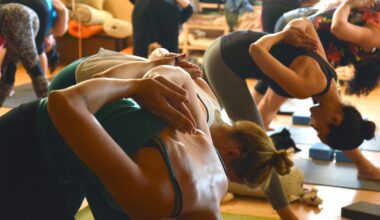

Preventing Future Injuries with Core Rehabilitation Workouts
Core rehabilitation workouts are essential for both injury recovery and injury prevention. By strengthening the core muscles, individuals can develop a more stable foundation, which is crucial for maintaining proper body mechanics. These workouts focus on enhancing balance, flexibility, and overall strength in the torso area. This can significantly reduce the risk of injuries related to physical activities, sports, and daily movements. Implementing a core training routine can help prevent low back pain and improve the functionality of other muscle groups. Incorporating various exercises that target all core muscles, including the abdominals, obliques, and lower back, creates a comprehensive approach to rehabilitation. Fitness enthusiasts and athletes alike can benefit from focusing on core stability during their training. Furthermore, guidance from professionals in physical therapy can customize workouts to address specific injury concerns and personal goals. Regular core training can enhance one’s performance in various sports and recreational activities by improving endurance and power output. Ultimately, a strong core supports better posture and enhances quality of movement, making it an essential aspect of any rehabilitation plan.
Understanding Core Muscles’ Role in Rehabilitation
The core muscles play a vital role in overall body function. They stabilize the spine and pelvis and ensure proper alignment during physical activities. A weak core can lead to compensatory patterns, increasing the risk of injuries in the spine and limbs. Understanding how core muscles contribute to body mechanics is essential for effective rehabilitation. Core muscles include several major groups, such as the rectus abdominis, transverse abdominis, internal and external obliques, and erector spinae. Together they form a muscular corset that supports the body’s movements, leading to a safer and more efficient physical experience. Exercises focused on these groups help to reinforce neuromuscular connections, which enhances coordination and balance. Additionally, injury-specific rehabilitation can identify weak areas and target them through tailored core workouts. Patients recovering from injuries often find that strong core muscles facilitate a quicker and more complete recovery. This approach emphasizes not only rehabilitation but also the enhancement of overall athletics performance. Consequently, the focus should be on building strength and stability to prevent future injuries while improving life quality throughout various physical activities.
One common misconception is that core training only involves traditional abdominal exercises. In reality, core training encompasses a variety of movements that require engagement from multiple muscle groups. For example, exercises such as planks, bridges, and stability ball workouts challenge the core while also engaging the arms and legs. Furthermore, incorporating resistance bands and weights can intensify these workouts, resulting in better strength development. It’s essential to maintain proper form during all exercises to maximize benefits and minimize injury risk. Proper form ensures that the intended muscle groups are targeted effectively. Integrating these foundational exercises into rehabilitation can build muscle strength and stability over time. The training should be designed to progressively challenge the core. This process aids in gradually increasing resistance and complexity as recovery advances. This gradual progression not only keeps the individual engaged but also contributes to lasting muscle adaptations that lead to overall physical enhancements. Individuals following this approach should focus on consistency and utilizing a well-structured routine. Furthermore, recorded progress can motivate ongoing engagement in core rehabilitation.
Incorporating Functional Movements
Functional movements play a significant role in core rehabilitation, as they replicate real-life physical actions. Exercises that mimic everyday activities help improve efficiency and reduce the risk of injuries when performing daily tasks. Incorporating these movements into core rehabilitation can yield functional benefits and improve muscle engagement. Examples include squatting, lunging, and rotational movements that engage core muscles while also activating other muscle groups. These exercises help create muscle synergy that is crucial for stability during complex movements in a variety of activities. Emphasizing functional movements maintains a focus on overall body mechanics rather than isolating muscles, which can lead to better outcomes. Additionally, integrating balance exercises such as single-leg stands can enhance proprioception and coordination. A strong emphasis on functional movement patterns can improve athletic performance and contribute to injury prevention. As individuals recover, they can transition from basic core exercises to more complex functional movements, which further improves their strength and balance. This approach aids in building confidence and ensuring a smooth return to physical activities while minimizing the risk for recurring injuries.
Tracking progress in core rehabilitation is vital for motivation and success. Regular assessments intertwining muscle strength, endurance, and flexibility measure improvement over time. Utilizing various tools, such as fitness apps or journals, can aid individuals in documenting their journey. Individuals can identify strengths and weaknesses through consistent measurement of performance attributes. This approach provides a tangible sense of accomplishment and focuses on recovery. Progress tracking encourages accountability, leading to sustained commitment to rehabilitation. Additionally, sharing progress with trainers or therapists allows for tailored adjustments to workouts. Experienced professionals can guide the adaptation of exercises based on progress, ensuring continued improvement. However, patience is key, as rehabilitation often takes time. Understanding your body and setting realistic goals can help maintain motivation throughout the rehabilitation process. Celebrating small milestones may provide essential encouragement for individuals facing longer-term recovery. Support from peers or communities engaged in similar journeys can foster motivation and motivation. In this sense, individuals are not alone, and shared experiences create a sense of belonging that can be vital during rehabilitation periods and bolster mental resilience.
Maintaining Core Strength Post-Rehabilitation
Once rehabilitation is complete, individuals must prioritize maintaining core strength and stability. A strong core is essential not just for preventing re-injuries but also for enhancing overall physical performance in various activities. Regularly scheduled workouts that continue to challenge the core are essential for sustaining gained strength. Incorporating a mix of conditioning, stability, and functional exercises will keep the core engaged. This can promote optimal physical health and performance longevity. Additionally, altering exercise routines periodically can prevent monotony and stimulate ongoing adaptations in muscle strength and coordination. Individuals can enhance not just core strength but also flexibility through continuous practice of core engagement techniques. Combining aerobic conditioning promotes heart health and allows one to maintain their stamina over longer durations of physical activity. Moreover, mindfulness during physical practices promotes body awareness, enabling individuals to notice and address any signs of weakness or strain promptly. Ultimately, a lifelong commitment to core stability through exercise prepares individuals for any future physical challenges they may encounter in their daily lives or perform in sports.
Embracing core rehabilitation workouts contributes significantly to overall fitness. Integrating these exercises into a daily routine reinforces the importance of a strong core while preventing future injuries. The multifaceted benefits of core strengthening—spanning improved posture, enhanced athletic performance, and injury prevention—underscore its essential position within personal wellness strategies. Outside of injury rehabilitation, fitness enthusiasts can observe marked improvements in their daily activities and sports performance through dedicated core training. As individuals practice core stability, they also cultivate heightened awareness of their bodies. One key component of wellness is acknowledging the importance of injury prevention alongside promoting robust physical activity. Ultimately, individuals who prioritize core workouts will reap the rewards—enhancing functionality while minimizing the likelihood of severe injuries. Additionally, staying informed on recent developments in fitness can guide individuals to develop innovative and exciting core workouts. Utilizing resources like books, workshops, and online platforms can provide fresh perspectives and techniques. Collaborating with fitness professionals can assist individuals further in achieving their core training goals, resulting in long-term success in maintaining strength, flexibility, and overall physical well-being.
In conclusion, the significance of core rehabilitation cannot be overstated. A strong foundation in core stability is integral to both preventing future injuries and enhancing athletic performance in various capacities. By focusing on core training principles and best practices, individuals can master their movements and thus improve their physical experiences. Continuous learning about core workouts and rehabilitation strategies will enable individuals to adapt their fitness journey based on their needs. As the understanding of core training deepens, embracing change and stimulating adaptive responses in muscle structures will not only lead to improved strength but also foster resilience against injuries. This perspective encourages individuals to take an active role in their well-being. Supporting educational resources and professional guidance can bring about sustainable physical outcomes while enabling timely adaptations to workout routines. As individuals incorporate core rehabilitation workouts into their lives, they engage in a dynamic process of growth and improvement. They can develop not only physical strength but also mental fortitude. This journey is continuous and transformative, highlighting the importance of a strong core in every aspect of life.