
Resistance Bands: Factors Affecting Resistance Levels
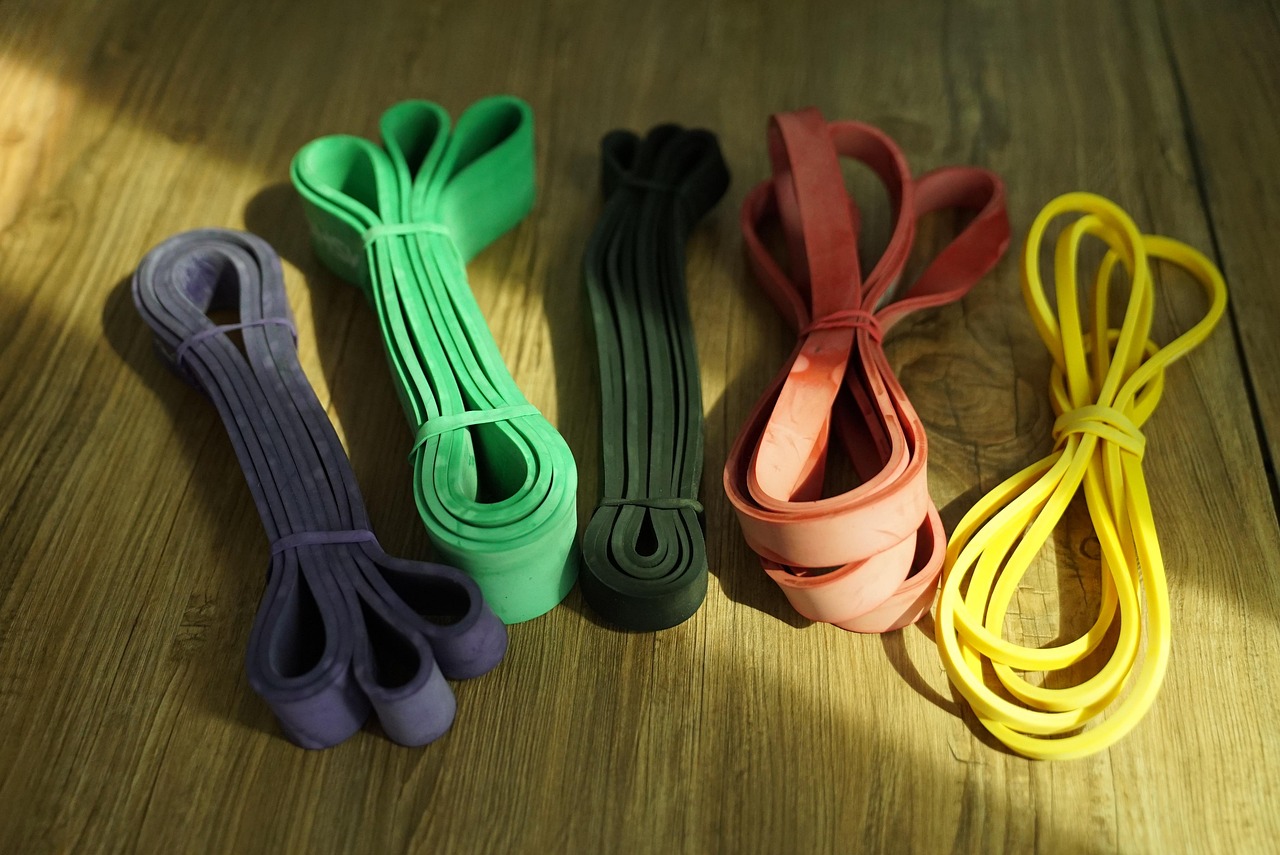
When considering resistance bands, the first factor to understand is the resistance level assigned to each band. These levels are generally color-coded, making it easier to identify the resistance strength. For instance, lighter colors typically signify lower resistance, ideal for beginners or rehabilitation. As users advance, they can switch to bands with higher resistance levels. The varying levels allow for a comprehensive workout regime that meets the individual’s strength requirements. Knowing which band to use is crucial in avoiding injuries while maximizing the effectiveness of your exercises. Properly matching your resistance band to your exercise routine can enhance muscle performance and ensure you’re engaging your muscles adequately. Many manufacturers provide a chart indicating which colors correspond to specific weight levels, further assisting users in making informed choices. Regularly rotating between band types is also recommended to challenge your muscles, leading to better strength gains.
Another important factor in resistance levels is the material of the bands themselves. Common materials include latex and rubber, each offering a different feel and longevity. Latex bands tend to provide a more uniform resistance throughout the movement, while rubber bands may have a different stretch dynamic. Factors like the thickness and width of the band also influence how much resistance is offered. Thicker bands provide more resistance and are often better suited for those with higher strength levels. Additionally, the durability of the material contributes to how well the band maintains its resistance over time. A well-made band will not only endure repeated use but will also not lose its elasticity. Regular inspections can ensure that your bands remain in good condition, providing a consistent experience during workouts. Understanding these material differences can aid users in choosing the right bands based on their workout styles and personal preferences.
Shape and Design of Resistant Bands
The overall shape and design of resistance bands play a significant role in determining their use. Some bands are flat and wide for specific exercises such as lateral walks, while others are tubular and designed for more dynamic movements. Understanding the functionality of these different shapes is essential. For instance, loop bands can engage more muscle groups during workouts due to their design, making them versatile. Tubular bands often come with handles, which provide added comfort during strength training. Users should select bands that not only fit their training goals but are also comfortable for their grip and movements. The handles can add to safety, helping to avoid slippage during various exercises. Additionally, some bands offer options with removable handles or additional attachments, allowing customization based on exercises. Users should assess their preferences to ensure a positive workout experience with their chosen resistance band design.
Another critical factor influencing resistance levels is the band length. A longer band typically stretches more, providing a different resistance experience compared to a shorter band. This characteristic means that users can achieve the desired resistance by adjusting how much band is being stretched or how much slack is available. Those who are taller or longer-limbed may prefer longer bands since they often provide more versatility in exercises. Conversely, shorter users may find shorter bands to create a more manageable resistance level. Also, many bands come with adjustable lengths, giving users more room for tailored resistance levels. Adapting the length can help target specific muscle groups, ensuring effective workouts. Regularly switching up band lengths can keep workouts fresh and challenging, pushing users out of their comfort zones. Length is a crucial element that can alter workout effectiveness while providing enjoyable training sessions.
Personal Fitness Level and Experience
Your personal fitness level directly impacts the type of resistance bands you should select. Beginners generally opt for lighter resistance bands to build foundational strength and learn proper technique. As beginners progress, they can gradually increase resistance levels, enhancing their muscle strength and confidence. Intermediate users tend to use mid-range resistance levels that challenge their capabilities while encouraging further development. Individuals with an advanced fitness level should consider heavy resistance bands that provide substantial challenges during workouts. Advanced users often benefit from layering bands together to increase the resistance even more. Understanding personal fitness goals is essential for choosing appropriate resistance bands. Furthermore, assess your comfort levels and familiarity with various exercises to ensure safe and effective workouts. Evaluating your experience and aligning band choices to your fitness journey can maximize your results.
Another aspect influencing resistance levels is how resistance bands should be utilized in your workout routine. Proper technique and form during exercises can significantly impact effectiveness and safety. Misusing bands may lead to improper engagement of muscle groups, hindering results and increasing the risk of injury. Researching different exercises that suit varying resistance bands will yield a more efficient workout. Additionally, pairing bands with other forms of resistance training, like weights or bodyweight exercises, can help create a balanced program. Utilizing bands in circuits or supersets can enhance cardiovascular benefits, contributing to overall fitness. Learning how to effectively incorporate resistance bands into diverse routines is essential for maximizing their benefits. Educating oneself on the various exercise techniques can greatly improve your workout experience. Experimentation with band resistance levels and exercises can help gauge your fitness capabilities and preferences. Regularly altering your routine prevents boredom and ensures continual improvement.
Safety and Maintenance of Resistance Bands
Lastly, safe handling and proper maintenance of resistance bands significantly influence their resistance longevity. Inspecting bands for tears or wear before and after every workout ensures they remain effective for your training. Additionally, avoiding overstretching bands will prevent early wear and tear. Users are encouraged to follow specific guidelines provided by manufacturers regarding usage limits. Understanding when to retire a band is critical to safety, as old bands can snap and lead to injury. Proper storage, such as keeping bands in a cool, dry place, extends their lifespan. Furthermore, users can wash their bands gently, removing any moisture that may impact durability. Keeping bands clean ensures that they maintain elasticity and function as intended. Properly maintained bands perform better, providing the necessary resistance during workouts while minimizing risks. Regularly reviewing and maintaining bands ensures successful training experiences and progress toward fitness goals.
When considering resistance bands, the first factor to understand is the resistance level assigned to each band. These levels are generally color-coded, making it easier to identify the resistance strength. For instance, lighter colors typically signify lower resistance, ideal for beginners or rehabilitation. As users advance, they can switch to bands with higher resistance levels. The varying levels allow for a comprehensive workout regime that meets the individual’s strength requirements. Knowing which band to use is crucial in avoiding injuries while maximizing the effectiveness of your exercises. Properly matching your resistance band to your exercise routine can enhance muscle performance and ensure you’re engaging your muscles adequately. Many manufacturers provide a chart indicating which colors correspond to specific weight levels, further assisting users in making informed choices. Regularly rotating between band types is also recommended to challenge your muscles, leading to better strength gains.