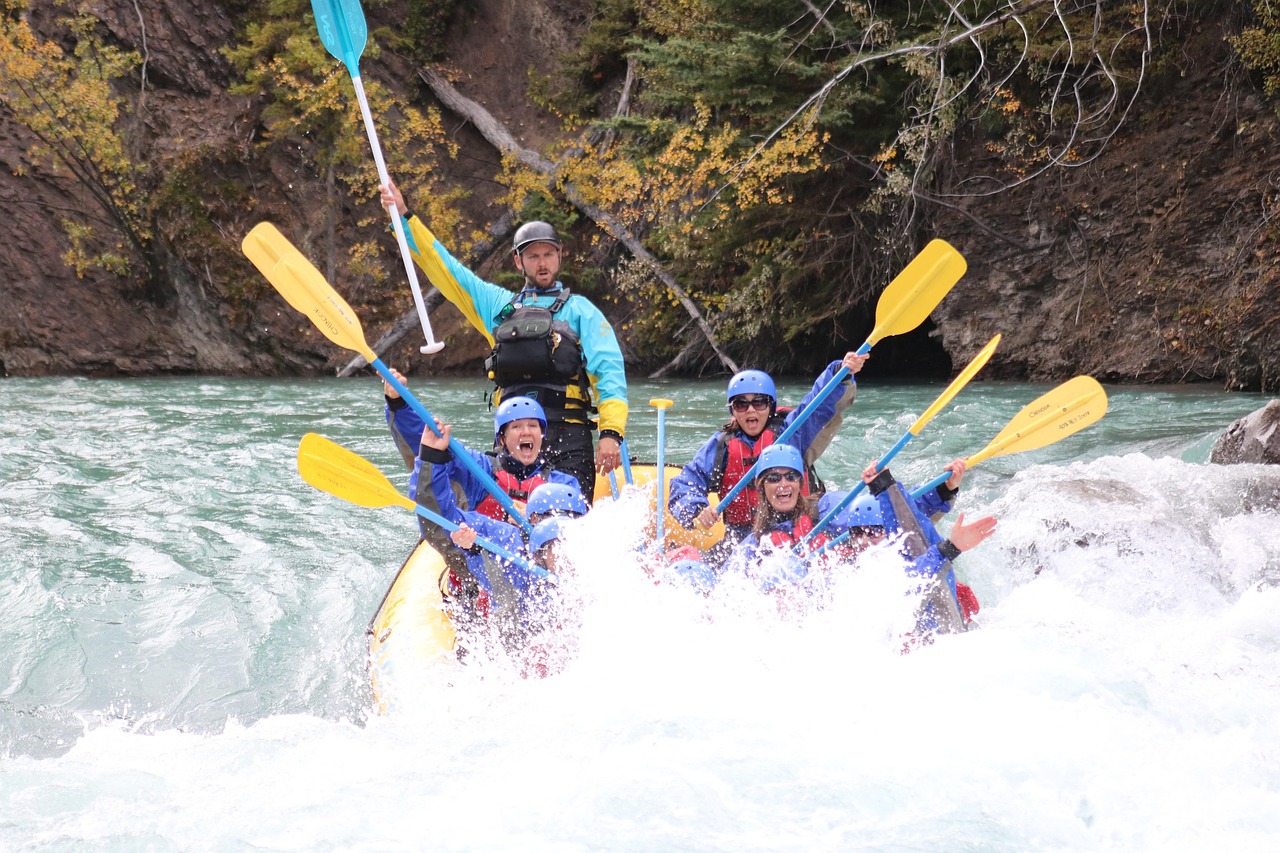

The History and Evolution of Whitewater Rafting
Whitewater rafting has a rich and adventurous history that dates back to ancient times. The earliest records of this thrilling water sport can be traced to indigenous tribes, who utilized rafts made from natural materials such as reeds and logs. These early river expeditions were not only for fishing or transportation but also for recreation. Over time, the craft of whitewater rafting evolved, particularly with the introduction of rubber and inflatable rafts in the 20th century. This innovation revolutionized the sport, making it more accessible to broader audiences who desired adventure on raging rivers. The post-World War II era ushered in significant advancements in materials and techniques for rafting. Rafts became lighter, safer, and more maneuverable. Enthusiasts began organizing commercial rafting trips, leading to the emergence of rafting as a recognized adventure sport. Key locations in the United States, such as the Grand Canyon and West Virginia’s Gauley River, became hotspots for thrill-seekers. Organizations and governing bodies formed around the sport to promote safety and regulation. Today, whitewater rafting continues to attract participants from all over the world, highlighting its enduring appeal and excitement.
The growth of whitewater rafting as an organized sport began in the late 1960s and early 1970s, largely influenced by the establishment of the American Whitewater Affiliation. This period marked a significant evolution in the sport’s popularity, leading to the creation of rafting competitions and events. Manufacturers began to produce specialized equipment designed for the sport, including paddles, life jackets, and enhanced safety gear. These innovations prompted more people to explore the potential of navigating river rapids. Rafting competitions emerged, blending skill, speed, and team dynamics, captivating participants and spectators alike. The first major competition, the U.S. National Whitewater Rafting Championship, took place in 1981, representing a milestone in the sport’s history. As the sport evolved, various styles of rafting emerged, such as slalom racing and downriver racing. This diversification provided enthusiasts with unity and camaraderie while pushing the limits of what is possible on the water. Social media also played a crucial role in promoting rafting adventures, allowing people to share their experiences with larger audiences. Today, rafting remains a cornerstone of outdoor recreation for families, friends, and explorers seeking a thrilling water challenge.
In addition to its recreational appeal, whitewater rafting also promotes environmental awareness and conservation. Many rafting organizations partner with environmental groups to uphold the integrity of river ecosystems and promote sustainable practices. Through these partnerships, rafting groups educate participants about the fragile nature of river habitats and the importance of preserving these natural resources. Conservation programs also facilitate river cleanup initiatives and habitat restoration projects along popular rafting routes. Participants engaged in this sport often develop a deeper connection with the rivers they navigate, fostering a sense of responsibility toward environmental stewardship. Rapids serve not just as a playground for adventure but as the lifeblood of ecosystems that support a diverse range of wildlife. Furthermore, educational programs introduced by rafting companies have positively influenced public awareness about water conservation and pollution prevention. Outdoor enthusiasts are encouraged to engage in practices that protect rivers for future generations. Whether kayaking a peaceful stretch or rowing through roaring rapids, it’s essential for all river adventurers to embrace practices that ensure rivers remain clean and thriving.
The Thrill of Adventure Racing
Modern whitewater rafting continues evolving with the introduction of high-adrenaline adventure racing. Adventure races combine multiple outdoor disciplines, including cycling, running, and, of course, rafting. These multi-sport events challenge participants to navigate rugged terrains and rapidly changing landscapes while relying on teamwork for success. Adventure racing provides unique experiences that attract outdoor enthusiasts and foster camaraderie among competitors. Rafting presents intense challenges such as turbulent currents, unexpectedly aggressive rapids, and the power of Mother Nature’s unpredictability. Competitions are held globally, with some events becoming legendary in the outdoor community, like the Eco Challenge. Participants often train rigorously, developing physical toughness and mental resilience. Adventure races require skills in navigation, endurance, and teamwork, bringing leaders and adventurers together in an exhilarating and demanding environment. This fusion of activities emphasizes not only survival instincts but also respectful mountain and river stewardship. Participants develop strong bonds forged through shared challenges, and many competitors cite adventure racing as life-changing experiences that foster long-lasting friendships. This evolution of whitewater rafting reflects broader trends in outdoor recreation, emphasizing both adventure and stewardship of nature.
While thrilling, whitewater rafting comes with inherent risks requiring careful safety measures. Proper planning and preparation play crucial roles in ensuring a successful rafting experience. Participants must be equipped with safety gear, such as helmets and personal flotation devices, that meet the highest safety standards. Additionally, skill and safety training is recommended to navigate rough water environments effectively. Professional guides often lead rafting trips, imparting essential knowledge of the waterway and facilitating more enjoyable experiences. Many commercial rafting companies offer workshops and classes aimed at various skill levels, from beginners looking to learn the basics to experienced rafters seeking advanced techniques. Education, awareness, and preparation are pivotal to mitigate potential accidents and ensure all paddlers experience the exhilarating thrill of negotiating rapids safely. Guidance from trained professionals can make the difference between a memorable trip and a dangerous situation. Weather conditions should also be considered, as they can significantly alter river characteristics overnight. Identifying potential risks allows participants to make informed decisions regarding their adventures, fostering a culture of safety within the whitewater rafting community.
The Accessibility of Rafting
Whitewater rafting is more accessible today than ever, driven by the booming ecotourism industry and the rise of experienced guides. Many local companies offer tailored experiences accommodating diverse desires, skills, and preferences, ensuring everyone can participate in this thrilling sport. Guided trips typically cater to families, groups of friends, or adventure seekers aiming for adrenaline-pumping experiences on breathtaking rivers. Additionally, specialized programs have emerged focusing on adaptive rafting opportunities for individuals with disabilities. These inclusive initiatives allow everyone to participate in the joy and challenge of rafting. Access to various rivers worldwide also encourages rafting communities to form around shared passions for water-based adventure. Manufacturing advancements create lightweight inflatable boats catering to different rafting needs while remaining cost-effective. As technology improves, innovations such as self-bailing boats have revolutionized the sport’s safety and performance aspects. Increased availability of equipment and resources has contributed significantly to whitewater rafting’s popularity. As commercial operators and outfitters continue to thrive, a broader audience can discover the unique thrill that whitewater rafting provides, creating lasting memories and challenging experiences for adventurers of all ages.
The future of whitewater rafting appears bright, with growing enthusiasm for outdoor sports and environmental stewardship. As more people engage with nature, the market for guided rafting tours and lessons continues expanding. Innovations in gear design and safety measures will likely follow suit, leading to further advancements in the sport. Efforts to advocate for river protection and sustainable practices will also gain traction among participants and organizations. New technologies, such as virtual reality, have been integrated into training programs, providing aspiring rafters with immersive learning experiences. The fusion of technology and outdoor adventure fosters exciting possibilities for experiencing whitewater rafting. Additionally, the sport may evolve further with the rise of competitive leagues and formalized events, giving enthusiasts new challenges. The supportive raft racing community encourages participants to strive for precision and teamwork in their efforts. The commitment to environmental awareness will help protect rivers and ecosystems, ensuring the sustainability of this sport for future generations. As whitewater rafting captures the imaginations of thrill-seekers young and old, it remains a timeless and exhilarating adventure that will solidify its place in outdoor recreation history.
In conclusion, whitewater rafting has uniquely evolved from its humble beginnings to become a thrilling and widely revered sport. Its deep-rooted history, environmental awareness initiatives, and the evolving safety measures position it as a staple in outdoor adventure. The rise of adventure racing and increased access for diverse populations have further solidified whitewater rafting’s status. As individuals continue to navigate the excitement of rivers around the world, they embrace not only the thrill of the ride but also the responsibility of maintaining the natural beauty surrounding them. With a commitment to conservation and education, rafting communities build lasting relationships and memories while caring for our planet’s precious waterways. The exhilarating rush of conquering whitewater represents not just a personal achievement but a harmonious blend of adventure, teamwork, and a shared passion for nature. The sport’s future seems bright, with innovations continually enhancing participant experiences while safeguarding river environments. These dynamic elements create a community eager to share their love for whitewater rafting with anyone willing to take the plunge and discover the wonders of our rivers. Adventure awaits every participant as they embark on their rafting journeys, highlighting the importance of nature, teamwork, and shared experiences.