
The Role of Bike Maintenance in Preventing Mechanical Injuries
Cycling can be an enjoyable and efficient mode of transportation, but safety is paramount. Regular bike maintenance can prevent mechanical injuries and ensure a smooth ride. Riders should perform routine checks on brakes, gears, and tires. Maintaining tire pressure is essential for optimal performance. Under-inflated tires can lead to blowouts, while over-inflated tires may result in reduced grip. Keeping brakes in good condition is equally important, as brake failure can cause severe accidents. Gears should shift smoothly to prevent jerking or skidding, which could lead to crashes. Lubricating the chain regularly will not only enhance performance but also prolong the lifespan of the components. Moreover, inspecting the bike frame for any damage can avoid disastrous failures while riding. Regular bike maintenance requires commitment but pays off in terms of safety and performance. As cycling enthusiasts, we often overlook these simple tasks, but they are crucial. Stay informed and educate fellow riders on the importance of bike maintenance to cultivate a safer cycling culture. Maintaining mechanical integrity should be a top priority for every cyclist, whether commuting, racing, or enjoying leisurely rides.
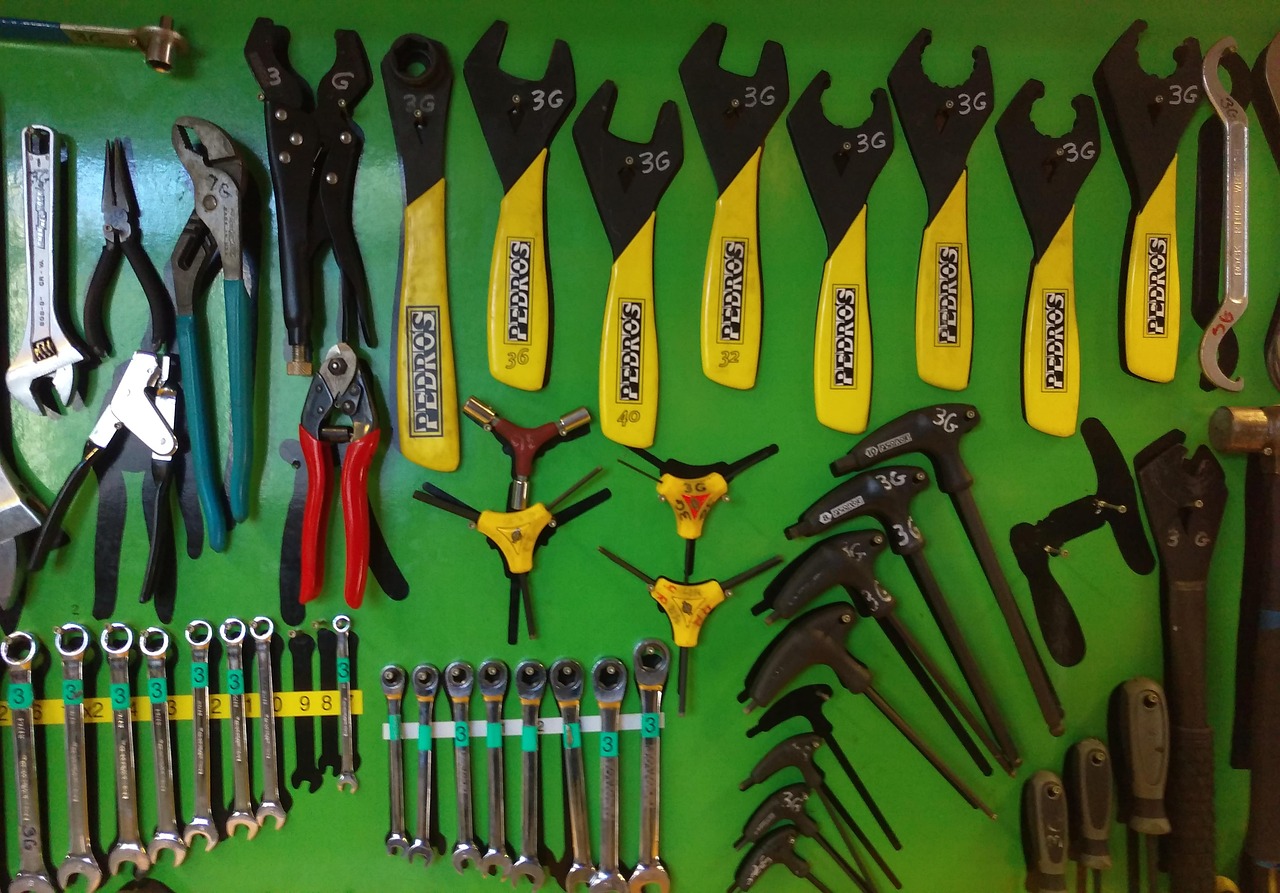
Understanding how bike maintenance impacts mechanical safety can drastically change your cycling experience. Regular inspections of brake cables, brake pads, and lever responses are essential components of bike maintenance. Wahing the bike frequently can prevent dirt accumulation, which aids wear of crucial components. Inspecting handlebars, seat post bolts, and quick release mechanisms at the start of every ride helps ensure they are secure. Keeping the bike clean not only enhances its appearance but also helps in the maintenance process. Regularly check for rust on metal components and resolve any issues promptly. Timely replacement of worn-out parts can prevent accidents related to mechanical failures. Additionally, possessing basic tools for maintenance can empower cyclists to perform essential repairs. Observing seasonal adjustments, such as gear tuning before winter and tire changes before summer, can lead to improved performance as well. Choose durable components that suit your riding style, as it can enhance safety over time. Joining a local cycling group can provide support and shared knowledge about effective maintenance practices among fellow riders, creating a community that prioritizes safety.
The Importance of Identifying Wear and Tear
Understanding wear and tear can significantly enhance the effectiveness of bike maintenance. Cyclists must familiarize themselves with signs of wear on tires and brakes in order to prevent accidents. Check tire treads for adequate grip and replace tires showing signs of fatigue, such as cracks or bald spots. Brake pads should be replaced as necessary to ensure optimal stopping power. Inspect the cables of brakes and shifters for fraying, which can compromise control. Regularly cleaning and maintaining these systems will facilitate smoother operation. Additionally, it’s wise to regularly clean the drivetrain, including the chain and cogset, as this can reduce wear and extend component lifespan. Listen for unusual noises while riding; they can be indicators of underlying issues. Develop a habit of recording your maintenance checks and repairs to track patterns over time. Prompt attention to small problems can save time and money in the long run. Prioritizing the safety aspects of your bike through regular evaluations helps prevent mechanical injuries and enhances overall cycling enjoyment.
Incorporating professional bike maintenance services can also impact mechanical injury prevention. Utilizing experts who specialize in bike mechanics can quickly identify potential issues that may go unnoticed during personal inspections. Make it a routine to schedule professional tune-ups at least once a year, regardless of usage frequency. This preventive measure can save cyclists from dangerous situations due to unforeseen mechanical defects. Service shops often offer full-range services, which can include everything from alignment adjustments to complete overhauls. Specialized mechanics have the experience to spot issues based on subtle indicators that might escape an untrained eye. Proper adjustments made by professionals can ensure optimal performance, stability, and safety during rides. Additionally, some bike shops offer workshops focusing on maintenance education for cyclists. Learning the intricacies of bike mechanics through hands-on experience builds confidence among riders. Understanding the bike’s components creates better awareness of how to maintain them effectively. For cycling safety, professional insights are invaluable in reducing the chances of accidents stemming from mechanical failures while riding.
Creating a Maintenance Schedule
Establishing a consistent bike maintenance schedule is critical for every cyclist committed to safety. Organizing regular intervals for maintenance checks ensures nothing is overlooked. Take time to create a detailed calendar for your bike’s needs, considering factors like usage frequency and riding conditions. After every ride, a simple check can include evaluating tire pressure, brake response, and chain lubrication. More extensive inspections should follow weekly, ensuring that larger components receive timely attention. Diving deep into a thorough monthly assessment may involve checking the frame for structural integrity, among many other aspects. Regularly updating chain lubricant and monitoring gear shifts can improve the overall cycling experience. For those who ride in diverse weather, note specific periods for thorough cleaning to prevent rust and damage from dirt accumulation. Document your findings in a planner for easy reference, helping track when components need servicing, replacements, or professional assessments. The simplicity of scheduling allows you to build proactive practices into your riding routine rather than waiting for issues to arise.
Educating fellow cyclists about mechanical injury prevention through bike maintenance fosters a culture of safety in cycling communities. Many amateurs may not realize how crucial maintenance is for reducing injuries. Each rider has a role to play in promoting awareness. Organize workshops focusing on essential skills regarding maintenance practices. Conduct group rides where discussions on bike safety and maintenance can be held. This helps build relationships while prioritizing bike care. Sharing helpful resources, like guides and video tutorials, can assist comrades in understanding basic bike upkeep. Digital platforms offer great possibilities to connect cycles with knowledgeable mechanics for questions or advice. Websites and forums may host conversations about typical mechanical issues faced by fellow cyclists, which could be enlightening. Encourage experienced cyclists to mentor those new to the sport, equipping them with necessary knowledge and skills. Building a supportive community focused on bike maintenance cultivates improved safety and performance among cyclists. Fostering awareness can make the difference between an enjoyable ride and a dangerous situation caused by preventable mechanical failures.
Conclusion: Prioritizing Bike Maintenance
Ultimately, prioritizing bike maintenance is crucial for enjoying a safe cycling experience while biking. Regular checks and awareness of mechanical components not only prevent injuries but enhance the performance of the bicycle. As enthusiasts, embracing bike maintenance can result in more enjoyable rides devoid of unnecessary risks. Cyclists must educate themselves about effective practices and seek community support for ongoing learning. Understanding how everything works in conjunction cultivates a deeper appreciation for cycling while emphasizing safety. By following a consistent maintenance schedule, performing inspections regularly, and seeking professional advice when needed, riders can confidently tackle various terrains and conditions. It increases both reliability and the longevity of the bike, contributing to a more sustainable approach to cycling. Furthermore, fostering relationships and sharing knowledge with fellow cyclists enriches the experience. Incorporating preventative measures ensures safe journeys and ultimately contributes to a positive cycling environment. A well-maintained bike is an essential element for any cyclist, allowing confidence and freedom on the road.