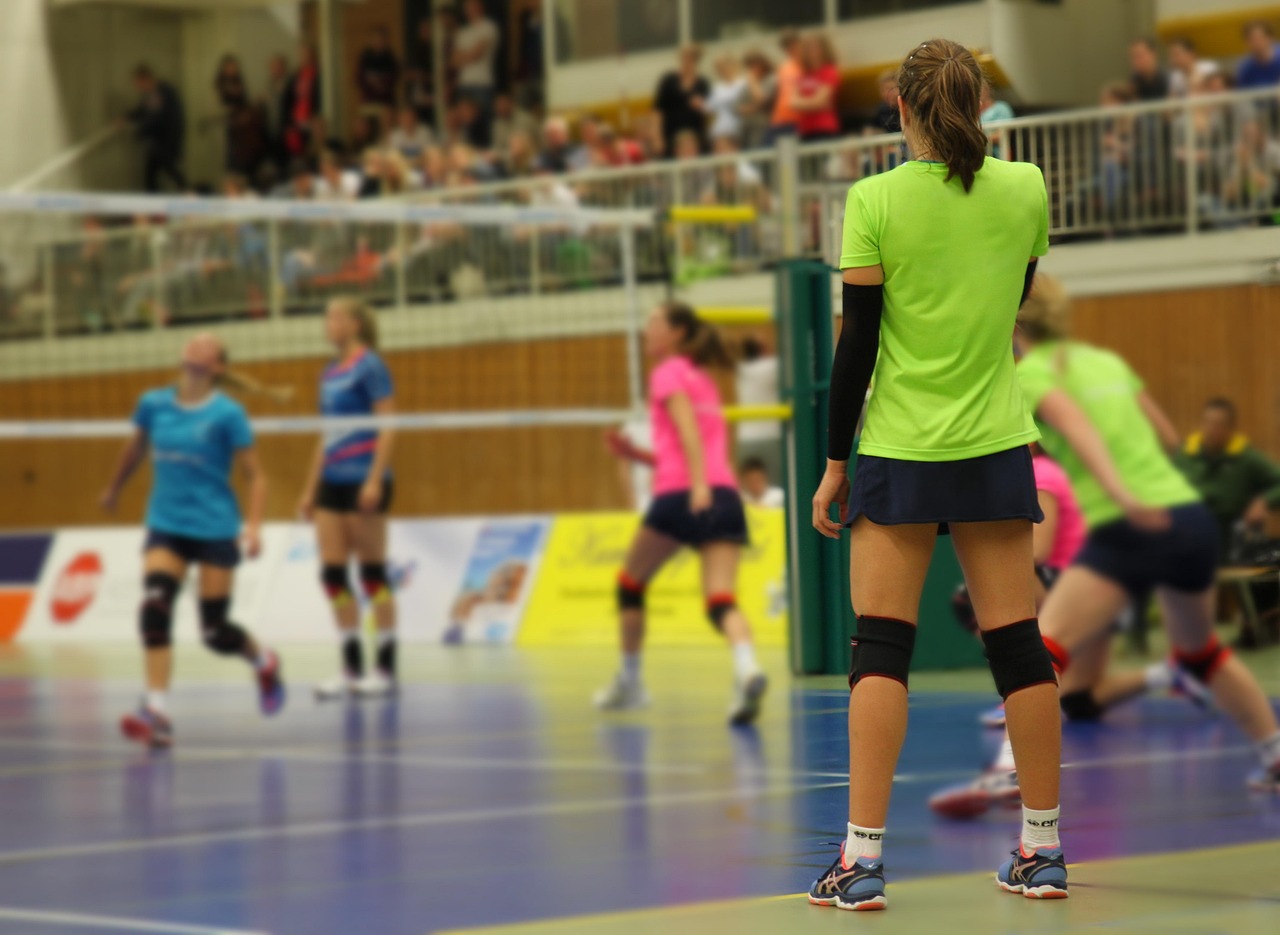

Understanding the Basics of Indoor Volleyball Coaching
Coaching indoor volleyball teams requires a solid understanding of the fundamentals of the game. This includes mastering various techniques such as serving, passing, hitting, and blocking effectively. Coaches must ensure each player is aware of their roles and responsibilities on the court. Communication between players and coaches is crucial, as it fosters teamwork and understanding during matches. A successful coach develops individual player skills while focusing on team dynamics. Incorporating drills that emphasize essential skills is vital to building confidence among players. Besides physical skills, coaches also need to focus on mental preparation, teaching players to stay focused under pressure. Introducing strategies to manage game situations enhances decision-making skills. Coaches should encourage a strong work ethic and push players to practice both individually and as a team. Leveraging technology for video analysis can help players visualize their performance and make necessary adjustments. Ultimately, a coach’s passion for the game and commitment to the players will elevate the overall performance of the indoor volleyball team. Remember, player progress might be gradual, but consistent effort will lead to significant improvement over time.
Effective Communication Strategies
To create a successful coaching environment, effective communication among team members is vital. Coaches need to establish a communication channel with players to address concerns, feedback, and strategies. Regular meetings can align goals and expectations, ensuring every individual knows their roles. Active listening is essential; coaches should demonstrate empathy, validating players’ feelings and concerns. Utilizing group discussions and brainstorming sessions can encourage players to express their thoughts. Team-building exercises enhance camaraderie and trust, fostering open communication channels. In matches, clear verbal and non-verbal cues play a significant role in quick and effective decision-making. Coaches should also provide constructive criticism, highlighting areas for improvement while celebrating achievements. To maintain morale, recognition and praise must be frequent, motivating players to continuously strive for excellence. Implementing consistent training routines assists in cultivating a shared understanding of strategies and plays. Keeping a positive attitude and promoting teamwork will enhance player confidence and performance. Ultimately, investing time in communication builds stronger relationships and ensures each player feels involved, contributing actively towards achieving team success in indoor volleyball competitions.
Developing Effective Training Regimes
Crafting effective training regimes involves careful planning and adaptability, tailored to each player’s needs. A well-structured plan accounts for the players’ varying skill levels and fitness, ensuring balanced development across the entire team. Training should include a mix of technical drills, fitness exercises, and tactical sessions. Technical drills focusing on skill enhancement should occupy a significant portion of training time, teaching players proper techniques for serving, spiking, or defending. Physical conditioning is equally important and should encompass strength, agility, and endurance training tailored for volleyball. Tactical sessions should simulate game situations, helping players understand positioning and decision-making. Incorporating small-sided games can add competitive elements, enhancing player engagement while reinforcing learned skills. Coaches should also consider organizing scrimmages to practice in a real-game environment, allowing players to apply their skills and strategies. Flexibility within training plans is key; adapting based on player feedback and performance ensures continual growth. Regular assessments and progress checks encourage accountability among players, motivating them to strive for their best. Adjusting strategies as the season progresses allows coaches to ensure improvement and achieve long-term success.
A positive team culture fosters growth and development among players, making it a priority for any successful coach. Emphasizing values such as teamwork, respect, and perseverance can significantly influence the players’ attitudes and performance. Establishing clear expectations regarding behavior and effort helps create a supportive environment for all team members. Encouragement to respect opposing teams, referees, and coaches cultivates sportsmanship. Creating opportunities for social interactions promotes unity and trust within the team. Incorporating team-building activities can help strengthen these relationships, making players feel valued and integral to the group. Regularly promoting open discussions can assist in addressing issues promptly and constructively. Additionally, celebrating achievements, whether at practice or competitions, boosts morale and motivation. Effective goal-setting, both individually and collectively, can align players’ efforts and aspirations. Injecting fun into practices, while maintaining a focus on improvement, keeps players engaged throughout the season. Ultimately, a positive team culture can lead to enhanced performance on the court, and coaches must be proactive in nurturing this essential aspect of indoor volleyball training.
Implementing game-day strategies can significantly impact performance outcomes during competitions. Preparation before matches involves thorough review sessions, where teams discuss tactics and potential opponents. Coaches should educate players on adapting strategies based on the opponent’s strengths and weaknesses, fostering critical thinking. Developing a flexible game plan ensures readiness for various scenarios, from aggressive serves to defensive formations. Encouraging players to visualize successful plays can enhance confidence and reduce anxiety. Consistency in routines, such as warm-ups and team huddles, creates a sense of familiarity and readiness among players. Emphasizing the importance of communication during matches aids in quick responses to changing game dynamics. Coaches must remain calm and provide real-time feedback, guiding players through challenges on the court. Analyzing performances post-game is crucial, creating opportunities for constructive reflections and adjustments in strategies. Players will appreciate personalized feedback and suggestions to enhance future performances. Overall, a well-thought-out game-day strategy, focusing on preparation and adaptability, can significantly improve indoor volleyball team outcomes in competitive settings.
Parent and community involvement in indoor volleyball programs can foster a supportive environment. Encouraging parents to participate actively enhances team morale and fosters bonds between players, supporters, and families. Organizing fundraisers and community events generates enthusiasm and promotes team visibility. Coaches should communicate regularly with parents regarding team progress and individual player development, maintaining transparency. Providing opportunities for parents to volunteer at events contributes to community involvement while establishing connections beyond the court. Familiarizing parents with the structure of practices and matches empowers them to support their children effectively. Offering educational sessions about the rules of volleyball allows parents to engage positively during games. Highlighting the benefits of participating in indoor volleyball, such as teamwork and perseverance, can inspire families to invest time and resources into the program. Building strong relationships with the community also opens doors for sponsorships and resources for the team. Ultimately, fostering a collective effort can lead to a more enriching experience for players and their families, creating lasting memories through the sport of volleyball.
In conclusion, coaching indoor volleyball teams successfully involves a blend of skill development, communication, and teamwork. Coaches must focus on creating a positive environment for their players, allowing them to learn and grow through structured practices. Encouraging commitment and discipline within the team will translate into improved performance during matches. Coaches should regularly assess their training methods, ensuring they are meeting the players’ evolving needs. Establishing friendly rivalries with other teams can promote motivation and enhance the competitive spirit among players. The journey of understanding and mastering indoor volleyball is a collaborative effort that necessitates patience and perseverance. By fostering a love for the sport and a dedication to improvement, coaches can inspire their players to reach their full potential both individually and as a cohesive team. Ultimately, the success of any volleyball program lies in the collective effort of coaches, players, and their community. As the sport continues to evolve, so must the strategies employed by coaches to ensure their teams thrive in competitive environments. The right approach can create successful experiences that will last throughout the players’ volleyball journeys and beyond.
).