
Using Mobility Flow Sequences to Enhance Warm-Up Routines
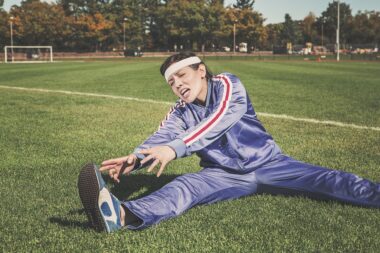
In today’s fitness environment, effective warm-up routines are crucial for enhancing performance and minimizing injury risk. Mobility flow sequences have emerged as a popular technique to improve flexibility and promote overall body awareness. These sequences typically consist of dynamic movements that target multiple joints and muscle groups simultaneously. By incorporating mobility flows, athletes can improve their range of motion and prepare both their body and mind for rigorous physical activities. This is essential for everyone, from amateur fitness enthusiasts to advanced athletes participating in competitions. Moreover, dynamic stretching, as part of the warm-up, not only improves elasticity but also fulfills neuromuscular demands. Athletes should consider implementing mobility activities like hip openers, thoracic rotations, and lunging patterns into their routines. Therefore, creating a versatile and effective warm-up routine becomes paramount. Beyond injury prevention, enhancing flexibility helps athletes achieve better posture and balance, which are crucial in many sports. Thus, understanding and practicing these mobility sequences are integral to overall fitness and performance improvement. As we explore various progression techniques, we will discuss how the systematic implementation of these sequences can contribute vastly to athletic success.
The effectiveness of mobility flow sequences can be partly attributed to their adaptability. These sequences are not one-size-fits-all; they can be tailored to meet individual needs and abilities. When designing a mobility flow, it’s vital to consider factors like specific sports performance requirements, personal flexibility issues, and pre-existing injuries. For instance, athletes involved in disciplines requiring extensive shoulder mobility should focus on shoulder-centric flows while incorporating total body movements. Additionally, monitoring the intensity and duration of each flow is crucial to prevent overexertion. Athletes must learn to listen to their bodies and adjust the exercises accordingly. Specific drills may involve movement patterns like the sun salutation or a series of cat-cow stretches, ensuring all muscle groups engage effectively. Advanced athletes can even work on combined movement articulations, promoting greater joint stabilization and strength. In essence, customizing mobility flow sequences enhances their efficacy, ensuring athletes achieve optimal performance during competitions. The journey towards flexibility should foster empowerment and awareness in one’s body, allowing individuals to explore their physical potential and push boundaries. In the next steps, we will unveil certain key mobility exercises to incorporate seamlessly into warm-up routines.
Key Mobility Exercises for Enhanced Flexibility
Some essential mobility exercises can significantly influence flexibility and preparation for any athletic endeavor. These exercises often focus on creating dynamic, fluid movements targeting multiple joints. Commonly recommended exercises include the following: 1) **Hip Circles** – Great for releasing tension in the hips and helping improve overall leg mobility. 2) **Cobra Pose** – Effective for enhancing spinal flexibility and warm-up for upper body movements. 3) **Torso Twists** – Increases thoracic spine mobility, crucial for upper body strength disciplines. 4) **Lateral Lunges** – Beneficial for groin flexibility and lower body stability. Incorporating these movements allows athletes to engage key areas that require flexibility and power during peak performance activities. The inclusion of **dynamic stretches** also aids in warming up the muscles while simultaneously improving coordination. Furthermore, the importance of gradual progression cannot be overstated. Athletes should not rush through these exercises, as each sequence needs to be precise for maximum benefits. Listening to the body and adjusting accordingly ensures athletes do not experience undue stress. By focusing on these primary movements, anyone can enhance their warm-up routines and optimize their physical conditioning.
Incorporating mobility flows into warm-up routines offers numerous benefits beyond flexibility. The most prominent advantage is enhanced muscle activation. Proper condition warm-ups stimulate critical muscle groups, leading to optimal strength and peak performance. As athletes transition from static to dynamic movements, they engage not only their muscles but also their nervous system, leading to better body awareness and coordination. Furthermore, many mobility flows are holistic, targeting multiple aspects of fitness concurrently. This integration helps athletes develop both proprioception and kinesthetic awareness, allowing them to move with greater fluidity. Improved movement patterns often translate into superior performance during competitions, regardless of the discipline involved. The potential of mobility flows is magnified when they become automatic and fluid, allowing for a seamless transition into high-performance modes. Additionally, employing these flows can assist in reducing anxiety and preparing one’s mental state for competition. By invoking a sense of ritual, athletes engage their minds alongside their bodies. Thus, mobility flows create a synchronous approach to performance enhancement that physically prepares and emotionally grounds the athlete. Overall, these sequences contribute to maximizing the effectiveness of warm-up processes.
Importance of Consistency in Practice
To genuinely reap the benefits of mobility flow sequences, consistency in practice is paramount. Athletes must commit to incorporating these sequences into their daily routines to experience long-term flexibility improvements. This commitment aids in creating neuromuscular adaptations, leading to noticeable advancements in range of movement over time. Establishing a dedicated practice schedule helps athletes maintain focus and integrate mobility practices effectively. Regular engagement encourages the development of muscle memory that thrives on consistency and repetition. Activities like early-morning mobility sessions or post-workout flows enhance the likelihood of continual engagement. Furthermore, integrating mobility routines into both warm-up and cool-down phases fosters a holistic approach to flexibility and recovery. This dual-purpose not only emphasizes improvement but also allows for sustained longevity in athletic performance. Those who prioritize mobility practices enjoy benefits such as quicker recovery times, reduced soreness, and enhanced overall well-being. Creating an environment that promotes these practices will ensure athletes remain motivated and accountable. This developmental approach yields impressive returns over time, leading to an ultimate synergy of physical prowess and well-being in any athletic pursuit.
Sharing knowledge about mobility flow sequences further enhances one’s understanding and encourages wider practice within athletic communities. Athletes, coaches, and trainers should actively participate in workshops, training sessions, or even digital platforms to disseminate their experiences and provide guidance. This sharing empowers others to embrace flexibility work and promote an environment of growth and learning. Additionally, creating community challenges or group sessions can broaden the reach of mobility practice, making it accessible and enjoyable for more individuals. These group settings foster camaraderie while underscoring the importance of mobility as a standard practice in fitness. Furthermore, introducing mobility awareness through educational sessions aids in increasing overall athlete engagement. Simple discussions about how mobility affects personal performance, injury prevention, and recovery can be mind-opening. Thus, athletes and coaches should leverage platforms like social media to share tips and showcase effective flow sequences. Increased dialogue around mobility practices will ensure a collective approach to enhancing agility and reducing injuries. Ultimately, when athletes and coaches educate themselves and their peers, they foster an inclusive atmosphere promoting healthier and more effective warm-up routines.
Conclusion: Integrate Mobility Flows for Optimal Performance
The integration of mobility flow sequences into warm-up routines is essential for optimizing athletic performance. As we have explored, enhancing flexibility contributes directly to strength, stability, and coordination while reducing the likelihood of injuries. For trainers and athletes alike, understanding and practicing these mobility sequences fosters well-rounded physical preparedness for various activities. By customizing routines, properly executing drills, and maintaining consistency, anyone can reap the extensive benefits of mobility work. Furthermore, the collective sharing of mobility practices encourages broader acceptance and adoption in different athletic communities. This widespread incorporation facilitates a cultural shift towards prioritizing mobility as a crucial aspect of any successful training program. As athletes and fitness lovers stand to gain greatly from this synergy of flexibility and performance, the call to action is clear: embrace mobility flow sequences as the pathway to a more dynamic, injury-free fitness experience. Ultimately, those who value and continuously integrate these practices within their routines can enjoy refined performance, responsive movement, and longevity in their respective sports. The pursuit of flexibility through mobility flows becomes a journey, contributing to a higher quality of life, enabling individuals to achieve their full athletic potential.