
Combining Functional Training with Cardiovascular Conditioning
Functional training is designed to enhance performance in real-life activities by engaging multiple muscle groups. This form of training improves strength, stability, and motor control. Integrating cardiovascular conditioning with functional training allows for a more comprehensive workout. Cardio drills, when performed alongside functional movements, can elevate the heart rate, increasing overall endurance. This synergistic approach creates a balanced regimen, targeting flexibility, and strength while conditioning the cardiovascular system. Functional exercises, such as kettlebell swings or squat jumps, when combined with cardio elements, such as sprinting intervals or jump rope, lead to improved aerobic capacity. Effective programming should include various phases focused on strength, core stabilization, and cardiovascular fitness. Additionally, understanding individual fitness levels is crucial when designing these programs for effective training outcomes. Ultimately, not only do you get stronger, but it also enhances stamina and resilience against fatigue. This dual focus enables more functional movement patterns in daily activities. Including proper warm-up and cool-down routines is just as essential. Aim for a holistic approach to training, ensuring balance and injury prevention throughout your workouts.
To effectively combine functional training with cardiovascular conditioning, consider periodization in your programming. This approach tailors the intensity and volume of workouts over specific time frames. For instance, alternating days focusing on strength and cardio can yield better results than mixing them within the same session. During strength-focused days, incorporate compound movements such as deadlifts and power cleans, which hone in on multiple muscle groups, and combine them with shorter bursts of cardio. Similarly, dedication to cardio days, utilizing high-intensity interval training (HIIT), can significantly aid in improving cardiovascular health and endurance. HIIT has been shown to enhance metabolic rates post-exercise effectively. Another effective method is circuit training, cycling through functional exercises and cardio drills with minimal rest. This keeps the heart rate elevated and promotes cardiovascular and muscular endurance. It also provides a more time-efficient workout option. Remember to include rest days to allow for muscle recovery, especially when mixing training styles. Adequate rest is crucial in preventing overtraining and enhancing performance improvements. Hydration and nutrient intake will further optimize training adaptations, ensuring you’re prepared for demanding workout sessions.
Implementing Functional Cardio Workouts
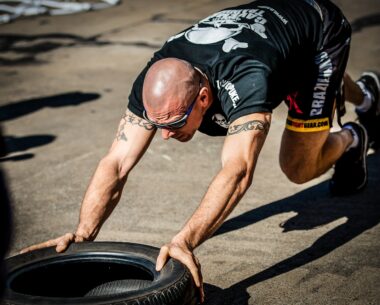
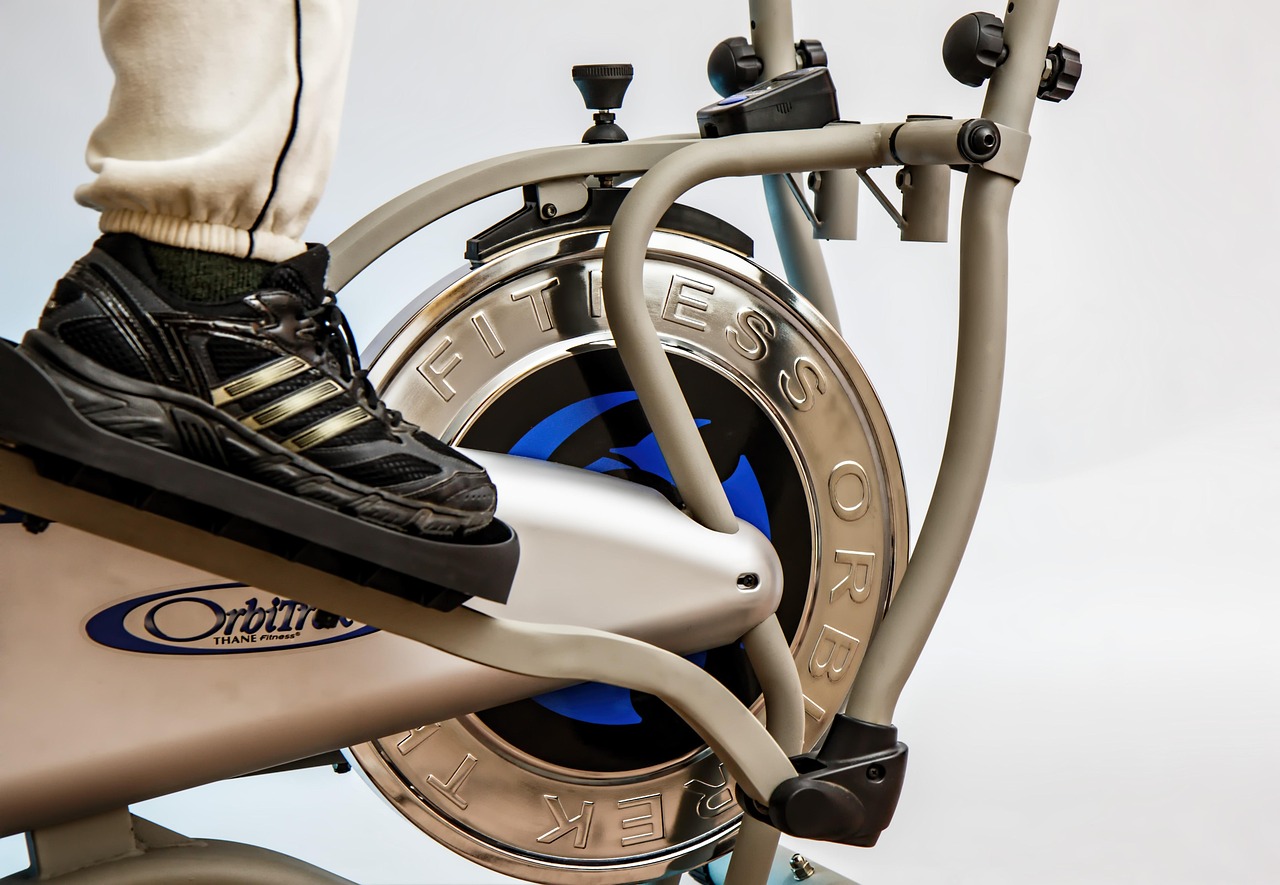
When implementing functional cardio workouts, be creative and dynamic in your approach. Activities like rowing or biking can fit well into functional fitness routines. Also, exercises such as battle ropes, plate pushes, or plyometric drills add a cardiovascular component while engaging multiple muscle groups. These movements are generally more functional than traditional steady-state cardio and can also improve agility and mobility. To maximize effectiveness, consider varying the duration and intensity of your cardio sessions. Use short, intense bouts interspersed with recovery periods to maintain the quality of your functional movements. This strategy promotes cardiovascular efficiency and muscular adaptation. Additionally, incorporating stability challenges, like performing lunges while holding a medicine ball, adds complexity, enhancing balance and coordination while keeping the heart rate high. It may be beneficial to include partner drills or team challenges, as they not only boost motivation but can also make workouts more enjoyable. Lastly, be sure to set measurable goals. Tracking progress, whether through improved performance in specific exercises or measuring heart rate recovery, helps maintain motivation and ensures the effectiveness of your functional conditioning strategy.
Moreover, monitoring nutrition is fundamental when blending functional training with cardiovascular conditioning. Fueling your body adequately before and after workouts can provide the necessary energy levels for performance. A balanced diet featuring whole foods, rich in protein and healthy carbohydrates, plays a crucial role in recovery and muscle repair. Consider pre-workout snacks like bananas or oats, which can boost energy, and post-workout meals that include lean proteins and vegetables. Hydration practices also significantly impact workout quality, so aim for proper water intake before, during, and after exercising. Educating yourself on the appropriate nutrients before intense functional sessions or cardiovascular workouts is vital since this can influence endurance. Additionally, listen to your body as you combine these training styles. Recognizing signs of fatigue helps in adjusting workout intensity and volume. This proactive approach maintains a consistent training schedule while minimizing burnout. Moreover, reflect on your progress regularly; understanding your development fosters resilience and commitment. Celebrate small victories in your functional training and cardio journey, keeping motivation levels high and pushing toward more ambitious fitness goals.
Benefits of Combined Training
The benefits of combining functional training with cardiovascular conditioning extend far beyond improved fitness levels. This hybrid approach enhances overall athletic performance and reduces the risk of injuries. By engaging various muscle groups and movements, practitioners develop better coordination, strength, and flexibility, which directly translate to improved functional capabilities in daily life. Furthermore, incorporating cardio into functional routines targets aerobic fitness while conditioning muscles. Regular participation in such training helps manage body weight and can significantly improve cardiovascular health metrics. Studies indicate that those who participate in regular functional and cardiovascular training report higher levels of energy and improved mood due to the endorphin release associated with exercise. Increased endurance allows for more prolonged physical activity without excessive fatigue, enhancing performance in recreational sports. Beyond the physiological benefits, this combination also sharpens mental discipline and focus. As individuals work through tailored workouts that challenge their capabilities, they build resilience and self-esteem. Set a consistent schedule, balance training diversity, and embrace the journey toward improved physical and mental function through this comprehensive training method.
Incorporating variability in functional training and cardiovascular conditioning is essential for sustained progress. By continuously challenging the body, adaptations can remain effective over time. Changing exercises, duration, intensity, and recovery times keeps routines dynamic and engaging, preventing workout monotony. Experiment with new modalities such as swimming, climbing, or team sports to challenge yourself further while enjoying fitness. Finding a community, whether through group classes or training partners, enhances motivation and accountability. Engaging with others can encourage healthy competition and camaraderie, leading to enjoyable workouts. Seasonal changes can also provide new opportunities for varying training during warmer months. Take advantage of outdoor training sessions to enhance functional training and cardio drills. Cardiorespiratory conditioning can harness the invigorating effect of fresh air, contributing to overall well-being. Incorporate elements from nature, such as running on trails or doing exercises in parks. Paying attention to cardiovascular health is crucial as part of functional training, especially with aging athletes. Creatively designing these workouts cultivates adaptability and encourages spontaneity in training toward a healthier lifestyle while achieving functional fitness goals.
Conclusion: Your Path to Enhanced Fitness
In conclusion, effectively combining functional training with cardiovascular conditioning empowers individuals to achieve maximum fitness potential. This holistic approach allows you to reap the benefits of strength, flexibility, and aerobic endurance. Diverse workouts promote mental engagement and reduce monotony, making the training experience enjoyable and sustainable. As you embrace unique functional exercises and cardiovascular drills, you enhance overall performance while minimizing the risk of injury. Monitoring progress, focusing on recovery, and keeping an open mind toward new training variations will ensure continued improvement. Staying committed to your fitness journey is essential, as the results will manifest over time. Make a plan that includes specific goals, focusing on proper nutrition and self-care to elevate fitness levels. Celebrate milestones attained along the way, reinforcing dedication and perseverance to maintain enthusiasm. Continue to educate yourself on new trends and methodologies in functional training and cardiovascular conditioning. It is essential to adapt your routines and programming to meet evolving personal objectives. Ultimately, you will foster a lifestyle where functional fitness and cardiovascular health coexist, empowering your pursuit of optimal wellness.