Common Posture Errors During Kettlebell Exercises
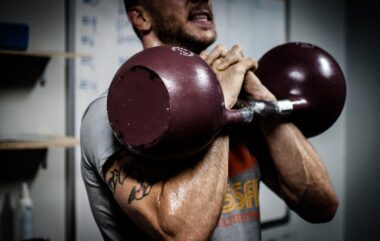
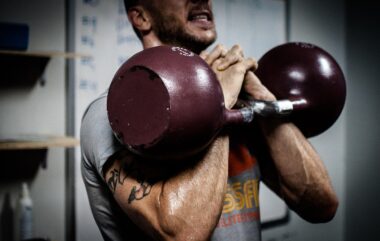
Kettlebell training is an effective way to improve strength, endurance, and flexibility. However, many practitioners make common errors in posture that may lead to injuries. The first common mistake is rounding the back while lifting the kettlebell. This issue is particularly prevalent during exercises like the swing or deadlift. Rounding puts undue stress on the spine, leading to potential injury in the lower back. Remember to maintain a neutral spine throughout the exercise. Instead of rounding, focus on pushing the chest forward while engaging the core. Additionally, many athletes overlook their grip. Using too wide or too narrow a grip on the kettlebell can greatly affect your performance. A proper grip should align with your body and natural range of motion to ensure precise and safe movements. As kettlebells require wrist dexterity, using an incorrect grip can lead to strain and discomfort. Furthermore, engaging the wrong muscles during kettlebell motions can hinder progress. It is important to concentrate on activation through correct muscle engagement throughout each rep to maximize efficiency and impact.
The second posture error includes allowing the knees to cave inward during movements like squats or lunges. It’s crucial to maintain alignment of the knees over the toes, as this helps protect against knee injuries. This alignment ensures that weight is distributed evenly without placing excessive pressure on the joints. Athletes should consciously push their knees outward during the downward motion. This adjustment will help in developing stronger hip muscles over time, facilitating better performance in kettlebell training. Another mistake frequently observed is not adequately hinging at the hips. Hinging rather than squatting is essential for exercises like the kettlebell swing. Proper hip hinge allows for better force generation from the posterior chain muscles. To practice this, focus on driving your hips backward and keeping a slight bend in the knees as you shift your body weight. Moreover, neglecting to engage the core can sabotage your efforts. A strong core stabilizes your entire body during kettlebell exercises. Ensure you are bracing your core just before lifting to create a solid foundation and enhance your overall strength.
Maintaining Proper Form
Another crucial posture error is failing to follow through with the arms during a lift, which can hinder the exercise’s effectiveness. It is common for beginners to simply drop the kettlebell instead of actively controlling its descent. Active engagement of the arms while lowering the kettlebell is essential to maintain balance and stability throughout the movement. This practice aids in preventing strain on the shoulders and arms. Additionally, many find it difficult to keep their shoulders relaxed during kettlebell exercises. Tensing the shoulders can disrupt proper movement patterns, leading to fatigue and discomfort. A relaxed shoulder position is crucial during kettlebell lifts to enhance range and performance. Moreover, improper breathing techniques can significantly affect kettlebell performance. Athletes often hold their breath during lifts, which can lead to early fatigue. Incorporating breathing into your workouts helps maintain oxygen flow. Inhale before initiating the movement and exhale at the peak of the lift to optimize physical output. Lastly, failing to warm up and cool down properly can lead to injuries, making these steps vital to any kettlebell routine.
Another significant posture error involves improper alignment of the kettlebell during various exercises. Maintaining the kettlebell in the correct position is critical for both safety and effectiveness. For instance, during the overhead press, it is vital that the kettlebell remains above the shoulder. Deviating too far forward or backward can disrupt balance and lead to injury. Focus on keeping the kettlebell positioned directly above your wrist while engaging your core for support. Additionally, many participants perform kettlebell workouts without appropriate footwear. Wearing shoes that do not provide sufficient support can lead to improper form while lifting. Opt for athletic shoes with a wide base, which helps to provide added stability during dynamic movements. Furthermore, many kettlebell users fail to adjust their workout routine based on their personal fitness level. Regardless of experience, taking the time to modify the program based on individual capability is essential. Start with lighter kettlebells and more basic movements before progressing to complex routines and heavier weights. This cautious approach can help prevent injuries while facilitating a more effective training regimen.
Injury Prevention Tips
Another common mistake is performing kettlebell exercises without paying attention to their body’s limits. Ignoring fatigue can lead to compromised form and increased risk of injuries. Always listen to your body, taking breaks when necessary to recover. Moreover, avoid sacrificing form for heavier weights. Lifting too much, too soon is a surefire method for sustaining injuries. Focus on proper technique and progress gradually, increasing weight only as your form remains impeccable. Incorrectly timed kettlebell swings can also lead to severe consequences. Timing is everything in kettlebell training; proper rhythm should be established through controlled breathing and steady movements. Lastly, incorrect adjustments in body position throughout the exercise can cause acute injuries. To make progress, constantly reevaluate and adjust your body alignment as needed. Engaging a knowledgeable trainer can assist in identifying your individual weaknesses, enabling further improvement in technique. Consequently, investing in a few training sessions or workshops can provide invaluable insight into effective kettlebell performance, improving overall form. Applying all these corrections diligently can help enhance your experience, minimizing injuries and improving your results.
Ultimately, dedication to correcting these common kettlebell mistakes contributes significantly to a more rewarding workout experience. Committing to proper form ensures that you are getting the maximum benefits from kettlebell exercises while minimizing the risk of injury. Additionally, incorporating regular assessments of your progress can offer valuable insights into your development, allowing you to make necessary adjustments along the way. Self-assessment encourages mindfulness during workouts and reinforces good habits. Engaging fitness communities or participating in guided classes can also provide support and encouragement towards maintaining correct posture. Fellow enthusiasts can share their experiences and tips, contributing to a more enriching exercise environment. Remember that kettlebell training is an excellent way to achieve your fitness goals, but prioritizing proper techniques is crucial for success. Embrace the process and don’t be discouraged by mistakes. Understanding common errors aids in improvement and mastery of the kettlebell. As you continue your fitness journey, always strive for knowledge and practice to ensure a safe and effective kettlebell training experience. Over time, these adjustments will lead to noticeable improvements in both strength and endurance, enhancing overall performance.
Conclusion
In conclusion, avoiding posture errors during kettlebell training is essential for long-term success and injury prevention. Be mindful of common mistakes such as rounding the back, allowing knees to cave, and neglecting to engage the core. Additionally, remember to maintain proper kettlebell alignment and body awareness during exercises. Breath control and proper footwear greatly affect your overall performance and safety. It is crucial to gradually increase weights while prioritizing form over load. By listening to your body and adjusting your technique, you can enhance your kettlebell experience and achieve greater results. Seeking guidance from knowledgeable trainers or attending workshops can also greatly improve your understanding of proper technique. As a part of cultivating a successful kettlebell practice, continually assess your routine and incorporate feedback from trusted peers and professionals. This proactive approach will ensure you remain committed to improving your skills. Through diligence and attention to detail, your kettlebell workouts can lead to greater strength, endurance, and overall well-being.
When you apply these practices, your kettlebell training can be an enjoyable and effective path to achieving your fitness goals. Always prioritize your safety by being aware of your body’s limits and focusing on proper technique. Invest in your health by consistently maintaining good habits and addressing any issues that arise during training. This dedication to form will ultimately benefit your performance and lead to a more fulfilling kettlebell training journey.