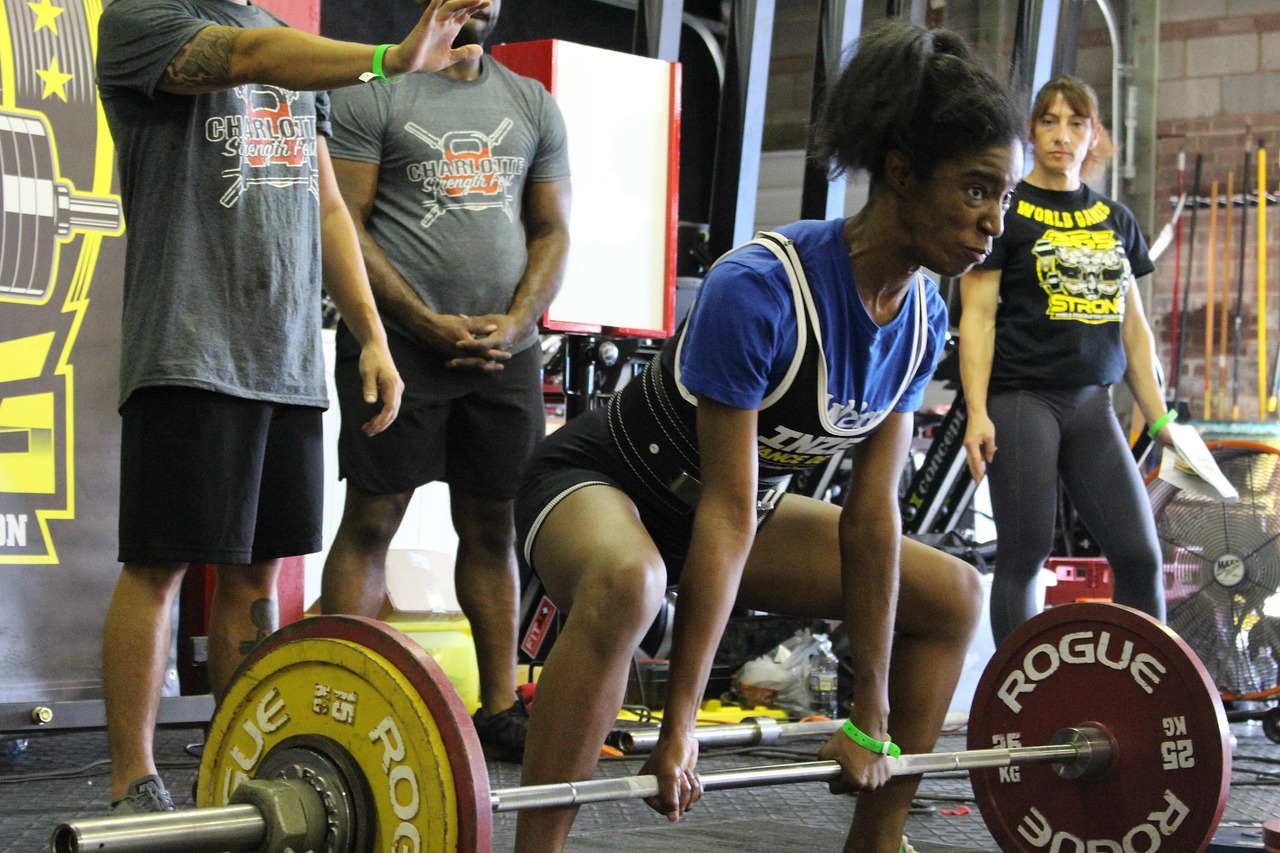

Myth: Fitness Competitions Are Dangerous
One of the most common misconceptions surrounding fitness competitions is that they are inherently dangerous. While it is true that any physical activity carries risks, proper preparation, training, and adherence to guidelines can significantly reduce these risks. Competitors often fear that they will sustain injuries during training and events. However, injuries can be minimized by following a well-structured program that includes strength training, conditioning, and adequate recovery periods. Joining organized competitions provides a supportive environment, with coaches and professionals focused on health and safety. Furthermore, many competitors are experienced athletes who take precautions seriously, including monitoring their nutrition and hydration. Being informed and prepared is essential to avoiding potential hazards associated with competitions. Many athletes also have medical consultations before participating, which can help alleviate safety concerns. This preparation and the increasing availability of safety resources have helped shift the focus from danger to achievement in fitness competitions. Engaging in these contests encourages individuals to pursue their fitness goals while fostering a sense of community and support that is both enriching and powerful. Ultimately, fitness competitions promote a culture of well-being rather than danger.
Another reason people believe fitness competitions are dangerous is the portrayal of intense diets and extreme training regimens. While some competitors do adopt rigorous approaches, not all competitors engage in unhealthy practices. Many successful competitors prioritize a balanced lifestyle, blending healthy eating with strategic training. It’s essential to understand that extreme methods are not necessary for everyone. An informed approach to nutrition is encouraged, focusing on whole foods, proper macronutrient ratios, and hydration. Consulting with a dietitian can help in planning meals that sustain energy levels without resorting to harmful eating habits. A balanced diet contributes to better performance and promotes overall health, reducing the perceived risks. Additionally, athletes learn to listen to their bodies, enabling them to adapt their strategies as needed without overexertion. With the correct guidance and education, competitors can achieve their goals without compromising their health. Education about nutrition and fitness preparation is critical in reshaping perspectives on competitions. By focusing on health and well-being, athletes demonstrate that participation in fitness competitions can be rewarding and empowering, allowing them to succeed while embracing healthier lifestyles.
When people think about fitness competitions being dangerous, they often overlook the substantial mental benefits associated with participation. Competing can significantly enhance mental health and resilience. Facing challenges in a competitive environment promotes personal growth, boosts self-esteem, and fosters a sense of achievement. Competitors often report feelings of satisfaction and pride in their accomplishments, contributing to a more positive self-image. Through the structured nature of fitness competitions, athletes develop discipline, motivation, and time management skills, which are beneficial both personally and professionally. Support from peers and coaches within these competitions creates an encouraging atmosphere among participants. This supportive culture can help competitors combat nervousness and anxiety, which are common concerns in high-stress situations. Thus, the social and psychological benefits often outweigh the perceived dangers. Focused training routines and events help competitors build a positive mindset surrounding fitness and exercise. By emphasizing mental health and community support, fitness competitions prove to be empowering experiences. In essence, the positive reinforcement gained through competition can create a more health-focused individual in the long term, benefiting society as a whole.
Risks and Precautions in Competitions
Nevertheless, it is crucial to recognize that risks do exist. However, competitors can significantly mitigate these risks through awareness and smart choices. One potential danger is overtraining, which characterized by fatigue, decreased performance, and potential injury. To combat overtraining, participants should adhere to a well-designed training plan that incorporates rest periods. Regular assessments by a coach or trainer can help competitors stay on track and prevent burnout. Furthermore, being conscious of body signals related to fatigue and stress can help mitigate injuries. Respecting these signals is essential for maintaining long-term health and performance. Hydration is another critical aspect; dehydration can lead to serious complications during competitions. Competitors must prioritize hydration before, during, and after competitions. Safety measures, such as medical personnel on-site during events, also provide an added layer of protection. Organizers often ensure these personnel are present to deal with any emergencies quickly. Additionally, competitors should know their fitness levels and capabilities before entering a competition, ensuring they choose appropriate events aligned with their skills. By taking proactive measures, participants can enjoy the benefits of competitions while minimizing risks.
Moreover, another concern often highlighted in discussions about fitness competition dangers relates to the pressure to perform. Many competitors can experience anxiety regarding their physique and performance. This pressure may lead to unhealthy behaviors, such as disordered eating or substance abuse, especially in pursuit of unrealistic standards. However, fostering a healthy competition culture can combat these unhealthy tendencies. Coaches and organizations have become increasingly aware of the need for mental health resources, providing support to competitors facing such pressures. Open communication about body image, nutrition, and mental wellness has become a focal point for many fitness organizations. Workshops and seminars have emerged to educate athletes on healthy body image perceptions and self-acceptance. Furthermore, embracing diversity in body types within competitions can help foster a sense of acceptance. Competitors can thus understand that there are many standards of beauty and strength, which can reduce feelings of inadequacy. Building a culture focused on inclusivity rather than solely aesthetics helps promote genuine enjoyment of fitness activities. By prioritizing mental health, the danger myth surrounding fitness competitions can be effectively dispelled.
Additionally, embracing technology can support participants in their fitness competition journeys, enhancing communication and safety. Apps designed for training programs can help athletes track their progress, analyze performance, and set realistic goals aligned with their capabilities. These tools allow competitors to remain accountable while providing feedback and support from coaches. Additionally, social media platforms allow participants to share their experiences, creating communities that encourage positive interactions and motivation. Connecting with like-minded individuals fosters an environment of support, acceptance, and understanding, alleviating stresses often associated with competing. Moreover, fitness trackers can monitor various health metrics during training, ensuring that competitors stay within their optimal limits. By utilizing these technological resources, athletes can make informed decisions relating to their training and health, ultimately enhancing their overall safety while competing. Therefore, rather than viewing competitions as inherently dangerous, participants can see them as opportunities for personal growth and achievement. Through community support, technology, and education, fitness competitions can be transformed into positive experiences that align with health objectives.
Conclusion: Competition and Safety
In conclusion, while some concerns regarding safety in fitness competitions are valid, the risks can be managed through proper education, preparation, and support. Many competitors possess a strong commitment to safety, prioritizing their well-being in their training and preparations. Initiating conversations around healthy practices in fitness is essential for changing misconceptions and fostering a healthier perspective of competitions. Creating supportive environments among coaches and competitors benefits both physical and mental health, promoting overall wellness. Furthermore, through increased awareness of safe practices, athletes can focus on their performance without being burdened by fear of injury. Education about nutrition, mental health resources, and community support plays a crucial role in redefining the myth surrounding danger. Fitness competitions can serve as platforms for motivation, connection, personal achievement, and well-being. Ultimately, it is vital to embrace these events positively, as they highlight the remarkable capabilities of individuals committed to improving themselves. When approached with caution and informed perspectives, fitness competitions can provide profoundly rewarding experiences rather than being seen as dangerous endeavors.