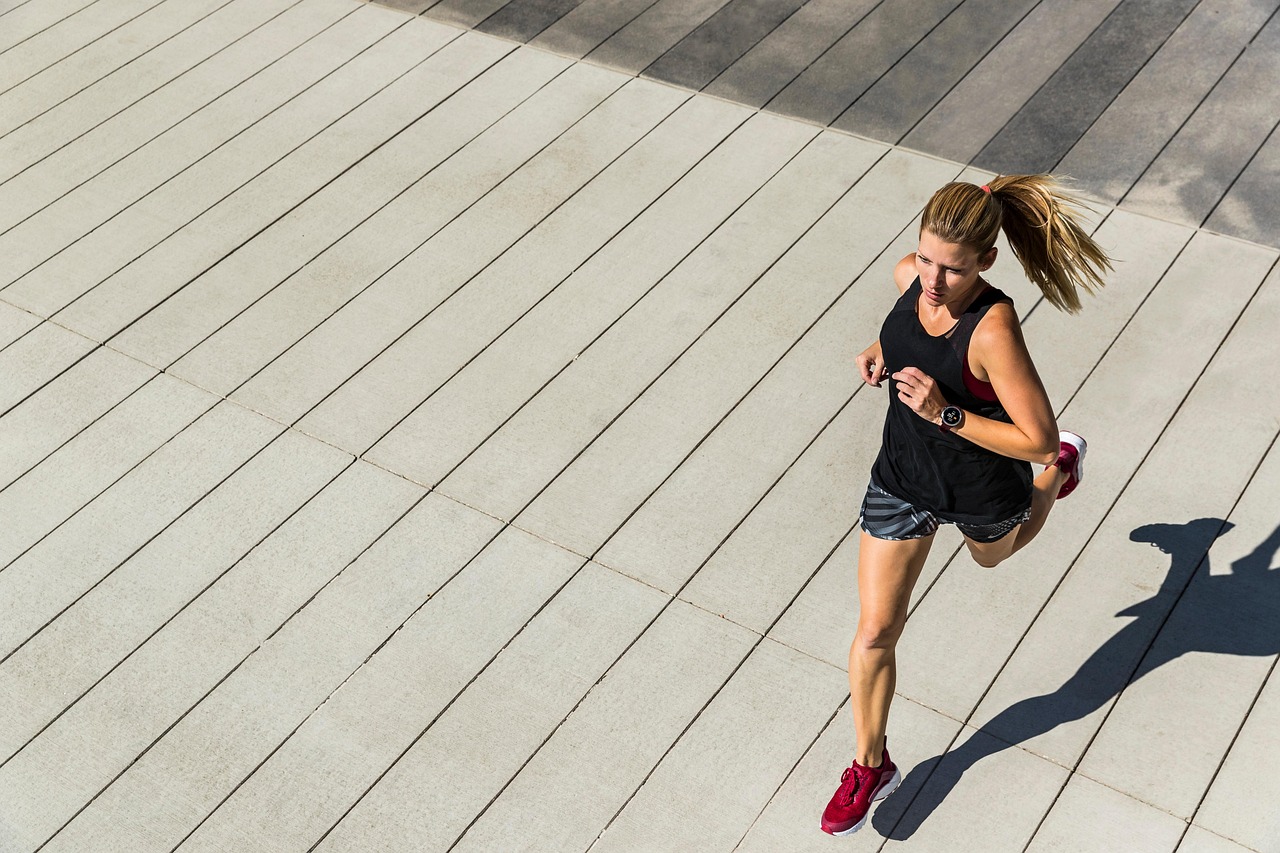

Pilates for Injury Prevention in Runners
Pilates is a fantastic exercise regime that emphasizes flexibility, strength, and balance. This exercise method is particularly beneficial to runners due to its core strength focus. A strong core stabilizes the pelvis, ensuring proper running posture, which can reduce the risk of injuries commonly experienced in this sport. Runners often suffer from injuries related to muscle imbalances, overuse, and poor mechanics. By incorporating Pilates into their routines, runners can help correct these imbalances, leading to improved efficiency and performance. Moreover, Pilates enhances body awareness, enabling runners to better understand their movements and any potential areas of strain. Ultimately, practicing Pilates can cultivate a runner’s resilience, allowing for longer training sessions and more effective recovery. This holistic approach can address multiple aspects of physical health, offering a more comprehensive strategy for injury prevention. In addition, engaging in cross-training activities like Pilates helps to vary the workouts, which further aids in preventing monotony and overuse injuries. Overall, the integration of Pilates into a runner’s training schedule fosters not only physical but also mental strength, paving the way for sustained success in running endeavors.
Another key aspect of Pilates for runners is its emphasis on alignment and posture. Proper alignment is crucial for preventing injury while running. Runners often overlook the importance of maintaining a straight line from head to toe. When misalignments occur, the risk of strain increases, particularly in the knees, hips, and lower back. Pilates exercises focus on realigning the body through controlled movements, promoting an upright posture that translates well into running form. This not only makes running more efficient but also minimizes wear and tear on joints. Furthermore, many Pilates exercises develop flexibility in the hip flexors and hamstrings, areas often tight in runners. Improved flexibility aids in reducing the risk of muscle strains, thereby enhancing a runner’s overall performance. Regularly practicing Pilates can instill good body mechanics while running, better equipping runners with the tools they need to perform optimally. Additionally, deep breathing techniques used in Pilates help in improving lung capacity and oxygen intake, important for endurance running. By committing to Pilates, runners invest in their longevity and health, ensuring they can enjoy the sport for many years to come.
Understanding Core Strength in Runners
The core is often described as the body’s powerhouse. For runners, core strength is essential, as it supports and stabilizes the entire body during movement. A solid core allows runners to maintain good posture, balance, and speed, reducing fatigue over long distances. By incorporating Pilates, runners can strengthen their core through exercises designed specifically for this purpose. Unlike traditional workouts, Pilates targets deep abdominal muscles frequently neglected in conventional training regimes. This focus on the core not only enhances running posture but also improves overall body control. Enhanced core strength leads to a better performance and lowers injury risks, as the body can handle the rigors of running. Moreover, a strong core positively impacts the runner’s ability to absorb shock, reducing impact strain on joints and muscles. By adding Pilates to their training, runners reap the benefits of increased muscle endurance and power. Additionally, Pilates benefits beginners and experienced runners alike. It lays down a foundation of strength and stability, enabling athletes to push their limits confidently. Strengthening the core not only helps in running but can also lead to improved fitness in various sports and daily activities.
Injury prevention extends beyond mere strength; it involves understanding movement patterns throughout the body. Pilates does an excellent job of addressing compensatory movements that may arise during running. When one muscle group is weak or tight, others often compensate, potentially leading to injury. Through focused Pilates sessions, runners can identify these unhelpful patterns and correct them. For instance, many runners unknowingly rely too heavily on their quadriceps, causing knee pain or injury. Pilates encourages a balanced usage of muscles, reinforcing not just the legs, but also the glutes, hips, and back. Furthermore, maintaining flexibility is crucial for preventing injuries. Pilates exercises are particularly effective at improving flexibility throughout the body. This flexibility translates into a more extended range of motion in running, which allows for more efficient strides. Additionally, a flexible body can adapt better to terrain variations, reducing the chances of sudden injuries. Runners incorporating Pilates can also enjoy the benefits of relaxation techniques, as stress management is essential for overall health and well-being in any physical activity. Engaging the mind and body through mindful movements ensures healthier lifestyles.
Developing a Pilates Routine for Runners
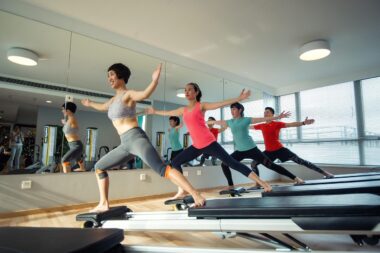
Creating a successful Pilates routine tailored for runners includes various exercises focusing on strength, balance, and flexibility. Firstly, incorporating essential exercises such as the ‘The Hundred,’ ‘Roll-Up,’ and ‘Single-Leg Stretch’ develop core strength while enhancing muscular endurance. Next, combining these exercises with movements targeting the lower body, such as ‘Leg Circles’ and ‘Shoulder Bridge,’ increases hip stability and strength. Additionally, stretching exercises involving ‘Table Top’ and ‘Cat-Cow’ promote flexibility, which is vital for injury prevention in running. It’s recommended that runners perform Pilates at least twice a week for maximum benefit. Diversifying workouts with yoga can also complement Pilates routines by further enhancing flexibility and balance, fostering an all-around fitness approach. It is essential to focus on controlled movements during sessions, as the specificity of movement enhances muscle engagement. Many Runners find tracking their progress helps to stay motivated, allowing them to notice improvements in core strength and overall body awareness. Over time, these changes will positively affect their running performance. Attending classes led by an experienced instructor may prove beneficial as they can provide personalized guidance based on individual needs.
In addition to developing a personalized Pilates routine, runners should complement their training with recovery strategies. Adequate recovery is crucial to avoid injuries and ensure optimal performance. Incorporating rest days between intense running sessions allows the body time to recover and rebuild. In conjunction, the mindful movements of Pilates help in promoting recovery post-runs. Furthermore, runners can incorporate foam rolling and stretching after workouts to alleviate muscle soreness and stiffness. Hydration plays a vital role too; maintaining fluid levels aids in muscle function and consequently reduces the risk of injuries. Nutrition also cannot be overlooked; nutrient-rich foods fuel the body to recover effectively. Eating a balanced diet rich in protein and healthy fats supports muscle repair and growth. Lastly, paying attention to proper running footwear is essential in preventing injuries. Footwear should provide adequate support and appropriately fit one’s foot shape to minimize impact and pressure on the joints. Understanding one’s unique biomechanics can be helpful when selecting the best shoes. By combining Pilates, recovery, and proper nutrition, runners create a comprehensive approach to injury prevention.
Conclusion: Embracing a Holistic Approach
In conclusion, incorporating Pilates into a runner’s training regimen provides a multifaceted solution to injury prevention. It enhances strength, flexibility, awareness, and recovery, all of which contribute to running injury-free and optimizing performance. The beauty of Pilates lies in its adaptability; it can be adjusted to suit individual needs and levels of experience. Even those who are new to fitness can reap the benefits, making it an inclusive option for everyone. Additionally, utilizing Pilates alongside regular running helps maintain a balanced physique and reduces feelings of monotony associated with strict training routines. Over time, runners will likely experience improvements in endurance, speed, and agility as they become more in tune with their bodies. Moreover, embracing this holistic approach not only benefits physical well-being but also enhances mental focuses, encouraging a positive mindset during both training and competition. Building a community around Pilates for runners can foster motivation and support among peers. Therefore, by prioritizing injury prevention through Pilates, runners can experience a more enjoyable running journey, filled with achievements and fulfilling moments on the track and beyond.
Finally, as runners embrace Pilates, it becomes clear that long-term engagement is the key to enduring benefits. Consistency is crucial for lasting progress, allowing muscles to adapt and grow stronger over time. Runners may also find joy in mixing their Pilates sessions with outdoor activities, fostering a connection between body awareness and nature. Integrating mindful breathing while performing Pilates can also enhance lung capacity, further benefiting running performance. Ultimately, developing a commitment to both practices, running and Pilates, fosters an environment of growth and wellness. As runners forge ahead in their training journeys, the union of these two methodologies encourages holistic fitness. Therefore, looking forward to seeing how many runners engage in this powerful synergy is exciting. By blending strength, flexibility, recovery, and mindful practices, runners can triumph in their personal running goals. As they advance through various challenges, countless possibilities open up for experiencing improved running and overall health. So embrace Pilates and incorporate it regularly for a well-rounded, injury-free running experience.