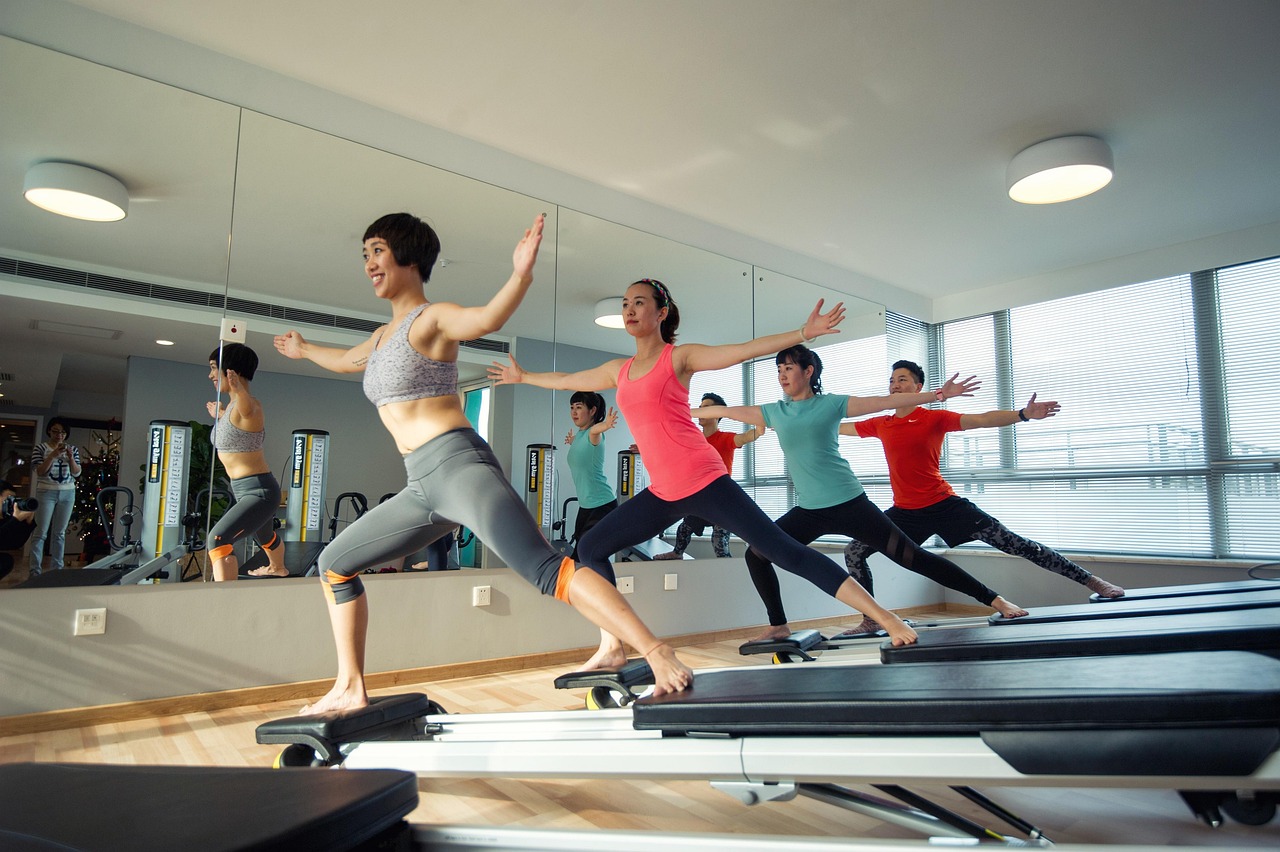

Pilates for Tennis Players: A Cross-Training Approach
In the dynamic world of tennis, players constantly seek ways to enhance their performance and avoid injuries. One effective method that has garnered attention is Pilates, a practice that emphasizes core strength, flexibility, and overall body awareness. By integrating Pilates into their training routine, tennis players can develop essential physical attributes that directly impact their on-court performance. Key focus areas often include core stability, which is crucial for consistent strokes, and flexibility to improve range and reduce injury risks. Players can experience improved endurance and balance, elements essential for executing quick lateral movements. With Pilates, players not only strengthen their bodies but also enhance concentration and mental resilience, valuable traits in competitive settings. Engaging in Pilates helps athletes learn proper alignment and enhance their proprioception, which allows for greater body control. Furthermore, it offers a unique combination of strength training and stretching, supporting the diverse physical demands of tennis. Ultimately, Pilates serves as a comprehensive tool for any serious tennis player looking to elevate their game while also nurturing their physical health and well-being.
Benefits of Pilates for Tennis
There are numerous benefits associated with incorporating Pilates into a tennis player’s training regimen. Firstly, Pilates improves core stability, which facilitates better stroke mechanics and shot precision. A strong core allows players to transfer energy efficiently throughout their body, creating powerful serves and forehand shots. Another significant advantage is that Pilates enhances flexibility, enabling players to reach for balls and execute diverse shots without risking injury. Increased flexibility can contribute to less muscle tightness and faster recovery times, essential for intensive training schedules. Additionally, Pilates promotes better posture, which can translate into more effective footwork and court positioning. Through focused movements and breathing techniques, players cultivate an awareness of their bodies that can lead to improved agility on the court. Moreover, the mental focus required in Pilates practice directly benefits tennis players by sharpening their concentration and enhancing their ability to maintain composure during high-pressure matches. Finally, Pilates also offers opportunities for injury rehabilitation, allowing players to recover from injuries safely while still staying active. These combined benefits make Pilates an invaluable aspect of modern tennis training.
To effectively integrate Pilates into a tennis training program, focus should be placed on specific exercises that target the muscles most utilized in the sport. One highly effective exercise is the ‘Pilates Bridge,’ which activates the glutes, hamstrings, and core. This particular movement not only strengthens critical muscles but also encourages proper alignment and stabilization during play. Another valuable exercise is ‘The Saw,’ which stretches and strengthens the back muscles while improving overall torso rotation—a vital component in executing powerful serves and groundstrokes. Likewise, ‘Single-Leg Circles’ promote hip stability and strengthen the core, essential for lateral movements fundamental to tennis performance. Additionally, the ‘Plank’ exercise builds overall body strength and resilience, enhancing endurance for long matches. Implementing a variety of Pilates exercises ensures a well-rounded approach to training, preparing players for the unpredictable nature of the game. Lastly, it’s essential to include regular breathing exercises to learn how to control breath and reduce anxiety during play. By consistently practicing these Pilates movements, tennis players can achieve optimal performance levels and minimize injury risks.
Incorporating Pilates into Your Routine
To achieve the most significant results from Pilates, tennis players should establish a consistent practice schedule. Ideally, integrating Pilates sessions two to three times a week can maintain and build strength effectively. Players can start with beginner classes or online tutorials focused on tennis-specific Pilates practices. It’s crucial to remain mindful of technique to prevent injuries and maximize benefits; focusing on slow, controlled movements enhances muscle engagement and awareness. Furthermore, many Pilates studios offer specialized classes aimed at athletes, giving tennis players an opportunity to work directly on their sport’s demands. Additionally, players should consider incorporating Pilates exercises into their warm-ups or cool-downs, which can improve performance while also supporting recovery. Combining Pilates with traditional strength training and on-court practice creates a comprehensive training routine that addresses all aspects of a player’s athletic performance. Moreover, seeking guidance from a certified Pilates instructor can personalize workouts, ensuring the focus remains on areas needing improvement. Lastly, remember to track progress, as monitoring development can motivate players to stay dedicated to their training. This commitment pays off through enhanced performance and enjoyment in the game.
It’s essential to note that while Pilates provides numerous benefits, it should complement other training methods, rather than replace them entirely. Tennis players should maintain traditional strength and conditioning exercises, alongside practice on the court. This multi-faceted training approach ensures that the body is prepared for the unique challenges presented during matches. Moreover, it’s beneficial to maintain a well-rounded fitness program, incorporating cardio, strength training, and flexibility exercises. Addressing these different aspects prevents overuse injuries while enhancing performance. Pilates, due to its emphasis on core stability and flexibility, can significantly contribute to the overall fitness of a player. Additionally, nutrition and hydration play crucial roles in athletic performance, so players should also focus on maintaining a balanced diet to support their training. Adequate recovery time is essential as well; following intense training sessions, resting adequately allows muscles to heal and strengthen. Educating oneself about these various aspects of training will lead to a more comprehensive understanding of one’s body. Ultimately, adopting a holistic approach to fitness ensures that tennis players can perform at their best and enjoy longevity in their careers.
Conclusion: Embracing Pilates for Tennis Success
In summary, incorporating Pilates into a tennis player’s training arsenal provides numerous physical and mental benefits that enhance performance and reduce injury risks. As players seek to maximize their potential on the court, Pilates stands out as a unique cross-training method that contributes to increased core strength, flexibility, and mental focus. These attributes significantly impact a player’s ability to execute powerful shots, maintain balance, and recover from physical exertion. By employing targeted Pilates exercises, tennis players can improve their physical foundations and address specific weaknesses that might hinder their progress. Further, embracing the mindfulness aspects of Pilates can lead to improved concentration during matches and an ability to adapt under pressure. For athletes committed to their sport, Pilates offers a distinguished pathway toward achieving excellence in tennis. Ultimately, prioritizing this cross-training approach can elevate performance levels and promote a long, healthy athletic career. Therefore, players at all levels are encouraged to explore Pilates as a vital component of their training regimen, ensuring they realize their full potential both on the court and in their physical well-being.
The integration of Pilates into your tennis journey can be transformative. Players will find not just physical improvements, but also mental fortitude and resilience. In the fast-paced world of tennis, where competition is fierce, these qualities separate the best from the rest.
As awareness grows about the benefits of Pilates, the practice will likely become increasingly popular among tennis players. The community of athletes embracing this methodology is steadily expanding, providing support and motivation to one another. With the potential for lasting enhancements in performance and fitness, Pilates is likely to establish itself as a crucial element in the future of tennis training.