
Promoting Gender Equality in Field Hockey and Sports
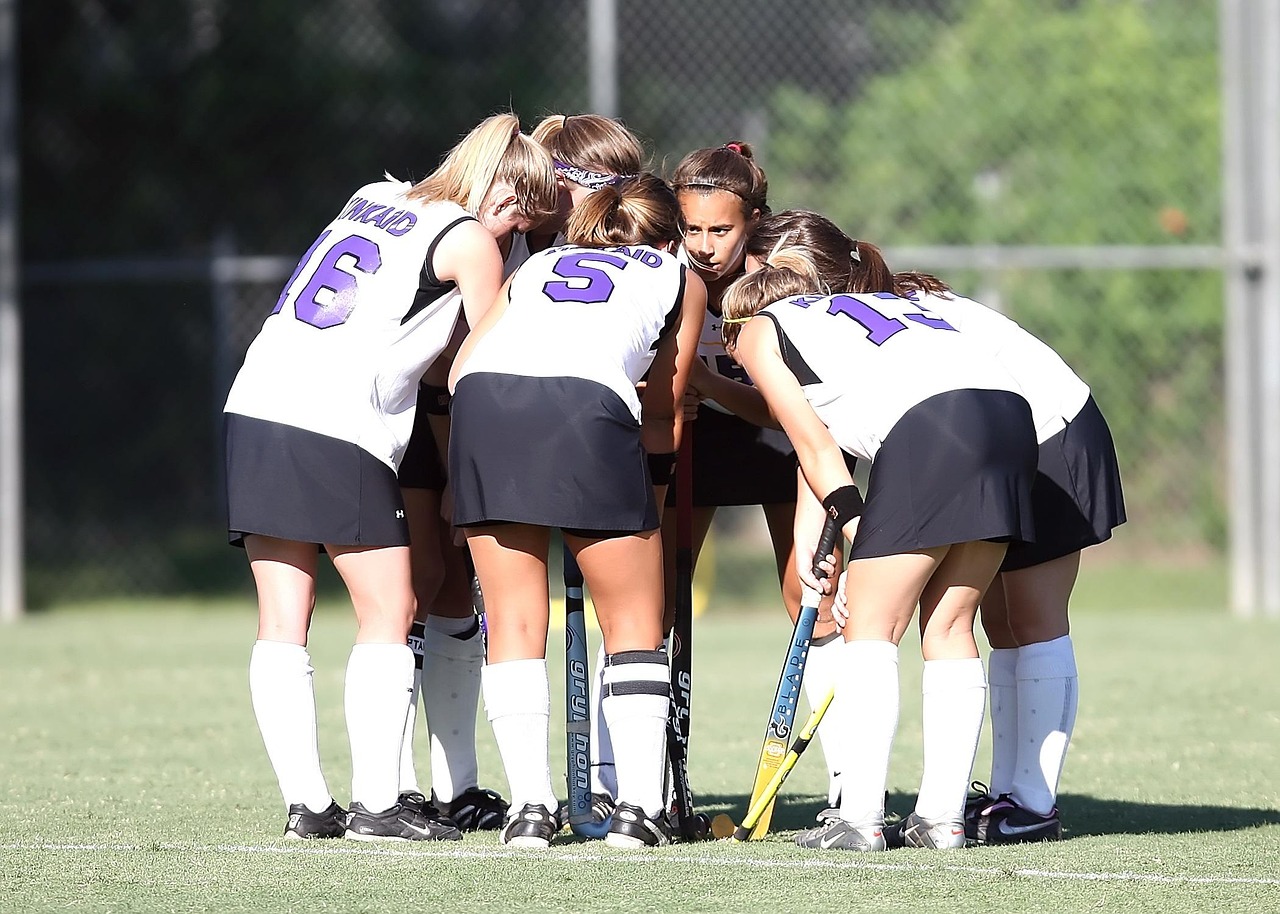
Field hockey presents a unique platform for advocating gender equality within the sports realm. By fostering an environment that welcomes everyone, we can leverage the sport to break down stereotypes. Different organizations work tirelessly to ensure women have the same opportunities as men. This includes scholarships, resources, and grassroots initiatives aimed at inspiring young girls. Programs encouraging female participation are receiving more attention, highlighting the need for balanced representation on and off the field. For instance, community outreach can have lasting effects, from grassroots engagements to professional leagues. The visibility of female athletes influences young girls’ dreams about playing sports. Celebrating successful women in the sport also aids in creating role models for future generations. Additionally, coaching initiatives target women, ensuring they have leadership titles traditionally held by men. The financial support for women’s events is gaining momentum, with sponsorships elevating the sport’s profile. Finally, media coverage plays a crucial role because representation matters. When young athletes see women succeeding in sports, they can envision their own success.
As we examine the realm of field hockey, it’s important to note disparities in access and opportunity. Investing in women’s sports contributes not just to equality but also enriches the entire sporting community. Within schools, young girls face barriers that can deter them from pursuing field hockey competitively. Programs designed specifically for girls can create an encouraging atmosphere and provide adequate resources. Coaching staff should attend workshops focusing on gender equity in sports. This will enhance understanding and promote better treatment for female athletes. Moreover, equitable funding must be a priority, with support directed equally towards male and female teams. Local clubs should fund girls’ teams, supporting traveling expenses and competitive opportunities. Mentorship programs between established players and young girls can empower the next generation to pursue field hockey. Communities seeing the value in cultivating talent increases participation rates. The supportive environment then leads to increased competition at all levels. Encouraging girls in field hockey opens opportunities that extend beyond the sport itself. Skills like teamwork, leadership, and resilience are invaluable, shaping future leaders in any field.
The Role of Schools and Universities
Schools and universities play a vital role in promoting gender equality in sports. Field hockey programs across educational institutions should actively encourage female participation. This involves providing incentives for girls to engage in hockey from a young age. Schools need to create and maintain facilities that accommodate both genders equally. Coaches and administrators must be trained to recognize and address their biases, promoting inclusiveness. Creating mixed-gender teams can also help to reduce barriers and foster team spirit among players. Scholarships aimed at talented young women can entice more girls to take up the sport. Sports days should promote gender parity, hosting equal numbers of events for both boys and girls. Events celebrating girls’ achievements reflect positively on the institution and promote role models within the community. When leagues feature predominantly female teams, young girls gain insight into their potential. Once women are seen excelling in hockey, interest often grows organically among peers. Local communities benefit when young athletes have supportive programs in place, enhancing the social fabric and cultural experience surrounding the sport.
Media representation significantly shapes perceptions and options regarding women’s field hockey. Increasing coverage of women’s leagues can attract sponsors, fostering better financial conditions. Highlighting female athletes in advertisements signals enthusiasm from the local community and beyond. Documentaries and interviews can showcase women’s journey in sports, breaking down misconceptions that women aren’t as competitive or skilled as men. By broadcasting women’s games, audiences can witness the exhilarating pace and talent displayed by these athletes. Traditional media platforms have a responsibility to elevate women’s contributions to the sport. Current initiatives aimed at increasing visibility can have profound impacts, inspiring young women to join the sport. Schools and clubs can collaborate with local media to promote upcoming games. This exposure can bolster attendance, enhancing the overall atmosphere at events. Additionally, social media serves as a powerful tool. Athletes can share personal stories to connect with fans while drawing attention to their achievements. Strengthening the narrative surrounding women in field hockey maintains momentum for further advancements. Women athletes paving the way for the next generation lays a solid foundation for ongoing progress towards equality in sports.
Building Support Networks
Support networks are essential for fostering gender equality in field hockey. Establishing mentorship programs connects aspiring female athletes with seasoned players who can guide them. This mentorship supports personal growth and provides valuable contacts who can assist in advancing their careers. Local clubs can host networking events aimed at uniting players interested in developing their skills. Encouraging open discussions regarding challenges faced by women promotes solidarity and collective problem-solving. By sharing experiences, women can strategize ways to overcome obstacles and advocate for their needs. Moreover, creating associations focused on women’s field hockey can elevate the conversation surrounding gender inclusivity. These groups can partner with existing sports organizations to petition for equitable funding and resources. Programs designed to empower women in coaching positions are fundamental. Leadership roles ensure fresh perspectives in decision-making processes. Supportive communities not only address current inequalities but can help shape future policies to foster improvement. Engaging men as allies is also crucial in this journey. Men involved in the sport must advocate for their female counterparts, fostering an environment that values all athletes equally.
Engaging with local businesses can enhance the landscape of support for women’s field hockey. Sponsorship from businesses not only boosts funding but also increases visibility in the community. Collaborative efforts can create inclusive promotions and events showcasing female athletes. Holding joint events with local organizations emphasizes broader support for women’s equality in sports. Events should include activities for all ages to engage families and encourage community participation. Workshops hosted at local fields can also introduce girls to the sport, building a pipeline of talent. Establishing partnerships ensures that funds are directed towards critical developmental initiatives. Celebrating local heroes in field hockey can motivate young players to pursue their dreams. Operating within a community context allows for the creation of programs tailored to specific local needs. Building relationships with local schools enhances mutual benefits for both parties. Increased participation improves school spirit while bolstering recruitment efforts for local hockey clubs. Ultimately, these strategies will create a culture of support and empowerment that resonates throughout the community. This comprehensive approach pays dividends for women’s sports and equality in general, aligning with global trends promoting such initiatives.
Advocating for Policy Changes
Advocating for policy changes is instrumental in shaping the future of gender equality in sports. Aligning with international organizations can amplify the message. Collaborative efforts can lead to initiatives requiring equal funding for women’s athletics. Advocating for policies demanding fair treatment can instigate vital changes within institutions. Regular assessments need to ensure compliance and progress in equity initiatives. Coalitions of players, coaches, and advocates can support lobbying efforts for improved conditions. By working together, communities can mobilize resources effectively. Public awareness campaigns can educate stakeholders about the benefits of equitable policies. Furthermore, engaging with lawmakers allows for direct influence on legislation affecting women in sports. Tracking success stories based on policy changes bolsters the case for ongoing initiatives. Building relationships with decision-makers ensures that women’s voices are heard during discussions. Continuous dialogue with involved parties helps develop a foundation for sustained advocacy efforts. Embracing technology can facilitate broader reach, engaging diverse audiences. Utilizing social media platforms enables grassroots movements to gain traction. Ultimately, informed advocacy has the potential to create meaningful change, cultivating an environment where women flourish in field hockey and sports overall.
As we look to the future, the involvement of everyone in promoting gender equality in field hockey is paramount. Empowering girls from a young age to pursue their interests creates a nurturing environment. Advocacy, education, investment in programs, and sustained community engagement are necessary for meaningful progress. Fan engagement through equitable coverage fosters appreciation for women’s sports. Increasing representation can push boundaries and lead to policy changes. Every stakeholder, from athletes to advocates, is crucial to this momentum. Ensuring equality translates into improved opportunities across various sectors. When young girls see female athletes thrive, they are inspired to follow suit in any field. The lessons learned through sports can transcend boundaries, instilling confidence and teamwork skills implemented throughout life. Providing support mechanisms ensures that female athletes do not face undue obstacles as they progress. Continuous collaboration between educational institutions and communities will reinforce the movement for equality. Finally, celebrating achievements while critically reflecting on ongoing challenges allows for growth and adaptation. The journey towards gender equality in field hockey may have hurdles, but it is an important goal worth pursuing, ultimately benefiting everyone involved.