
The Impact of Martial Arts Belt Levels on Balance Skill Development
Martial arts are renowned for their ability to improve physical skills, particularly balance and coordination. Practitioners gain these skills progressively through various belt levels, each requiring more complex maneuvers and techniques. This progression is not merely about earning a color; it involves a deeper understanding of balance and body awareness. For instance, a white belt may start with basic stances while a black belt is expected to demonstrate advanced techniques that require refined balance. Each belt level introduces new challenges, pushing the practitioner to enhance their coordination and stability. As they advance, students learn to control their movements more intentionally which builds muscle memory. Exercises such as stances, footwork drills, and forms play crucial roles at every belt stage. Regular practice of these activities helps students develop a strong foundation. The combination of physical training and mental discipline fosters a holistic approach to balance. Coordinated movements become second nature as the practitioner’s body learns to respond instinctively. Understanding the link between belt advancement and balance skill development is critical to appreciating martial arts as a comprehensive discipline.
Balance skills are paramount in martial arts, impacting performance significantly. The journey begins with fundamental techniques during the early belts while progressively advancing to complex choreographed movements. For example, balance-trained students can seamlessly transition between stances and execute techniques effectively without losing control. This balance is often cultivated through intense training routines emphasizing posture and body alignment. As martial arts practitioners move up in their belt ranks, they are introduced to higher-risk techniques that test their physical limits. These techniques necessitate not just balance, but also focus and coordination. Students must learn to manage their weight distribution in varied positions, correlating directly to their belt level. Skills such as spinning kicks or jump transitions require acute awareness of body mechanics. Thus, balance training becomes an integral part of their martial arts education. Incorporating drills that focus on stability encourages optimal performance. Additionally, mental concentration is equally important, as it influences the practical application of balance techniques. Over time, the transformation in balance skills achieved through disciplined training is evident, thus fostering greater confidence and control within the martial arts context.
Progression Through Belt Levels
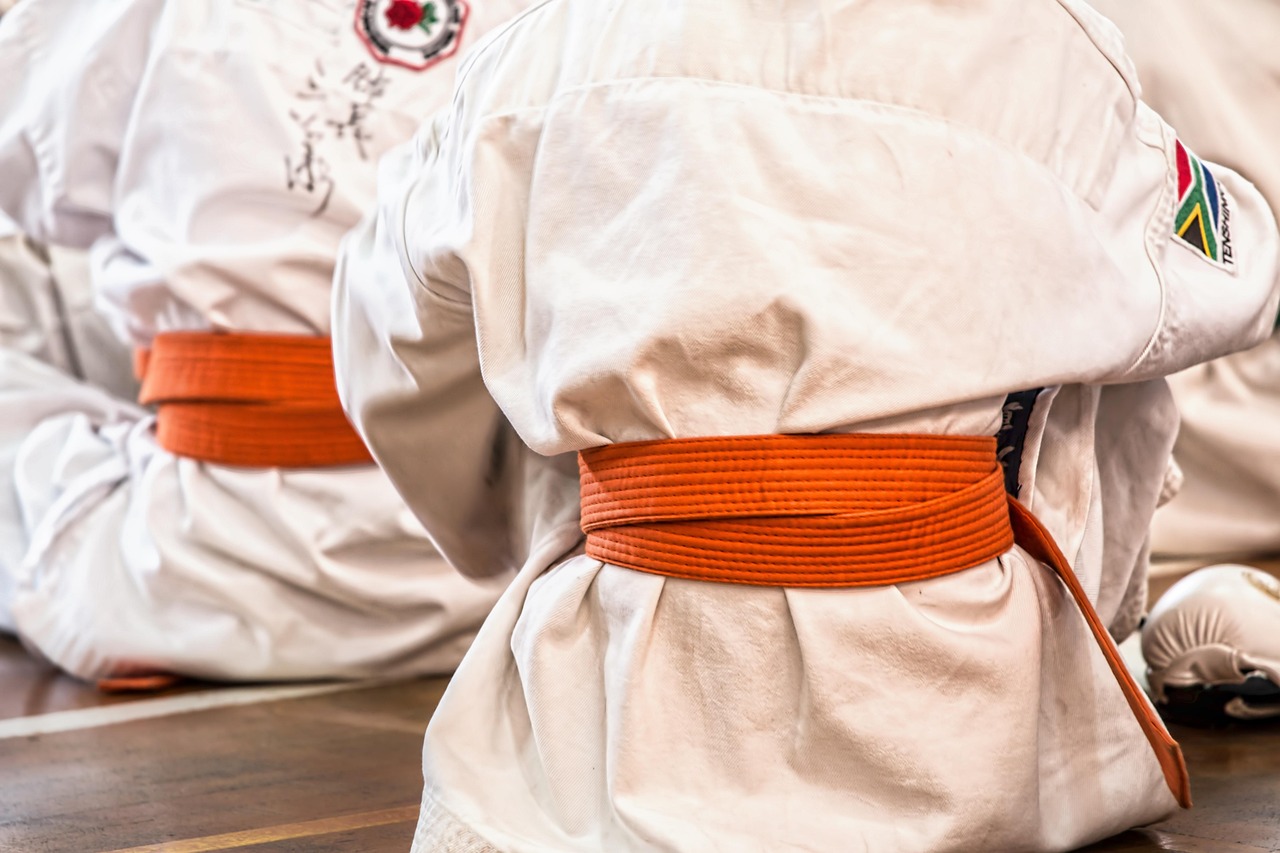
Every martial arts color belt signifies a unique level of competency which underscores a student’s progression. Each belt level is associated with specific techniques aimed at balancing skill development. Beginners, represented by white belts, typically engage in foundational exercises that hone basic balance abilities. As they advance to yellow and green belts, the complexity of these techniques increases significantly. By the time they reach intermediate levels, practitioners start performing more dynamic movements that demand precise balance. The cumulative learning process cultivates muscle strength and control that can only be developed through persistent practice. Blue and purple belts take on greater challenges, employing agility drills that necessitate rapid movements without sacrificing stability. Moreover, by the time students attain brown and black belts, they are required to execute highly advanced techniques while maintaining immaculate balance. This steady advancement ensures that balance remains a critical focus and skill set in their training. The evolution of balance from the initial to advanced levels illustrates the discipline’s emphasis on gradual mastery. Therefore, cultivating balance skills becomes essential for students aspiring to achieve high proficiency in martial arts.
Reaching higher belt levels in martial arts leads to a profound understanding of balance’s importance. As martial artists progress, they develop specialized techniques that require enhanced coordination. The foundational skills acquired in earlier levels promote an improved ability to maintain stability during movement. This ultimately results in a smoother execution of techniques, whether executing a throw or delivering a kick. The distinction at higher belt levels is in the refined application of balance techniques. At such levels, practitioners learn to choreograph their movements, combining offense and defense seamlessly without losing composure. Additionally, they learn to anticipate shifts in their center of gravity based on their opponent’s movements. This anticipatory skill is cultivated through dedicated practice and incremental challenges presented at each belt progression. Enhancing balance also contributes to overall agility, allowing practitioners to respond swiftly to changing circumstances. The interplay between reaction speed and balance embodies the martial arts experience. Therefore, the development of balance is not just a physical endeavor; it also demands mental acuity. As martial artists advance, the synergistic relationship between balance and technique becomes increasingly evident throughout their journeys.
Training Techniques to Improve Balance
Numerous training techniques focus on enhancing balance within martial arts training programs. Incorporating exercises that emphasize core strength greatly benefits balance skills training. An engaged core helps stabilize the body during various movements, contributing to overall physical control. Additionally, incorporating balance-specific drills, such as single-leg stands or balancing on unstable surfaces, can substantially improve stability. These activities enhance proprioception and body awareness, both crucial for martial arts practitioners at any level. Moreover, dynamic movements like sidekicks or pivots can effectively challenge one’s balance. Practitioners must learn to shift their weight smoothly, which makes a seamless integration into techniques. Martial arts schools provide structured training programs designed to improve balance through progressively difficult exercises tailored for each belt rank. Instructors serve a vital role, guiding students on how to perform techniques correctly, ensuring they can master the skills safely and efficiently. Regular assessment of balance skills also promotes individual growth, allowing students to identify areas requiring further development. Emphasizing these varied training techniques fosters improvements in balance, ultimately contributing to their karate journey while preparing for future challenges in their martial arts careers.
In addition to physical techniques, mental training plays a significant role in balancing skill development. Visualization practices enable practitioners to mentally prepare for techniques they need to execute. This mental determination can greatly impact performance in scenarios requiring effective balance. Students who visualize their techniques tend to execute them more cleanly, enhancing their overall effectiveness. Furthermore, breathing exercises are crucial in maintaining focus, which directly impacts balance. Controlled breathing promotes relaxation, allowing martial artists to maintain stability during high-pressure situations. Additionally, mindfulness training fosters heightened awareness of movement and body positioning. Increased awareness results in improved spatial dynamics, helping martial artists navigate their environments more effectively. This mindset contributes to aligning physical abilities with mental readiness for optimal balance performance. The fusion of mental training techniques and physical drills creates a holistic approach to balance development. A well-rounded practice reinforces both body and mind, enhancing their overall martial arts experience. As practitioners ascend through their belt levels, the importance of maintaining this balance remains essential, positively influencing their journey and honing overall martial skills.
Conclusion
Understanding the link between martial arts belt levels and the development of balance skills highlights the journey’s complexity. As students progress from beginners to advanced practitioners, their grasp of balance techniques deepens significantly. Each belt level integrates new and challenging movements, emphasizing the importance of balance as a foundational skill. This evolution fosters not only physical strength but also enhances mental acuity. Practitioners learn to adapt their movements, anticipate challenges, and execute with greater precision, transforming their balance capabilities throughout their journeys. The comprehensive approach of martial arts cultivates an appreciation for balance and coordination that extends beyond physical exercise. Martial artists gain valuable lessons on focus, respect, and discipline, vital attributes that complement their training. Moreover, the community aspect of martial arts provides a supportive environment for students to learn and grow together. By prioritizing balance as an essential skill at every stage, martial artists can enjoy a fulfilling journey. Ultimately, this dedicated practice contributes significantly to personal growth, technical proficiency, and overall well-being.
Martial arts provide a unique context for understanding balance, and belt levels serve as a structured journey for practitioners. This structured approach offers clarity on the progression of balance skills, enabling students to appreciate their development. As martial artists embrace this methodology, their practice evolves, empowering them to overcome various physical challenges. Balance skills are not limited to martial arts but also transcend into everyday life, enhancing overall physical capability and confidence. The journey toward mastery of balance through belt levels reveals a multidimensional process, fostering self-growth and resilience. Consequently, each practitioner’s commitment to advancement results in improvements that extend beyond the dojo. The skills learned and developed through martial arts training can lead to enhanced athletic performance and well-rounded personal development. As students achieve higher ranks, they carry the values and lessons learned in martial arts into their lives, exemplifying the transformative power of dedication. Therefore, the impact of martial arts belt levels on balance skill development is undeniable, as it inspires continuous self-improvement and fosters skills that encourage success in various life areas.