
The Interplay Between Hydration and Nutrition in Weight Management
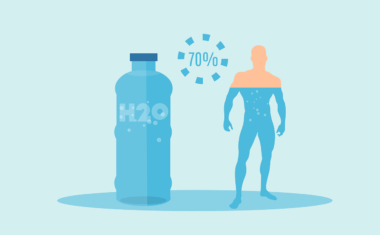
Hydration plays a vital role in weight management and overall health. Many people overlook the impact that proper hydration has on their body. Drinking sufficient water can help with appetite control, which is crucial for those looking to manage their weight effectively. Research shows that even mild dehydration can trigger feelings of hunger. Consequently, individuals may consume extra calories unnecessarily. Therefore, understanding your body’s hydration needs is key to maintaining a healthy weight. Incorporating hydration strategies into your diet enhances metabolic processes and helps the body function more efficiently. It also aids in the transportation of nutrients essential for energy metabolism and fat oxidation. Ultimately, it becomes clear that hydration should not be treated as an afterthought but rather as a fundamental component of any weight management plan. Both water-rich foods and beverages contribute to hydration. For example, fruits and vegetables are excellent choices not only for hydration but for their nutritional values. So, stay hydrated and ensure that your body has the right balance to optimize both performance and wellness.
In addition to its influence on appetite and weight management, hydration supports many bodily functions essential for health. Proper hydration enhances physical performance during exercise, which is critical for weight loss efforts. When dehydrated, the body can experience fatigue and decreased endurance, leading to less effective workouts. This, in turn, can hinder weight loss goals. It is essential to drink adequate water before, during, and after exercise sessions to maintain optimal performance and recovery. Furthermore, hydration is crucial for digestion and nutrient absorption. Water facilitates enzymatic reactions that break down food and allows essential nutrients to be transported to cells. If the body is not adequately hydrated, digestion can slow, leading to gastrointestinal issues, such as constipation and bloating. Thus, a well-hydrated body ensures that the digestive processes run smoothly, making it easier to manage weight. Additionally, hydration aids in regulating body temperature, which is particularly important during physical activity. Therefore, monitoring fluid intake is essential for maximizing exercise effectiveness and ensuring successful weight management along with a balanced diet.
The Role of Water in Appetite Regulation
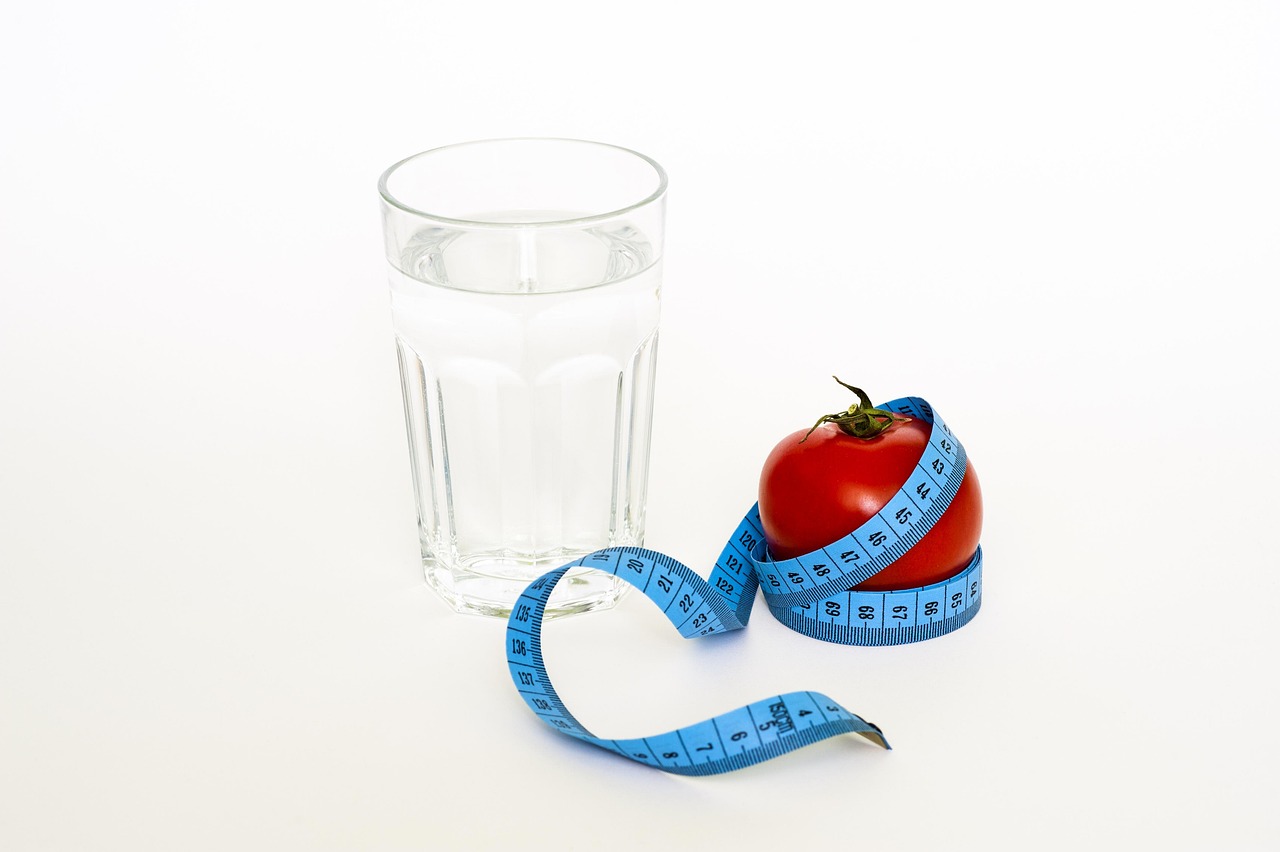
Water plays a significant role in appetite regulation and can help individuals feel fuller, reducing overall caloric intake. Drinking water before meals can decrease hunger, leading to less food consumption. This is a simple yet effective strategy for those aiming to lose weight. Studies suggest that drinking approximately 500 mL of water before meals can lower calorie intake by about 13%. This is particularly beneficial for individuals struggling with portion control. Moreover, incorporating water-rich foods, such as fruits and vegetables, into your meal plan enhances hydration levels while providing essential nutrients. Foods high in water content can help in feeling satisfied without the extra calories. Additionally, dehydration symptoms can mimic hunger sensations, causing people to eat when their body actually needs water. Hence, it is vital to distinguish between thirst and hunger cues to avoid unnecessary eating. By prioritizing hydration and understanding its effects on appetite, individuals can make smarter choices when it comes to food and portion sizes. This awareness is crucial in any effective weight management strategy, emphasizing the relationship between hydration and nutrition.
Understanding the importance of tailor-made hydration strategies is key, especially for active individuals. Athletes and those who engage in rigorous physical activities require higher fluid intake due to sweat loss. This increase in hydration needs further emphasizes how hydration supports overall performance and recovery. Therefore, it is essential to monitor your hydration status, particularly through urine color, frequency of urination, and general feelings of thirst. A well-hydrated body will show pale yellow urine and frequent trips to the bathroom. Conversely, darker urine may indicate dehydration. To address these needs, incorporating electrolyte-rich beverages can also help restore lost minerals during intense workouts. These beverages offer not only hydration but can improve endurance and support prolonged physical activity, which is essential for weight management. However, it’s important to choose wisely and be aware of added sugars and calories in some sports drinks. The objective is to maintain a balanced approach towards hydration and nutrition while actively engaging in exercise routines. Educating oneself about hydration needs and strategies can ultimately enhance both weight management goals and overall health.
Hydration and Nutritional Choices
The connection between hydration and nutritional choices cannot be overlooked when discussing weight management. Making healthy food choices while remaining adequately hydrated promotes overall well-being and aids weight loss. Certain foods are known to retain more water, such as cucumbers, strawberries, and watermelon. Including these in your diet not only contributes to hydration but also provides essential vitamins, minerals, and fiber. Relying solely on calorie-dense but hydrating foods can lead to slower weight loss results, as they often lack the nutrients that support metabolic health. Furthermore, prioritizing hydration can also improve the absorption of key nutrients, enhancing their availability for energy metabolism. An emphasis on hydration complements a healthy diet rich in whole foods and lean proteins, and reduces cravings for unhealthy snacks. This combination thus becomes advantageous in managing weight effectively while ensuring the body receives adequate nutrition. Avoiding alcohol and high-sugar sodas also assists in maintaining hydration while investing in better food choices. Overall, recognizing the interplay between hydration and nutrition can lead to more informed dining decisions for effective weight management.
To assess the impact of hydration on weight management strategies, it’s important to track your intake and notice how it interacts with your dietary habits. Keeping a hydration journal can be beneficial, where you note daily water consumption along with meals and physical activity. This practice raises awareness regarding hydration status and how it corresponds to energy levels throughout the day. It’s a simple yet effective way to identify trends in appetite changes based on hydration levels. Additionally, mobile applications can help track both hydration and caloric intake smoothly, making weight management easier and more effective. Analyzing this data provides insights that can help refine dietary choices to align with hydration needs, promoting a successful weight loss journey. Regular reflection on these habits encourages accountability and motivates individuals to improve their hydration levels systematically. In this way, hydration becomes an integral aspect of a comprehensive weight management plan. Don’t forget to share experiences with peers for support in this practice or even join online groups dedicated to such discussions. This collective knowledge can foster better hydration habits in weight management.
Conclusion
In conclusion, the intertwining of hydration and nutrition is essential in effective weight management practices. Staying hydrated positively influences appetite control, physical performance, digestion, and nutrient absorption. Making conscious hydration choices, whether through the consumption of water-rich foods or adequate fluid intake, presents a practical approach to maintaining a healthy weight. Understanding the cues of thirst versus hunger also underscores the importance of this relationship. Ultimately, incorporating hydration strategies into daily routines can improve outcomes for individuals aiming for weight loss or maintenance. Striking a balance between hydration and nutritional choices fosters a healthier lifestyle while enhancing overall well-being. By prioritizing hydration, individuals can support their bodies as they work toward achieving weight management goals. It is essential to recognize how interconnected these elements are, and how addressing one can pave the way for success in the other. With growing awareness, individuals can become empowered to apply effective hydration practices alongside mindful eating. Future research will only continue to shed light on this subject, helping to refine approaches and encourage healthier choices.
Continued awareness of the hydration and nutrition relationship presents endless possibilities. By making informed decisions, individuals will better understand their bodies and respond to its needs. Ultimately, incorporating intentional hydration practices into weight management serves as a supplemental tool to enhance health and well-being. Remember, every drop counts. Consistent hydration fuels fitness goals, aiding resilience in achieving long-term weight objectives. So, make hydration a conscious part of your daily routine and enjoy the health benefits.