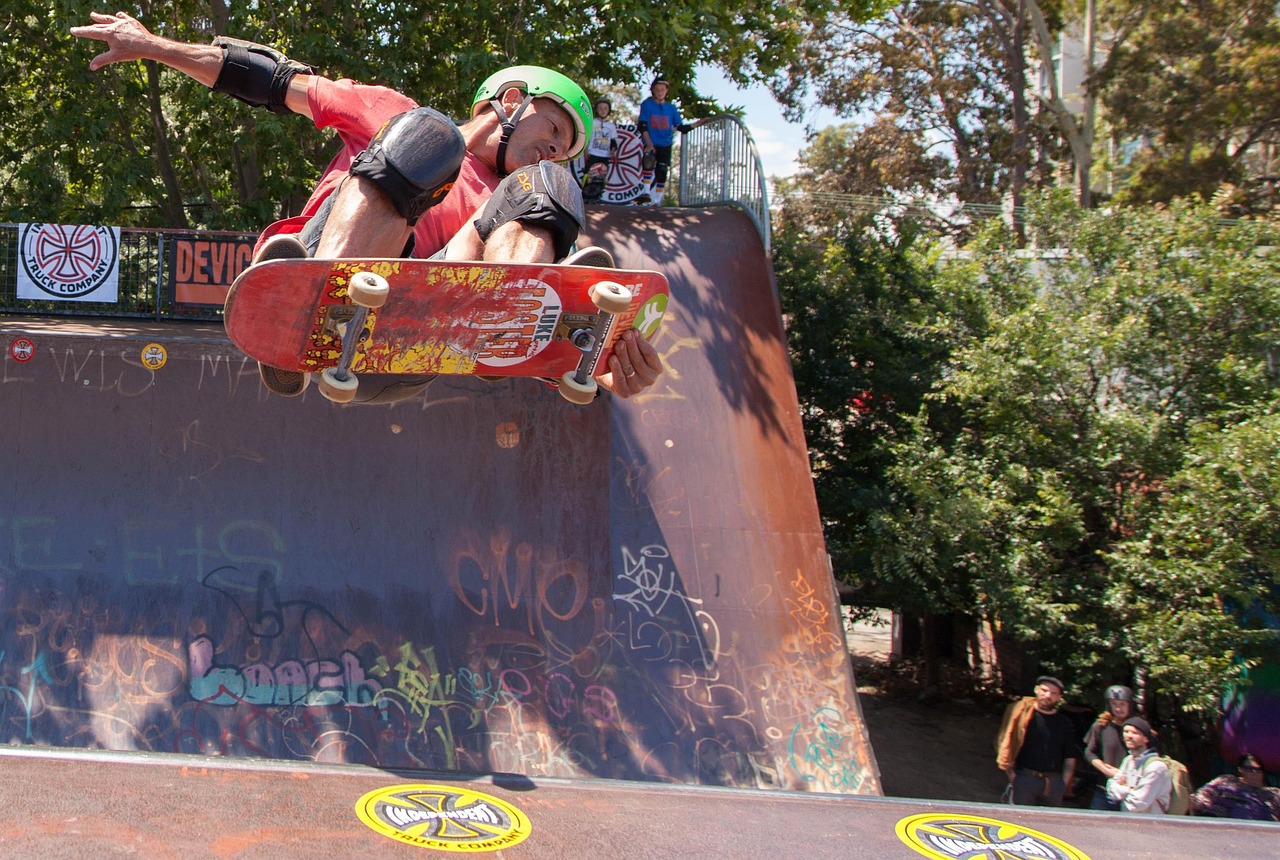

Using Ramps: Basic Techniques for Beginners
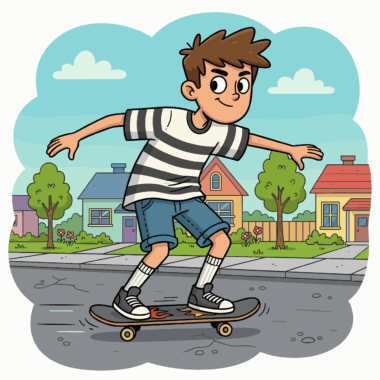
Skateboarding on ramps can be a thrilling experience, especially for beginners looking to enhance their skills. To start, it is essential to understand the basic techniques that will help develop confidence and stability. First, ensure that you are wearing proper safety gear, including a helmet, knee pads, and elbow pads. This equipment protects you from potential injuries as you navigate various ramp heights. Next, practice your foot positioning. The back foot should be on the tail, while the front foot should be centered over the bolts to help maintain balance. This stance will significantly contribute to your control on the ramp, allowing you to execute maneuvers successfully. It’s also helpful to use your shoulders and hips to initiate turns and tricks. As you approach the ramp, keep your knees slightly bent to absorb impact and maintain control. Once you become comfortable, gradually increase the height of the ramp to enhance your skills. Remember, practice makes perfect, so take your time to develop a solid foundation in ramp skating to minimize risks and maximize enjoyment.
Basic Tricks to Try on the Ramp
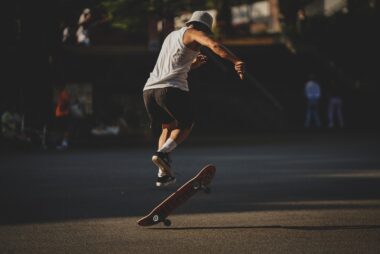
Once you have mastered the essentials of ramp skating, it’s time to learn some basic tricks that will improve your style and versatility. One of the first tricks to try is the Ollie. This trick involves popping the tail of your board and dragging your front foot up the board to level it out mid-air. It’s crucial to time your jump correctly and maintain a balanced center of gravity. Another great trick is the Rock to Fakie, where you ride up to the top of the ramp and transition into a roll back down the same side. Start slow and focus on your balance over the edge of the ramp. The Frontside and Backside Boardslide are also beginner-friendly tricks that involve sliding along the edge of the ramp, which can help build confidence. As you practice, be sure to watch tutorials or find a more experienced mentor to guide you through these techniques. Remember, every skater progresses at their own pace, so work on mastering each trick before moving to more advanced techniques.
Understanding the importance of foot placements and body position is critical when riding ramps. Your back foot plays a significant role in steering the board, while your front foot controls the power of the ollie and turning. As you approach the ramp, angle your body slightly forward, preparing for the transition. When you reach the top, ensure you have a comfortable grip with your feet on the board. It is best to practice these techniques at lower altitudes and gradually work your way up. Utilizing a mini-ramp is also an excellent way to build confidence as you practice your speed and landing. Remember to keep your knees bent and your eyes looking forward to maintain balance. This posture not only enhances your control but also helps in preventing falls. Don’t forget to engage your arms actively to help leverage your movements. Finally, take breaks as necessary; staying refreshed will help improve your performance and enjoyment while practicing. Every skater has their unique rhythm, so finding your style on the ramp is part of the fun. Enjoy every ride while continuing to learn!
Before attempting to climb steeper ramps, developing your confidence on a smaller incline is crucial. Start by riding a soft transition ramp, which is generally less intimidating. This will allow you to get used to the rhythm and dynamics of skating on ramps. Focus on gliding smoothly, with regular practice increasing your comfort levels over time. You should aim to achieve consistency in your pumps, which helps maintain speed while navigating transitions. Moreover, practicing at lower heights enhances your ability to stay grounded, minimizing the likelihood of accidental falls. It’s essential to find your balance with footwork, so take the time to experiment different foot placements. You can utilize a stopwatch to time your descents and improve your timing. Each experience on the ramp should be a positive one, celebrated by recognizing your improvements, no matter how small. Consider documenting your journey through video or journal entries; tracking your progress can be motivating. Furthermore, joining a local skateboarding community can offer support and additional tricks to learn. Stay persistent, and you’ll see growth in your ramp skating skills as you have fun with friends.
Safety First While Learning
Skateboarding can be risky, especially for beginners experimenting with ramps. Proper safety precautions are essential to minimize the chance of accidents. First and foremost, invest in high-quality safety gear, including a robust helmet that fits snugly and won’t shift during rides. Look for knee and elbow pads made from durable materials to protect against scrapes. Wrist guards can also significantly help prevent injuries while learning new tricks. Be sure to check your skateboard for any wear and tear; improper equipment can increase the risk while skating. Find a safe environment for practicing, such as a designated skate park with ramps designed for beginner skaters. Surround yourself with fellow beginners or experienced skaters who can provide advice and support during your learning process. It’s always a good idea to watch for irregularities in the ramp surface, such as cracks or debris that can lead to falls. Lastly, don’t forget to warm up before each skate session to prevent injuries. Simple stretches for your legs, arms, and back can make a world of difference when preparing to skate.
Familiarizing yourself with proper skating etiquette is essential, especially in skate parks. Always be aware of your surroundings to avoid collisions with other skaters. Wait your turn patiently, and do not drop in unexpectedly; check the ramp for space before making your move. Learning to share the ramp with others is crucial for a smooth experience. Moreover, taking turns while encouraging fellow skaters helps foster camaraderie. Be open to offer tips or support to other beginner skaters as well, as sharing knowledge can strengthen the community. When approaching others, ensure to be encouraging and respectful. Positive reinforcement can help boost confidence in more novice skaters, ensuring everyone enjoys their time. Try to maintain a clean skating area by picking up trash and ensuring your gear doesn’t obstruct others. Remember, fostering good relationships with fellow skaters and adhering to etiquette can greatly enhance your time at the park. Skateboarding is not just about personal improvement; it’s also about growing together. Respecting others will make you feel a sense of belonging each time you hit the ramps.
Conclusion and Moving Forward
In conclusion, ramp skating is an enjoyable activity that offers endless opportunities for personal growth and fun. By mastering the basic techniques, practicing essential tricks, and prioritizing safety, beginners can develop their skills pragmatically. It’s important to remember to take your time and always focus on improvement, no matter how gradual. Keep in mind the importance of finding a supportive community to skate with, as this can motivate you to reach new milestones. Whether you’re progressing to higher ramps or mastering advanced tricks, every skater’s journey is unique. Celebrate small achievements as they lead to larger goals. Most importantly, continue to cultivate your love for skating; passion will drive your advancement. As you develop your skills, consider setting specific short-term and long-term goals to keep your progress on track. Regular practice will ultimately elevate your ramp skating abilities while providing joy and fulfillment in every session. So, keep skating, have fun, and watch how far skill and enthusiasm can take you. Enjoy the ride and embrace the challenges the ramps present as you continually grow as a skater.
As you move along your skateboarding journey, remember that each descent on the ramp brings new lessons and excitement. Embrace every challenge, knowing that each falls or missteps is a stepping stone toward improvement and mastery. By applying what you’ve learned about positioning, safety, and tricks, you can continue to advance through more complex maneuvers. The ramps will continue to be your training ground for creativity and self-expression in skating. Each session builds both confidence and resilience, which are vital in skateboarding and beyond. Take a moment after each practice to reflect on your progress, acknowledge the hurdles you’ve overcome, and create a plan for future improvement. This reflective practice can help you sharpen your visualizations for executing tricks perfectly and boost your mental strength. Enjoy connecting with fellow skaters, sharing tips and stories of your developments, and building friendships through the shared passion for skating. Keep your mind open to learning and evolving as a skater; doing so will yield endless rewards. Embrace every opportunity the ramp presents, and you will, without a doubt, discover the magic of skateboarding.