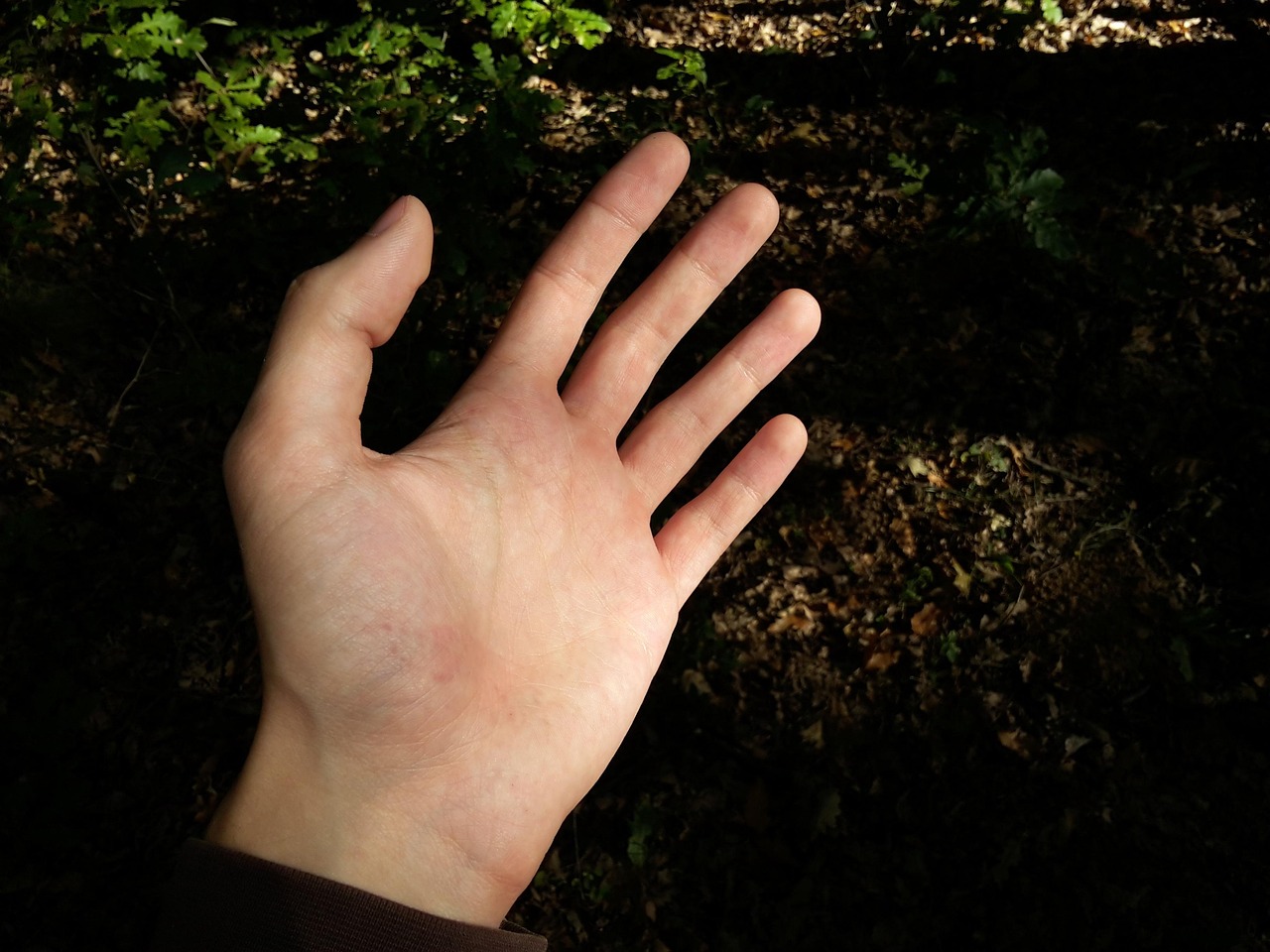

Biomechanics of Upper Limb Movements
The biomechanics of upper limb movements encompasses a variety of mechanical principles and the ways in which they explain human actions. Understanding these movements is essential for various applications, including rehabilitation, sports performance, and ergonomics. The upper limb consists of complex structures, such as bones, muscles, and joints, working together to facilitate movement. Key components include the shoulder, elbow, wrist, and hand, each playing distinct roles. Torque, muscular force, and body leverage significantly affect upper limb functionality. Investigating how these elements interact contributes to a deeper understanding of motion. Evaluating joint angles, moment arms, and muscle activation patterns can help to analyze and improve performance. Additionally, recognizing limitations and potential injury risks is vital for athletes and professionals alike. This exploration helps emphasize the importance of maintaining proper biomechanics during various activities to ensure efficiency and reduce injury potential. Understanding the mechanics of upper limb movements equips professionals with the knowledge to develop tailored interventions that enhance rehabilitation and performance, proving critical in both clinical and athletic settings. In the following paragraphs, we will delve deeper into the mechanics of each segment of the upper limb.
The shoulder joint plays a crucial role in upper limb movements, connecting the arm to the trunk while allowing a wide range of motion. This joint consists of the humerus, scapula, and clavicle, providing anatomical complexity essential for various tasks. The glenohumeral joint, a key component, enables fluid motion through flexion, extension, abduction, and rotation. Understanding how the shoulder joints operate biomechanically can aid in designing effective rehabilitation programs for injuries. Additionally, it’s important to analyze the muscle groups associated with shoulder movements, including the rotator cuff, deltoids, and trapezius. These muscles work synergistically to stabilize and control shoulder motion. Disruptions in shoulder biomechanics can lead to dysfunction and pain, which necessitates early intervention. By examining the forces acting on the shoulder during movements, practitioners can better identify the root cause of injuries. Furthermore, utilizing appropriate training techniques can enhance muscle strength and flexibility, promoting healthier biomechanics. Overall, understanding how the shoulder functions biomechanically is vital for optimizing performance and preventing injury, making it a primary consideration in both athletic and clinical contexts.
Elbow Joint Mechanics
The elbow joint serves as a hinge joint with distinct biomechanical properties, allowing for actions like flexion and extension. Comprised of the humerus, radius, and ulna, the elbow plays a vital role in upper limb movement by facilitating diverse actions. Biomechanics of the elbow can significantly impact performance through various sports, such as throwing or lifting actions. Measuring joint angles, muscular contractions, and maximum force generation at the elbow provides insights into its functional capacity. Proper biomechanics at the elbow ensure that forces are transmitted effectively throughout the arm. Analyzing the interaction between the forearm muscles and the elbow can reveal potential weaknesses or imbalances that may lead to injury. Rehabilitation strategies often emphasize restoring strength and stability at the elbow to enhance movement quality. Furthermore, understanding the roles of specific muscles, such as the biceps brachii and triceps brachii, contributes to targeted training programs. Evaluation of elbow joint biomechanics ultimately empowers athletes and clinicians by equipping them with the necessary strategies to minimize injury risks while maximizing performance and functional capabilities.
The wrist plays a significant role in upper limb biomechanics, providing crucial flexibility and coordination necessary for countless daily activities. Comprised of various small bones, the wrist enables complex motions, such as flexion, extension, and radial/ulnar deviation. Understanding the mechanics at play within the wrist is essential for optimizing movements in sports, rehabilitation, and occupational tasks. The distal radioulnar joint significantly contributes to wrist functionality, facilitating pronation and supination alongside other movements. Analyzing wrist biomechanics helps to identify muscular imbalances and movement restrictions that may hinder overall performance. The synergy between intrinsic and extrinsic wrist muscles enables the hand to perform fine motor tasks effectively. Evaluating wrist biomechanics can assist rehabilitation professionals in developing personalized interventions for patients recovering from injuries. Moreover, proper wrist positioning and biomechanics during lifts or impacts can reduce the risk of injury, emphasizing the importance of functional training programs. By comprehending wrist joint mechanics, athletes and trainers can create well-rounded training regimens aimed at enhancing overall hand functionality, encouraging better performance and injury prevention.
Hand Function and Biomechanics
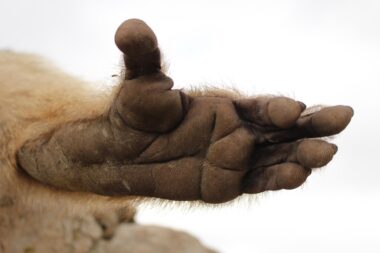
The human hand exhibits a remarkable range of motion and dexterity due to its complex structure and biomechanics. Composed of multiple bones, joints, and muscles, the hand is essential for various tasks, from gross motor functions to intricate fine movements. Understanding hand biomechanics allows for better design in ergonomic tools and devices, enhancing efficiency while reducing injury risks. Evaluating the grip patterns, forces exerted, and coordination of finger movements reveals important insights into hand function. Research into the muscle groups, including the thenar and hypothenar eminences, also sheds light on how the hand performs precise tasks. Furthermore, analyzing the interaction between the fingers and the palm during different activities can inform rehabilitation strategies for injuries. Attention to hand biomechanics in sports can also enhance performance, as optimal grip strength and finger positioning are crucial for various disciplines. Employing specific training techniques tailored toward enhancing hand function can facilitate greater adaptability in diverse activities. Therefore, exploring the hand’s biomechanics is vital for improving both everyday functionality and specialized performance.
Force transmission throughout the upper limb greatly influences overall function, performance, and injury risk. The ability to generate and control forces during movement is a significant factor affecting biomechanics. Understanding how muscles create tension and generate forces allows for better rehabilitation and training programs tailored to individual needs. Forces produced during tasks like lifting or throwing primarily depend on the coordinated activation of multiple muscle groups. Muscle synergy plays a crucial role in ensuring effective force output while minimizing the risk of injury. The interplay of forces at the shoulder, elbow, wrist, and hand contributes to overall upper limb effectiveness, emphasizing the need to optimize each segment’s biomechanics. Moreover, exploring common injuries, such as rotator cuff tears or tennis elbow, helps identify the mechanical factors contributing to them. Addressing these issues requires a detailed analysis of muscle function and joint biomechanics. Ultimately, by understanding the complexities of force transmission, athletes, clinicians, and trainers can develop effective strategies to enhance performance and prevent injuries across various physical activities.
Practical Applications of Upper Limb Biomechanics
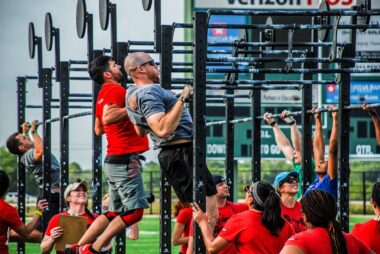
The practical applications of upper limb biomechanics are diverse, enhancing both rehabilitation and athletic performance. By understanding the underlying mechanical principles, professionals can tailor interventions to meet individuals’ specific needs. In rehabilitation, incorporating biomechanical assessments allows professionals to track progress and optimize recovery strategies. Utilizing advanced technologies like motion capture and force plates can provide a comprehensive view of upper limb dynamics. This information supports the development of individualized exercise programs to address limitations and facilitate return to function. In sports, an awareness of biomechanics aids in identifying optimal techniques for various activities, ranging from throwing to swimming. Coaches utilize biomechanical analyses to enhance athletes’ performance, focusing on technique refinement and injury avoidance. These insights into torque, joint angles, and muscle engagement directly inform training regimens. Moreover, understanding the implications of proper biomechanics can lead to the design of specialized equipment, such as gloves, padding, and implements that enhance performance while minimizing risk. By working in tandem with biomechanics, practitioners contribute significantly to the advancement of both rehabilitation and sports performance.
In summary, biomechanics profoundly impacts upper limb movements, from foundational principles through complex interactions among joints, muscles, and forces. Understanding these dynamics unlocks a deeper appreciation for human movement and informs practical applications across rehabilitation and sports fields. Key components such as the shoulder, elbow, wrist, and hand interconnect to facilitate dynamic motion patterns. A comprehensive understanding of these elements furthers the development of targeted training and rehabilitation strategies designed to optimize performance and prevent injuries. Mos importantly, incorporating biomechanical principles encourages individuals to become more knowledgeable about their body mechanics, promoting awareness of proper movement patterns in daily activities. As advancements in technology continue to facilitate biomechanical analyses, professionals will increasingly leverage these tools to inform practice. Ultimately, the study of upper limb biomechanics reveals critical insights that benefit athletes, clinicians, and the general population alike, enhancing the understanding of human movement and functionality. Continuous exploration in this field promises to yield better strategies for enhancing performance. Emphasizing the importance of biomechanics can foster the overall well-being of individuals engaged in various physical activities, showcasing the value of biomechanics in promoting health and excellence.