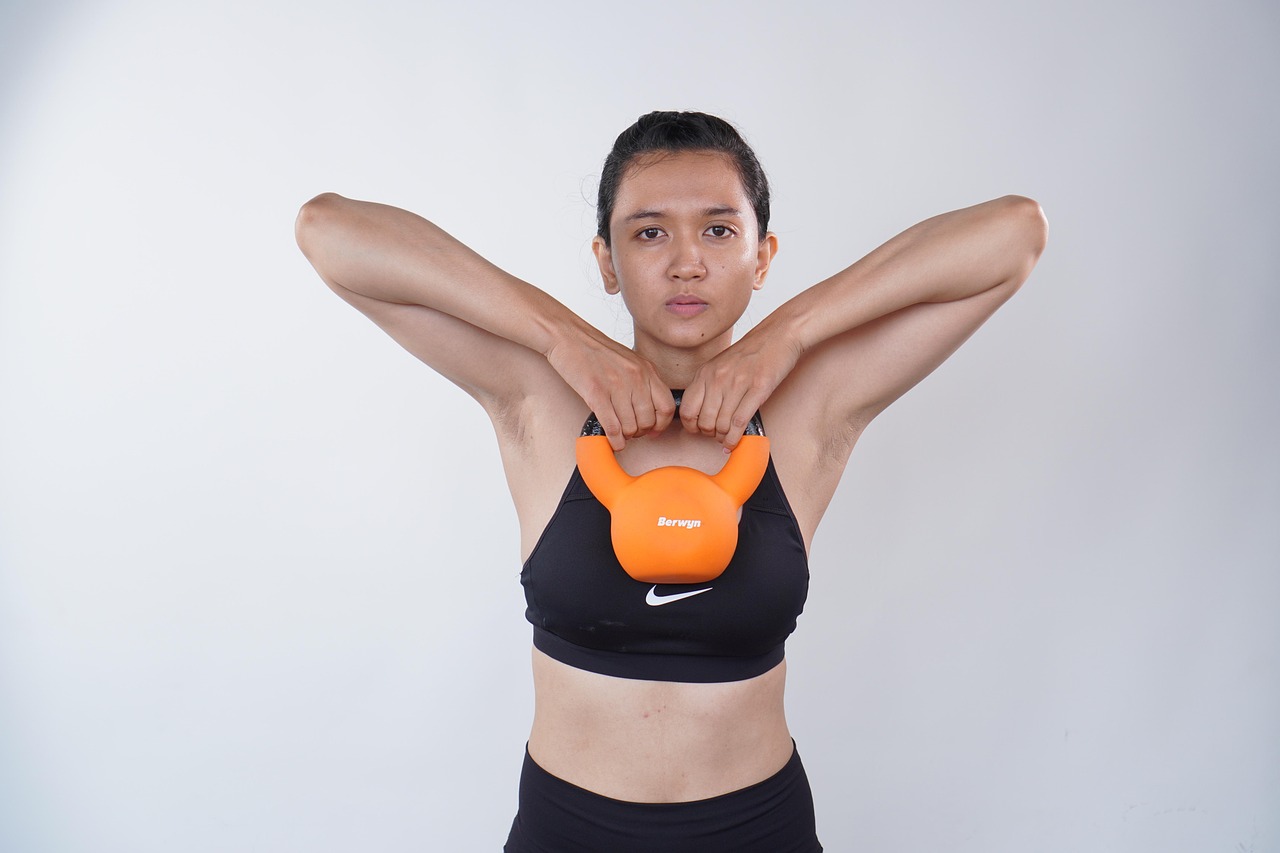

Combining Kettlebell and Yoga at Home for Strength and Flexibility
Integrating kettlebell training with yoga can significantly enhance overall physical capabilities at home. By harmonizing these two disciplines, you can improve both strength and flexibility effectively. Kettlebells provide a robust way to build muscle and endurance, while yoga emphasizes stretching and balance. Together, they complement each other remarkably. For an effective workout, beginners should focus on basic kettlebell exercises such as swings and goblet squats. These movements not only build functional strength but also prepare the body for deeper yoga postures. As your strength develops, you can gradually add more challenging kettlebell movements. Creating a structured workout routine that alternates between kettlebell exercises and yoga poses, such as Downward Dog and Warrior I, can help in achieving balanced physical fitness. Be sure to maintain proper form during both kettlebell lifts and yoga positions. Additionally, consider incorporating breathing techniques to enhance performance in both practices. These combined sessions can foster a rewarding exercise experience, leading you toward greater strength, improved flexibility, and overall well-being. Keep exploring and adjusting your routines as you progress to ensure sustainable growth in your fitness journey.
One key benefit of combining kettlebell workouts with yoga is the enhanced body awareness it offers. Both practices require concentration and mindfulness, helping to develop a strong mind-body connection. This awareness can lead to better control of your movements and improved posture, which is essential for long-term success in fitness. As you transition from kettlebell lifts to yoga poses, pay attention to how your body responds. Listen to what it tells you, focusing on areas that may need extra attention or adjustment. This could mean holding a yoga stretch longer to alleviate tightness after an intense kettlebell session. Moreover, consider implementing dynamic warm-ups before starting your routine, ensuring that your muscles are primed for activity. Incorporate movements like arm swings, leg swings, or torso twists to prepare for kettlebell training. Similarly, include cool-down stretches after completing your workout to improve flexibility and alleviate muscle soreness. These transitional moments between kettlebell exercises and yoga allow for recovery and promote a more holistic approach to fitness. Therefore, commit to developing your awareness throughout each session, as this will ultimately help you maximize your training results.
The Combination of Strength and Flexibility
When practicing kettlebell exercises, you can build strength through compound movements. Exercises such as kettlebell deadlifts, snatches, and swings engage multiple muscle groups. This multi-faceted approach helps improve overall muscle tone and cardiovascular fitness. In contrast, yoga focuses on elongating those muscles and enhancing flexibility, creating a balance between strength and stretch. Ensuring you incorporate both modalities into your routine will provide comprehensive fitness benefits. Regular kettlebell training can help in developing greater muscle endurance, which is crucial for holding poses in yoga. Moreover, strength gained from kettlebell exercises can allow for deeper stretches and further mastery of difficult yoga postures. As you continue practicing, you will notice improved stability, balance, and coordination stemming from this synergy. Creating a balanced regime means spending time on both kettlebell training and yoga, ensuring neither is neglected. Aim for at least two sessions each week focusing on kettlebell work and dedicated yoga sessions, alternating them to maintain variety. This balance will not only help develop a versatile fitness level but also keep you engaged and motivated during your training sessions.
Incorporating kettlebells into your yoga routine also offers an opportunity for functional fitness. Choose kettlebell variations that mimic movements encountered throughout daily activities. For example, the kettlebell carry, where one holds a kettlebell in one hand while walking a short distance, is beneficial for improving grip strength and core stability. Pair this with a warrior pose to further enhance the benefits. Functional fitness cultivates strength that translates directly into everyday life, whether lifting groceries or climbing stairs. As you integrate these practices, remember to focus on your breath, which is vital in both kettlebell and yoga workouts. Proper breathing mitigates fatigue and allows for sustained energy during performance. Through rhythmic breathing, you can enhance endurance and concentration during challenging exercises. Keep engaging your core and maintaining good form throughout each movement to prevent injury. Focus on smooth transitions between kettlebell exercises and yoga postures to create a seamless workout experience. This intentional blend of techniques can lead to profound physical changes. Moreover, this approach ultimately encourages a more enjoyable workout, helping you to remain committed to your fitness goals.
Designing Your Home Workout Space
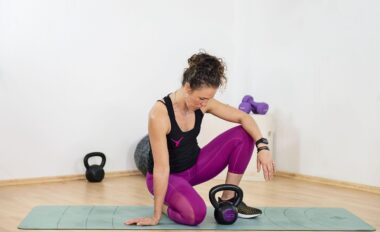
Creating an inviting home workout environment plays an essential role in your kettlebell training and yoga practice. Designate a specific area in your home where distractions are minimized, as this can significantly impact your focus during workouts. Ensure that your workout space has ample room for kettlebell exercises, as well as ample space for yoga movements, especially when transitioning between both. Good lighting can also enhance motivation and create a positive ambiance. Consider incorporating soft, calming colors in your workout area to promote relaxation and focus. Keep your kettlebells easily accessible, organizing them in a way that encourages frequent use. Adding a yoga mat will provide a comfortable surface for your practice, allowing you to perform poses with better grip and stability. A mirror is another valuable addition to your exercise space, enabling you to review your form and technique during workouts. Finally, personalizing your space with motivational quotes or artwork can further inspire you to stay committed to your fitness journey. A well-designed space helps create a sense of commitment and enthusiasm towards training at home, ultimately enhancing your overall experience.
When beginning your kettlebell and yoga combination program, be sure to set realistic goals. Whether your focus is on enhancing strength, flexibility, or overall fitness, having defined objectives can help drive your motivation. Begin by outlining short-term and long-term goals to track your progress effectively. For short-term goals, aim to master specific kettlebell exercises or increase your yoga session duration gradually. Long-term goals could include completing a certain number of kettlebell workouts each week or mastering advanced yoga poses. Documenting your achievements can provide you with tangible insights into your progress and help you remain focused. Consistent self-reflection allows you to assess whether your routine is meeting your needs, enabling you to adapt as required. Additionally, remaining flexible with your goals can contribute positively to your mindset. Exercise should bring joy and fulfillment rather than added stress. Always consider adjusting your expectations based on personal circumstances and variations in your fitness levels. In doing so, you create a sustainable approach to training that fosters resilience and encourages long-term adherence to your fitness journey.
Listening to Your Body
Listening to your body is a vital aspect of combining kettlebell training and yoga effectively, ensuring that you avoid injury and promote recovery. Pay attention to any discomfort or fatigue signals during your workouts. If any movements feel out of reach or painful, take a step back to assess your technique or modify the exercise. This is especially important when practicing challenging kettlebell lifts or deep yoga stretches. Don’t hesitate to adjust the weight of the kettlebell or the duration of your yoga poses to meet your current skill level. Your body’s signals provide valuable insights into your fitness journey; respecting them can lead to improved performance over time. Incorporating rest days is another essential practice; adequate recovery is crucial in allowing your muscles to rebuild after intensive workouts. Consistency is crucial, but it should never override the importance of caring for your body. Space out kettlebell and yoga sessions to allow adequate recovery time in between, ensuring you remain motivated and continuously challenge yourself without fear of burnout or injury. Embracing this mindful approach will sustain your strength and flexibility growth.
In conclusion, blending kettlebell training with yoga provides a holistic approach to fitness that promotes both strength and flexibility. Establish a sustainable routine focused on incorporating both practices for well-rounded growth. The synergy between kettlebells and yoga opens opportunities for improved mobility, enhanced body awareness, and overall well-being. Make it a point to remain engaged in your training, fostering excitement around your workouts at home. The right mindset plays a significant role in ensuring a rewarding experience as you weave together strength-building kettlebell exercises with invigorating yoga poses. Track your progress and adjust your goals regularly to keep your workouts aligned with your aspirations. Explore various combinations of movements, transitioning smoothly between kettlebell exercises and yoga poses for a seamless flow. Celebrate small victories and stay committed to your long-term fitness journey. In doing so, you will develop a comprehensive workout routine that suits your unique needs and preferences, ultimately nurturing your body and mind holistically. Enjoy the transformative journey of merging kettlebell training and yoga, allowing yourself to grow stronger, more flexible, and balanced.