
The Effects of Taurine on Endurance and HIIT Performance
Taurine is a naturally occurring amino acid that plays a significant role in many biological processes. Found in abundance in meat, fish, and dairy, taurine acts as a stabilizer for cell membranes, aids in bile salt formation, and serves as an antioxidant. For athletes and fitness enthusiasts, especially those engaging in High-Intensity Interval Training (HIIT), taurine is believed to enhance exercise performance. Studies have suggested that supplementation of taurine can improve endurance, allowing individuals to perform better during strenuous activities. Additionally, its potential to reduce fatigue and muscle soreness may encourage individuals to engage in longer and more rigorous training sessions. The exact mechanism of taurine’s effects on performance is still being researched, but findings indicate that it may help in regulating calcium levels in muscle cells, which are crucial for contraction and overall muscle performance. Supplementation of taurine before a HIIT workout may increase stamina and reduce the risk of injury. However, it is crucial to consult healthcare professionals before starting any new supplement regimen, ensuring that it aligns with individual health needs.
How Taurine Influences HIIT Performance
High-Intensity Interval Training (HIIT) is demanding and requires the body to function at high levels of intensity for short bursts of time. Taurine supplementation can be particularly beneficial for those engaged in this type of training. The amino acid is known to influence muscle contractility, which is essential during explosive movements typically seen in HIIT. By supporting optimal muscle function, taurine may enhance performance and endurance during these short yet intense workouts. Moreover, taurine has hydrating properties that help maintain cellular hydration, which is vital during physical effort. Adequate hydration can alleviate cramps and muscle fatigue, enabling a more effective workout. Furthermore, taurine is thought to assist in the recovery process, reducing post-exercise soreness and stiffness, allowing athletes to return to their training regimen sooner. The incorporation of taurine into pre-workout routines might also promote mental clarity and focus, which are critical during high-intensity sessions. Overall, the interplay of taurine’s benefits can create a synergistic effect, leading to improved HIIT outcomes.
While research on taurine specifically related to HIIT is still developing, some studies suggest a positive correlation between taurine levels and athletic performance. One hypothesis is that taurine may reduce oxidative stress caused by intense exercise, preserving muscle integrity and function. Possible antioxidant effects can help mitigate muscle damage during workouts, promoting quicker recovery times and better long-term adaptations. Furthermore, some research indicates that taurine supplementation may enhance fat oxidation, facilitating energy liberation from fat stores during exercise. For HIIT practitioners, this could mean improved efficiency and better utilization of available energy sources, which is particularly critical when performing high-volume training. Incorporating taurine alongside other supplements, such as branched-chain amino acids (BCAAs) or beta-alanine, may optimize performance even further. It is essential, however, to ensure that these supplements are used responsibly, considering factors such as timing, dosage, and individual health conditions. Athletes need to tailor their intake to meet their specific demands to maximize the advantages taurine and other supplements could potentially bring.
Dosage Recommendations for HIIT Athletes
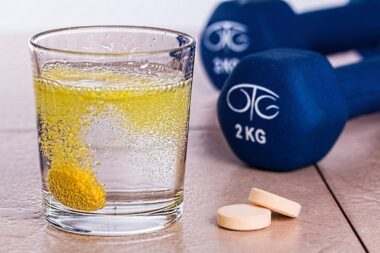
When considering taurine supplementation, precise dosage is crucial to achieving desired effects without adverse outcomes. Typical doses range from 2 to 6 grams per day. For optimal benefits, many athletes choose to take taurine pre-workout, ideally around 30 minutes prior to training. This timing allows for peak levels of taurine in the bloodstream, ensuring it is available to assist with muscle performance and recovery. While taurine is generally considered safe, exceeding recommended dosages could lead to unwanted side effects. Low blood pressure and gastrointestinal issues can occur if taurine is consumed in excessive amounts. Personal health conditions and individual responses should be considered when determining the best approach. Due to variations in how individuals metabolize taurine, some may respond better to lower or higher doses. Monitoring one’s body reactions is critical when starting supplementation. Ultimately, maintaining an adequate and balanced diet, along with structured training, forms the foundation upon which taurine can build on to enhance overall performance. A collaborative effort with healthcare practitioners ensures a safe approach to supplementation.
Combining taurine with a well-rounded nutritional strategy can illustrate its full potential benefits. Adequate nutrition plays an overarching role in athletic performance, especially when engaging in HIIT. Carbohydrates, proteins, and fats work together synergistically, fueling energy demands and recovery. Taurine, when included in this balanced approach, may serve as a powerful enhancer. For example, consuming taurine alongside high-glycemic index carbohydrates may facilitate energy replenishment. Additionally, it’s essential to maintain hydration levels by drinking water or electrolyte fluids, particularly following intense workouts. Electrolyte balance can also affect overall performance and recovery. Some athletes might also consider timing taurine with post-workout nutrition to maximize recovery benefits. This period following exercise is critical for muscle repair and glycogen replenishment. In summary, while taurine shows promise for enhancing HIIT performance and endurance, its benefits are amplified when combined with proper nutrition, hydration, and individualized planning. As with any supplement, combining science-backed approaches and personal insights will yield the best outcomes.
Conclusion: The Future of Taurine Research
In conclusion, taurine is gaining attention for its potential benefits in the realm of endurance and high-intensity training. As research continues to evolve, the understanding of taurine’s role in exercise performance will become more clarified. While current studies demonstrate encouraging findings, further investigation is necessary to establish definitive dosages and mechanisms of action. Researchers are encouraged to explore taurine’s effects not only in well-trained athletes but also among recreational fitness enthusiasts, as their responses may differ. Observing long-term impacts of consistent taurine supplementation will also be vital, determining any enduring or cumulative effects it may have. The intersection of taurine research with other areas of sports science could reveal novel insights into optimizing training techniques and recovery processes. As more information becomes available, it is essential for athletes and fitness enthusiasts to remain informed, discerning when and how to integrate taurine into their routines. Maintaining an evidence-based perspective will ultimately bolster the repertoire of tools available for enhancing performance. As we advance, taurine’s place in the HIIT community will be more defined.
Lastly, while taurine shows potential benefits for HIIT performance, one must remember that supplements are not a substitute for hard work or appropriate training techniques. Skill acquisition and proper form remain paramount in achieving success in HIIT workouts. Furthermore, individual variability makes it vital to approach supplementation cautiously. What works exceptionally well for one athlete could be less effective for another. Therefore, engaging in discussions with coaches, nutritionists, or sports scientists can provide valuable insights tailored to individual fitness journeys. Education about dietary supplements like taurine should be continually prioritized, equipping athletes with the knowledge necessary to make informed choices. Ultimately, the search for optimal performance ensures continuous learning and adaptation. Every athlete’s journey is unique, making personalized strategies essential to unlocking their full potential. In the context of HIIT, integrating taurine effectively within broader nutritional and physical frameworks could support improvements, resulting in long-term success. As interest in supplements grows, so does the excitement surrounding the potential of taurine as part of fitness-related advancements.