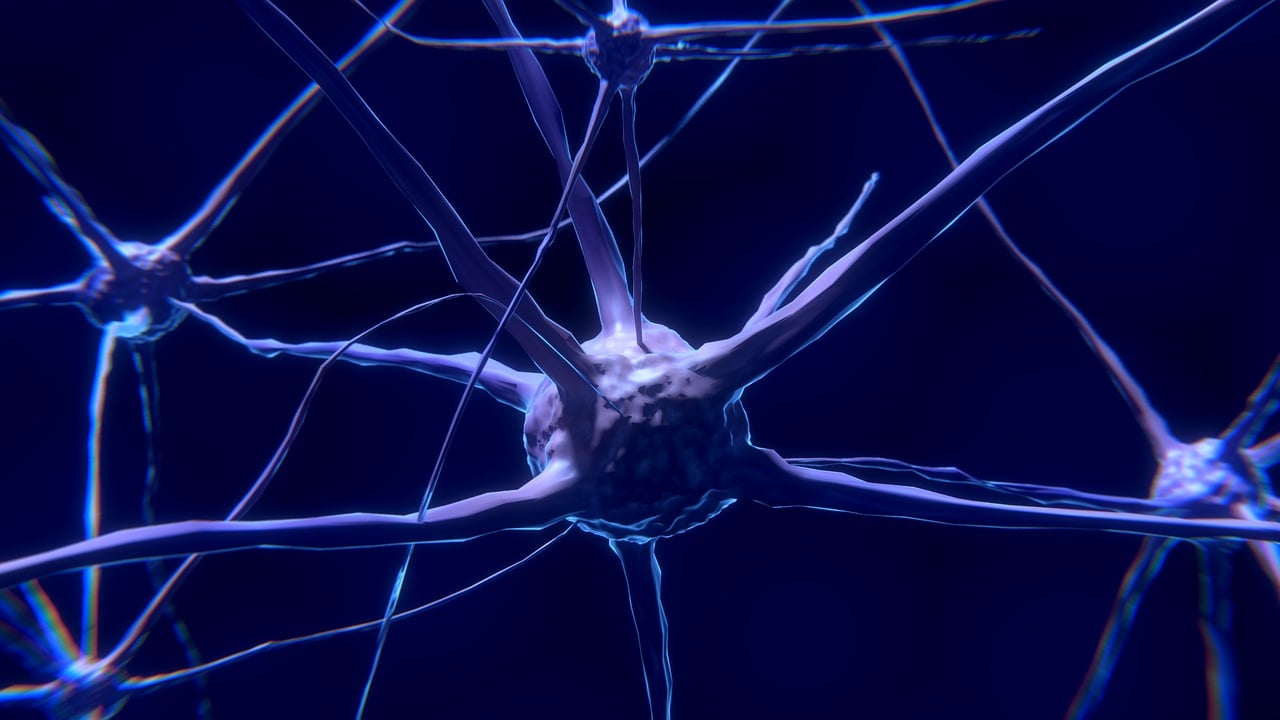

The Role of Neural Control in Gait Biomechanics
Gait biomechanics entails the study of how biological systems move walkers, while neural control plays a vital role in these movements. Each walking cycle involves a complex interplay between muscles, joints, and neural pathways. The brain integrates sensory feedback to adjust joint angles and muscle activities. This ensures that the gait remains efficient and stable. Any disruption to neural control can affect balance, coordination, and stability during walking. Various neural mechanisms exist, such as reflexes and voluntary control, enabling movements to proceed smoothly. Conditioning of these neural pathways can be influenced by factors like practice and experience. The nervous system can modify activity patterns based on sensory input. Therefore, understanding the role of neural control is crucial for rehabilitation strategies targeting gait impairments. Clinicians focus on retraining the neural pathways of patients recovering from injuries or neurological conditions. This approach helps restore functional gait and improves quality of life significantly. The synergy between neural control and biomechanics ultimately defines our ability to walk effectively, reflecting its significance in biomechanics research and applications. Advanced technologies now help researchers measure and analyze these interactions, paving the way for future breakthroughs in gait analysis and rehabilitation.
The intricate interplay between the central nervous system (CNS) and biomechanics reveals how complex gait is. The CNS includes the brain and spinal cord, responsible for processing information and generating motor commands. When an individual walks, the brain sends signals to coordinate movements of the limbs. Neuronal firing patterns are influenced by sensory feedback, which helps the body adjust based on environmental conditions. For instance, when encountering uneven surfaces, the CNS adjusts posture and muscle activation accordingly. Moreover, the peripheral nervous system (PNS) transmits information to and from the brain, contributing to reflex actions that stabilize balance. Also, proprioception plays a pivotal role, allowing individuals to sense the position of their body in space. It assists in maintaining equilibrium while adapting to external disturbances. Axon terminals of sensory neurons are activated during movement, relaying crucial information for balance correction. Research has shown that disruptions in these intricate processes can lead to gait abnormalities or disorders. Consequently, it is paramount to target neural control mechanisms in rehabilitation when addressing gait issues through tailored exercises and interventions aimed at improving stability and mobility.
Joint coordination during gait relies on the neural control provided by the CNS and PNS. Each joint contributes regulated movement for overall fluidity in locomotion. With every step, muscles contract and relax in a highly synchronized manner. The brain utilizes sensory inputs to regulate joint actions, ensuring adaptive responses to changing environments. Coordination is essential to prevent falls and maintain stability. Neuromuscular control is achieved through mixing voluntary control and reflexive actions, enhancing gait efficiency. Studies suggest that gait adaptability can be improved via focused training that challenges and enhances neurological pathways. This therapeutic practice emphasizes re-establishing connections between the brain and muscles, promoting better joint coordination. Proper joint function depends on the precise activation of muscles around each joint, which is guided by neural impulses. Additionally, maintaining a stable center of mass is vital for successful gait biomechanics. The capacity to change speed or direction in gait is also influenced significantly by neural control mechanisms. Interventions targeting neural improvements can facilitate better joint coordination, resulting in enhanced walking patterns. By integrating specific activities, individuals can effectively develop their ability to control gait and increase overall mobility.
The Role of Sensory Feedback in Gait
Sensory feedback is integral to the neural control of gait, allowing the body to process information from the environment and adjust accordingly. Various sensory systems contribute to feedback, including visual, vestibular, and somatosensory inputs. Each sense provides critical information regarding body position and movement within a surrounding space. Sensory input helps to gauge balance, informing muscle adjustments during walking. For instance, when navigating slopes or uneven terrains, visual input aids in planning the subsequent steps. Meanwhile, the vestibular system contributes to balance maintenance, ensuring that individuals do not lose their orientation. Notably, sensory feedback can also influence the timing and coordination of muscle activation. Delays or deficits in processing sensory input can result in gait abnormalities, affecting the individual’s walking efficiency and safety. Rehabilitation programs aim to enhance sensory integration through targeted exercises and tasks, encouraging proper feedback response during gait. Such exercises may include balance training, dual-task activities, and functional mobility training. Outcomes from this approach can lead to significant improvement in gait stability, along with promoting confidence in the ability to walk effectively in diverse environments. Overall, sensory feedback is critical for optimal gait biomechanics.
Research indicates that specific patterns of brain activity significantly influence gait biomechanics at different speeds. Areas of the brain responsible for motor planning and coordination exhibit increased activation as walking speeds vary. This means that changing pace requires the nervous system to adapt rapidly, modifying neural commands to adjust muscle function accordingly. As individuals increase their walking speed, they also need to adjust stride length and frequency. The brain continuously processes visual and proprioceptive cues to maintain balance and stability, emphasizing the complexity of neural control. These physiological adaptations allow for increased efficiency in energy expenditure and muscle recruitment. Research on gait adaptations provides vital insights into the underlying mechanisms governing our movements. Clinicians can develop targeted rehabilitation protocols that consider the neural control specific to walking speeds. Additionally, understanding these variations can lead to enhanced athletic performance by optimizing training regimens. An improved comprehension of speed-related neural adaptations will contribute significantly to therapeutic approaches, helping individuals restore effective gait patterns after injury or disease. Consequently, investigating the links among speed, neural control, and biomechanics opens new avenues for optimizing locomotion strategies.
The relationship between aging, neural control, and gait biomechanics has garnered considerable attention in recent research. As individuals age, various physiological changes can adversely affect their ability to walk. Often, the aging nervous system experiences reductions in nerve conduction speed and alterations in neuronal firing patterns. This decline impacts dynamic balance and postural stability, leading to gait impairments. The combination of muscle weakness, reduced flexibility, and diminished sensory feedback contributes to decreased gait efficiency in older adults. Training programs that focus on enhancing neural control and coordination have proven beneficial in improving gait among seniors. Structured activities such as strength training and balance exercises foster the necessary adaptations to counteract the effects of aging. By stimulating the neural pathways associated with movement, older adults can improve muscle response times, leading to more fluid and stable gait patterns. Furthermore, enhancing proprioceptive feedback supports better step coordination, facilitating safer mobility. Research underscores the importance of adopting preventive measures to maintain gait quality in aging populations. By targeting neural control during rehabilitation, healthcare professionals can help mitigate the risk of falls while improving overall mobility and quality of life.
The Future of Gait Biomechanics Research
Advancements in technology have opened new frontiers in gait biomechanics research, focusing on the intricacies of neural control. Wearable devices, including accelerometers and electromyography, allow researchers to gather real-time data on movement and muscle activity. This quantitative analysis helps identify deviations in normal gait patterns, shedding light on underlying neural control issues. Moreover, motion capture systems are becoming increasingly sophisticated, enabling the exploration of dynamic gait characteristics and neural responses during various tasks. These tools facilitate in-depth examinations of the relationships between biomechanics and neural control, leading to a better understanding of movement disorders. By incorporating machine learning algorithms, researchers can further analyze vast datasets to predict gait impairments and evaluate rehabilitation strategies. Ultimately, translational research efforts will pave the way for new therapeutic interventions that specifically target neural mechanisms governing gait. Innovations such as virtual reality are also gaining attention in gait training programs, providing immersive environments to practice walking strategies. Notably, collaborative approaches among clinicians, engineers, and researchers ensure holistic treatment methods for individuals with gait deficiencies. The future of gait biomechanics promises a richer understanding of neural control, paving the way for novel interventions and improvements in mobility.
In conclusion, the role of neural control in gait biomechanics is multifaceted and crucial for proper walking patterns. Understanding the intricate functions of the nervous system helps identify potential areas for rehabilitation and intervention. It is essential to recognize the interplay among sensory feedback, muscle coordination, and neural pathways. Emphasizing these aspects fosters better outcomes for individuals with gait abnormalities. By utilizing specialized training programs, healthcare professionals can focus on enhancing neural pathways, which in turn supports improved stability and mobility. Future research holds great promise in uncovering new methods for rehabilitation and enhancing mobility solutions. Embracing technological advances further augments our understanding of locomotion. Gait biomechanics research continues to evolve, integrating innovative techniques to address ongoing challenges. Moving forward, interdisciplinary collaboration among experts can yield comprehensive strategies for optimizing gait quality for individuals facing mobility issues. Ultimately, recognizing and addressing the challenges associated with neural control and gait biomechanics can contribute profoundly to improving the quality of life for many individuals. Therefore, continued focus on this vital field will likely lead to transformative interventions, enabling people to maintain their independence and mobility throughout their lives.


