
Achieving Peak Performance in Rowing
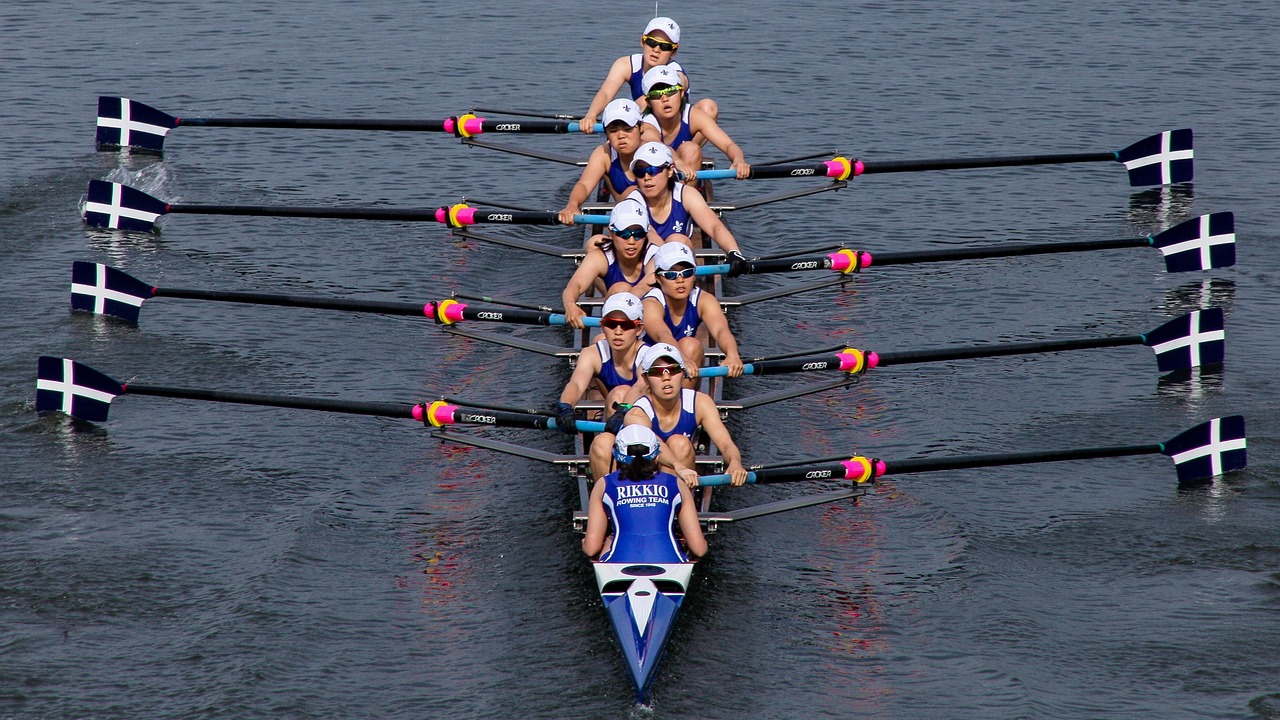
Rowing, an age-old sport, demands exceptional endurance, coordination, and power from athletes. To reach world records, rowers must adopt specific training regimens focusing on various aspects. Conditioning their bodies to withstand intense exertion while maintaining precision is crucial. Athletes typically incorporate endurance training, which emphasizes long, steady-state rows to build a strong aerobic base. Strength training also comes into play, where athletes enhance their muscular power to produce explosive strokes. This involves weightlifting exercises targeting key muscle groups such as legs, back, and core. Furthermore, technique plays a significant role in training, ensuring that rowers execute strokes efficiently. Regular assessments help rowers personalize their training regimens, allowing for optimal performance enhancement. Stretching and flexibility exercises are integral for preventing injuries, allowing for greater range of motion. Nutrition and recovery periods are vital, as they help athletes refuel and recuperate. Finally, mental toughness training is essential for coping with the pressures of competition and pushing boundaries. By developing these facets of their training, aspiring rowers can set and break world records, achieving excellence in their sport while pursuing their dreams.
Conditioning and Strength Training
Conditioning and strength training represent two core pillars in the training regimen of elite rowers. Rowers require substantial cardiovascular endurance as they operate in a demanding environment where every second counts. This could entail extensive periods of steady-state rowing, which fosters aerobic capacity and stamina. Apart from endurance, incorporating interval training into their workouts enhances both speed and power, allowing rowers to sustain higher intensity levels over races. Strength training focuses on developing overall power, essential for producing a powerful stroke to propel the boat. Exercises such as squats, deadlifts, and bench presses build the necessary strength in crucial muscle groups. Rowers often focus on specific movements that mimic the action of rowing, offering additional benefits to their performance on the water. Resistance training using bands or machines can further enhance muscle resilience and adaptability. Core stability is another essential aspect, improving balance during rowing. A strong core enhances the transfer of energy, thus promoting efficiency in techniques. By diligently following these prescribed regimens, rowers can boost their physical capabilities, granting them a competitive edge in pursuit of world records.
The art of rowing isn’t solely about strength and endurance; mental resilience plays a pivotal role. Proper mental conditioning improves focus and determination, skills vital for succeeding at an elite level. Visualization techniques can enhance performance as mental imagery prepares athletes for various race scenarios, aiding in maximizing their potential. Additionally, engaging in mindfulness practices such as meditation helps in reducing anxiety and maintaining composure during high-pressure situations. To cultivate a consistent mental edge, rowers often develop routines that include goal setting and reflecting on past performances to identify areas needing improvement. Psychologists specializing in sports often work with rowing teams to provide tailored techniques that enhance both confidence and concentration. Building a strong mental foundation supports rowers in overcoming challenges during training and competitions alike. Team cohesion is equally important; rowers thrive in a supportive environment that fosters motivation. Building camaraderie amongst teammates can create a positive, competitive ambiance, discouraging complacency. When combined with rigorous physical conditioning, this focus on mental strength becomes a powerful driving force toward achieving world record performances.
Nutrition directly impacts a rower’s performance in training and competitions, making it a central aspect of effective training regimens. Proper fueling is critical, as rowers need to maintain energy levels during prolonged training sessions. A balanced diet rich in carbohydrates, proteins, and healthy fats enhances overall performance. Carbohydrates serve as the primary fuel source, specifically before long training bouts. Meanwhile, protein plays an essential role in recovery, repairing muscle tissue after intense workouts. Additionally, fats contribute to endurance, providing reserve energy during prolonged efforts. Hydration is equally vital, as dehydration significantly hampers endurance and cognitive functions. Therefore, athletes need to maintain fluid intake throughout their activities. Supplementation might aid performance, yet rowers should be cautious and consult nutrition experts to avoid disruptive substances. Meal timing is also critical, particularly consuming wholesome meals pre and post-training. Each rower’s nutritional needs may vary, emphasizing the importance of personalized dietary plans that align with training demands and goals. Ultimately, well-balanced nutrition combined with recognized training techniques can support rowers in breaking records and reaching their highest potential.
Incorporating technology into rowing training can significantly enhance performance outcomes. Many rowers and coaches utilize performance tracking devices such as heart rate monitors and GPS systems to measure physiological responses during workouts. By analyzing real-time data, they identify training patterns for effective adjustments. Additionally, employing video analysis allows rowers to analyze their form and technique, essential for maximizing efficiency and establishing a competitive edge. This advanced feedback leads to improved stroke mechanics and better energy management throughout races. Furthermore, ergometers are widely used in training, simulating the rowing experience while allowing controlled conditions for refining technique. These machines help athletes maintain consistency in sessions, crucial for measuring progress. Coaches can provide immediate feedback using the data generated from these devices, facilitating targeted interventions. Community-based platforms allow rowers to connect and share experiences, fostering collaborative growth and development within the sport. Virtual coaching has also gained popularity, offering professional insights remotely. The incorporation of technology equips rowers with innovative tools that augment traditional training methods, ensuring an all-encompassing approach to achieving world records.
The Role of Recovery in Training
Recovery is as imperative as training, especially for rowers striving for excellence. Proper recovery strategies allow for physiological adaptation, reducing fatigue while preparing athletes for subsequent workloads. Among prominent recovery methods used, active recovery keeps the body engaged while minimizing strain. Techniques such as light rowing or swimming promote blood flow without overexertion. Importantly, rest days are allocated to ensure muscle repair and rejuvenation. Consuming adequate nutrients during these recovery phases is crucial, as they assist in replenishing energy stores. Techniques like foam rolling and massage therapy alleviate soreness, enhancing flexibility and range of motion. Sleep is another critical component that often gets overlooked; quality sleep enhances mental focus and endurance performance. Rowers should aim for restorative sleep durations to optimize recovery processes. Impactful strategies like hydrotherapy can reduce muscle inflammation, aiding in quicker recovery cycles after intense competitions. Emphasizing the significance of recovery alongside training prevents burnout and injury, ultimately supporting rowers in their quest to set world records and maintain long-lasting athletic careers.
Conclusion: The Path to World Records
Achieving a place among the elite in rowing requires a multifaceted approach encapsulating physical training, mental preparation, nutrition, and recovery. Rowers who wish to set world records must adopt structured training regimens tailored to their specific strengths and weaknesses. Embracing new strategies like technology integration offers a vital edge in performance enhancement. While competitors face the same challenges, unique training techniques provide opportunities for differentiation. This journey necessitates unwavering commitment to perfection and continuous improvement. Mental resilience alongside community support can inspire rowers amid the rigors of competition. Furthermore, recognizing the significance of nutrition and recovery reinforces the dedication required to reach optimal performance. In essence, each component of a rower’s training regime interconnects, contributing to the athlete’s holistic development. This synergy ultimately manifests during competitions where mental fortitude and rigorous training culminate in record-breaking performances. With advancements in the sport and the commitment of athletes, the pursuit of rowing world records will remain relentless, embodying the essence of sporting excellence and determination.
The world of rowing is a continuous evolution, with records being shattered by dedicated athletes worldwide. Advances in training methodologies and scientific research have propelled the sport into new dimensions, emphasizing tailored approaches to enhance performance. Therefore, staying informed about new training trends and techniques is prudent for aspiring rowers. This vigilance ensures that they remain competitive at the highest level. In summary, maximizing performance through progressive training regimens, holistic recovery measures, and mental strength enhances the chances of achieving remarkable feats in rowing, including world records. The journey is demanding but carries the promise of personal growth and extraordinary accomplishments.