
Vertical Leap Mastery: Plyometric Techniques for Volleyball Success
To elevate your game in volleyball, mastering plyometric training is essential for players aiming to improve their vertical leap. This type of training focuses on exercises designed to enhance explosive power, which is crucial for effective jumps during gameplay. Plyometrics takes advantage of the stretch-shortening cycle of muscles, allowing volleyball players to harness stored elastic energy efficiently. With a well-structured plyometric program, players can see improvements not just in jump height, but also in overall agility and reaction time. Key drills include box jumps, depth jumps, and bounds that focus on quick ground contact times. Incorporating these exercises into weekly training can build strength, speed, and coordination. Make sure to secure adequate warm-up before commencing, as plyometric workouts demand careful attention to technique to avoid injury. Athletes should aim to keep their movements soft upon landing, utilizing proper biomechanics to protect their joints. Additionally, strength training with weights complements plyometric activities, offering a foundation for enhanced performance. Therefore, combining plyometric drills with strength sessions ensures that volleyball players build a comprehensive skill set essential for success in the sport.
Understanding Plyometric Exercises
Plyometric exercises are characterized by explosive, high-intensity movements that build power, strength, and speed. For volleyball players, these exercises are particularly important because they simulate the jumping demands of the sport. Popular plyometrics for volleyball include tuck jumps, jump squats, and lateral bounds, each targeting different muscle groups vital for a high vertical leap. Tuck jumps help strengthen hip flexors and core stability, while jump squats improve lower body strength. Lateral bounds help in developing side-to-side agility, making them perfect for quick movements on the court. To ensure plyometrics are executed safely, players should start with lower intensity and gradually increase the complexity of the exercises. This methodical approach prevents injuries and promotes optimal muscle adaptation. Maintaining a consistent schedule of plyometric training, along with rest days for recovery, aids in reaching performance goals efficiently. Additionally, engaging in these exercises encourages better neuromuscular coordination. Through practice, athletes will learn to control their body effectively during jumps, leading to improved performance on the volleyball court. This balance between training intensity and technique is crucial for successful plyometric development and overall athletic enhancement.
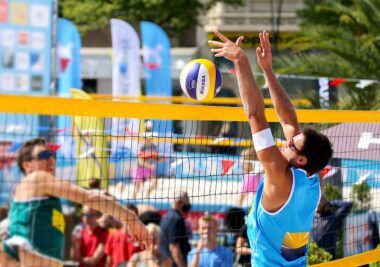
When integrating plyometrics into training, timing plays a significant role in maximizing results. Athletes should consider incorporating these sessions into their workout regimen to coincide with periods of lower intensity, allowing the body enough recovery. This periodization enables the nervous system to adapt, improving explosive movements in volleyball. It is essential to monitor fatigue levels, reducing plyometric workload on days filled with high skill requirements. Furthermore, attention should also be directed towards incorporating adequate nutrition, ensuring that energy levels remain high. Balanced meals rich in protein and carbohydrates provide necessary fuel for this high-intensity training. Hydration before, during, and after workouts plays an essential role in optimizing performance. Develop a individualized hydration strategy based on your body’s requirements to sustain energy levels throughout every session. On the court, players may realize they can achieve a significantly higher vertical jump through coordination and timing, which plyometric training enhances. These factors play a vital role, facilitating efficient jumping mechanics that lead to improved offensive and defensive plays. By aligning both nutritional and physical factors, volleyball players can reach new heights in their game, mastering the art of jumping and overall athletic ability.
Injury Prevention Techniques
A crucial aspect of plyometric training is injury prevention, as high-impact exercises can predispose athletes to various injuries. It is vital for volleyball players to adhere to proper techniques and utilize specified conditioning strategies to safeguard against injuries. Implementing warm-up routines that include dynamic stretches activates the muscles and prepares them for explosive movements. Core stability exercises are equally important, as they reinforce balance and support during jumps, significantly reducing the risk of strains and sprains. Focus on maintaining strict form during each exercise, ensuring that landings are soft, with knees tracking over toes. Some players might benefit from using supportive gear, such as knee braces or ankle supports, during intense training to provide added protection. Gradually increasing the intensity of workouts lends opportunity for adaptation, lessening potential for injuries. Also, listening to your body is essential; if fatigue sets in, it may be time to reduce the volume of energetic plyometric workouts. Incorporate cross-training activities to allow the body to recover while still engaging in conditioning. By focusing on these preventative techniques, athletes can protect themselves and sustain performance levels throughout the competitive season.
Plyometric training does not only enhance physical capabilities but also promotes mental toughness. Volleyball players benefit significantly from developing a strong psychological approach to their training, as mental resilience contributes to athletic excellence. Practicing visualization techniques can help athletes mentally prepare for their plyometric sessions, encouraging them to focus on desired movements and outcomes. Imagining successful jumps during training prepares the body for execution, fostering confidence when it is game time. Incorporating goal setting into plyometric training routines allows players to track progress and stay motivated. Monitoring improvements in jump height and performance directly correlates with increased confidence on the court. Moreover, positive reinforcement after successful training sessions boosts morale, creating a desirable training environment. Athletes should also engage in mindful practices, like breathing exercises, to enhance overall mental focus and concentration. These strategies build a comprehensive athlete capable of tackling high-pressure moments within a game. Additionally, involving teammates in plyometric workouts fosters camaraderie while pushing each other’s limits. Collaborating within a supportive environment promotes personal goals and enhances team dynamics, crucial for volleyball success. Overall, mental toughness is an undeniable component of peak performance.
Consistency and Progression
The key to mastering plyometric training lies in consistency and gradual progression. For volleyball players, adopting a disciplined training schedule will ensure the desired results are achieved. Players should aim for at least two to three plyometric training sessions per week, interspersed with adequate rest periods. This schedule allows time for muscles to recover and adapt while maintaining high levels of performance. Using a training log will help track exercises, repetitions, and any improvements, enabling players to adjust their routines accordingly. Make adjustments as necessary based on progress observed; if drills become easy, consider incorporating more advanced techniques. Experimenting with different variations keeps the workouts fresh and exciting while continuously challenging the body. Additionally, incorporating periodization into the training plan ensures regular adjustments in volume and intensity. This method prevents plateauing and promotes continuous development. Completing plyometric bouts in combination with resistance training ultimately leads to enhanced explosive strength. Players should also include assessments periodically to guide their development, focusing on jump heights and other key performance metrics relevant to volleyball. By adhering to a structured training protocol, volleyball players will reap the benefits of plyometric exercises and enjoy enhanced athletic performance.
In conclusion, plyometric training is an invaluable tool for volleyball players aiming to master their vertical leap and overall performance. Engaging in structured, progressive plyometric routines not only enhances strength and power but also fosters mental resilience and teamwork. Each element of this training contributes significantly to achieving a competitive edge on the court. By understanding the importance of proper techniques and incorporating injury prevention strategies, athletes can safely enjoy the benefits of these workouts. Consistency and dedication remain vitally essential to achieving desired results, promoting elite performance capabilities. One must remember to adjust training loads according to personal adaptability and performance assessments. Collaborating with teammates during plyometric sessions cultivates a supportive training atmosphere, enhancing motivation and results. Moreover, visualizing successful jumping techniques reinforces mental preparation, essential for in-game situations. As players commit to plyometric training, they should embrace the journey, understanding every setback and milestone serves as a stepping stone towards success. The culmination of physical training, mental fortitude, and teamwork promotes not only individual achievements but elevates the entire volleyball team’s capabilities. Therefore, players are encouraged to make plyometrics an integral part of their training regimen.
The Future of Plyometric Training
The landscape of plyometric training continues to evolve as new research emerges and technology advances. Volleyball programs are increasingly incorporating innovative methods such as wearable devices and video analysis to enhance performance metrics. Coaches are now prioritizing the collection of data to tailor plyometric workouts that align with each athlete’s specific strengths and weaknesses. This level of customization allows for a more efficient training process, maximizing each player’s potential. Integration of recovery technologies facilitates optimal training results whilst minimizing fatigue and injury. Trends show a growing interest in incorporating plyometrics within functional training programs to simulate real-game scenarios, improving adaptability during matches. Furthermore, emphasis is being placed on cross-training and incorporating various athletic disciplines into plyometric routines, allowing players to develop agility and coordination. The future of plyometrics in volleyball will likely focus heavily on evidence-based practices, ensuring that routines promote safety while maximizing output. Continuous education and training for coaches will be paramount to keep abreast of new techniques and methodologies. As athletes and trainers embrace these innovations, the advantages of plyometric training will further refine the athletic capabilities of volleyball players, paving the way for unprecedented success on the court.