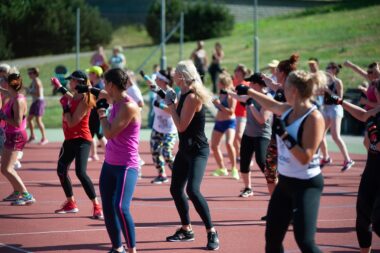

Aerobic Dance Workouts to Improve Flexibility
Aerobic dance workouts are a fun way to improve flexibility while also boosting cardiovascular health. These energetic routines combine rhythmic movements with upbeat music, making exercise enjoyable. Engaging in aerobic dance not only increases your flexibility through dynamic and static stretches but also builds overall strength. When you regularly participate in aerobic dance classes, you can expect to see improvements in body coordination and balance. Over time, these routines help lengthen your muscles, reducing the risk of injuries associated with tightness. Moreover, flexibility plays a vital role in enhancing athletic performance across multiple sports. Incorporating flexibility-focused aerobic dance workouts can support better posture and alleviate tension in tight muscles. Many find that outstanding instructors lead engaging classes, making complex dance moves easier to master. It’s essential to choose a class that fits your fitness level to maximize benefits effectively. You can also utilize online platforms to access a variety of aerobic dance workouts that suit your preferences. These resources ensure you have options to maintain a routine and reach your fitness goals while enjoying the process.
The Benefits of Flexibility in Aerobic Dance
Flexibility offers numerous benefits for those participating in aerobic dance workouts. Increased flexibility can improve blood circulation, enhance muscle performance, and additionally reduce muscle soreness. When muscles are flexible, they’re less prone to injury during rigorous movements. Aerobic dance incorporates various styles, making it easier to stretch while dancing. Moreover, increased range of motion allows dancers to perform moves more fluidly and gracefully. Feeling comfortable and confident in your movements can enhance your overall experience and decrease frustration in learning choreography. Furthermore, the rhythmic aspect of aerobic dance establishes a steady flow to stretches, making them more enjoyable. The endorphins released during these workouts can elevate your mood, contributing to a positive mental state. Dancers of all levels can significantly appreciate this aspect, especially in a group environment. Regular practice fosters discipline while encouraging individual expression. Including elements like yoga or pilates in your workout further emphasizes flexibility benefits. Incorporating a variety of styles into your fitness routine keeps things fresh. Finally, these workouts can easily fit into any schedule, making flexibility development accessible to all.
Aerobic Dance Styles to Try
Many exciting aerobic dance styles can contribute to improved flexibility. Zumba is one of the most popular forms, combining Latin and international music with dance movements that maintain cardiovascular strength. The seamless transition between steps not only elevates your heart rate but also provides opportunities for muscle elongation. Hip-hop dance is another engaging choice, characterized by dynamic movements that offer a full-body workout. Learning the intricate steps involved can enhance flexural fitness as diverse ranges of motion are required. Ballet or jazzercise integrates classical techniques with aerobic elements, effectively targeting flexibility through structured routines. Each participant can find a style that captures their interest, ensuring consistency in practice. Additionally, many fitness studios offer fusion classes that blend multiple dance genres. This keeps routines versatile, challenging, and suitable for different fitness levels. Consider sampling a few classes to discover which resonates best with your personal preferences. Online workout videos are also available for various dance styles, providing endless options for home practice. To spice it up, incorporate themed dance evenings for additional motivation and socializing opportunities.
Before beginning any aerobic dance workout, it’s vital to warm up properly to prevent injuries. A good warm-up routine should include light cardio exercises to increase your heart rate and dynamic stretches to prepare your muscles. Gentle neck rolls, leg swings, and arm rotations can help loosen tight areas before diving into more intense moves. For maximum benefit, spend at least 10 minutes on this crucial step. Always listen to your body during workouts, and adjust your movements accordingly. Focus on accurate form rather than speed, which is essential for injury prevention. When engaged in aerobic dance, take time to explore your body and its capabilities. Notice how different variations of movements can enhance flexibility. You may find certain stretches more effective based on your body structure. Remember to utilize your breath effectively, as it can significantly impact fluid movement. Hydration is also key when participating in vigorous aerobic dance routines. Keeping a water bottle nearby ensures that you remain refreshed. After concluding your workout, dedicate time to cool down, reinforcing muscle elasticity and a relaxed state while celebrating progress toward your flexibility goals.
Incorporating Strength Training
Integrating strength training with aerobic dance workouts can further improve flexibility. Strengthening exercises target various muscle groups and provide stability needed for effective dance movements. Resistance training promotes muscle balance, while also enhancing overall flexibility. By building strength in your core, legs, and arms, you’ll notice improved control, allowing for deeper stretches. Pairing resistance exercises like lunges and squats with aerobic dance routines creates a more comprehensive workout regimen. These combined workouts enhance physical fitness while increasing mobility. Strength training can also lead to better posture, which is essential for fluid dance movements. To sculpt lean muscle without compromising flexibility, consider using lighter weights with higher repetitions. Pilates and yoga can complement your aerobic dance. Engaging in these practices cultivates long, lean muscles while boosting overall strength in your dance routine. It’s important to approach strength training gradually, focusing on quality repetitions over quantity. Engage a certified trainer if needed to help establish a personalized routine. With time and consistent practice, you can discover significant improvements in flexibility and overall readiness on the dance floor.
Maintaining a balanced diet is equally essential for optimizing your aerobic dance workouts. Proper nutrition supports your energy needs during high-intensity sessions and aids recovery after workouts. A diet rich in whole foods, such as fruits, vegetables, lean proteins, and whole grains, ensures your body receives nutrients required for effective muscle function. Additionally, incorporating healthy fats can help combat inflammation and support long-term joint flexibility. Focus on magnesium and calcium-rich foods to promote muscle health and elasticity. Staying hydrated throughout the day also plays a role in supporting flexibility levels, so target adequate water intake pre- and post-workout. Listening to your body’s hunger cues ensures that you provide adequate fuel while preventing unwanted fatigue during aerobic dance sessions. Establishing a meal plan that aligns with your dance routine strengthens your commitment and drives results. Planning healthy snacks is advantageous for energy boosts and sustaining metabolism. Keep nuts, seeds, and fruits handy for quick replenishment. As you honor your body with nutritious choices, the benefits will reflect in your enhanced flexibility and overall performance during your dance workouts.
Conclusion and Final Tips
In conclusion, improving flexibility through aerobic dance workouts can lead to a multitude of benefits, greatly enhancing your overall fitness. Incorporating aerobic dance into your routine can transform your physical abilities while making fitness enjoyable. Always remember to prioritize warm-ups and cool-downs to maximize the effects of your workouts. Experiment with various dance styles and find those that resonate most with your interests, keeping engagement high. Remember that consistency is fundamental for the best results; try to maintain a regular schedule. Pairing aerobic dance with strength training and focusing on nutrition creates balanced workouts. Effective techniques include taking adequate hydration and practicing mindfulness during sessions. It’s often helpful not to compare your progress with others but instead focus on your journey. Invest in proper dance shoes to support your movements, increasing comfort and reducing injury risks. With time and commitment, you will experience enhanced flexibility and coordination while enjoying the camaraderie of dance classes. Set achievable goals, celebrate your accomplishments, and most importantly, have fun as you dance toward improved flexibility.