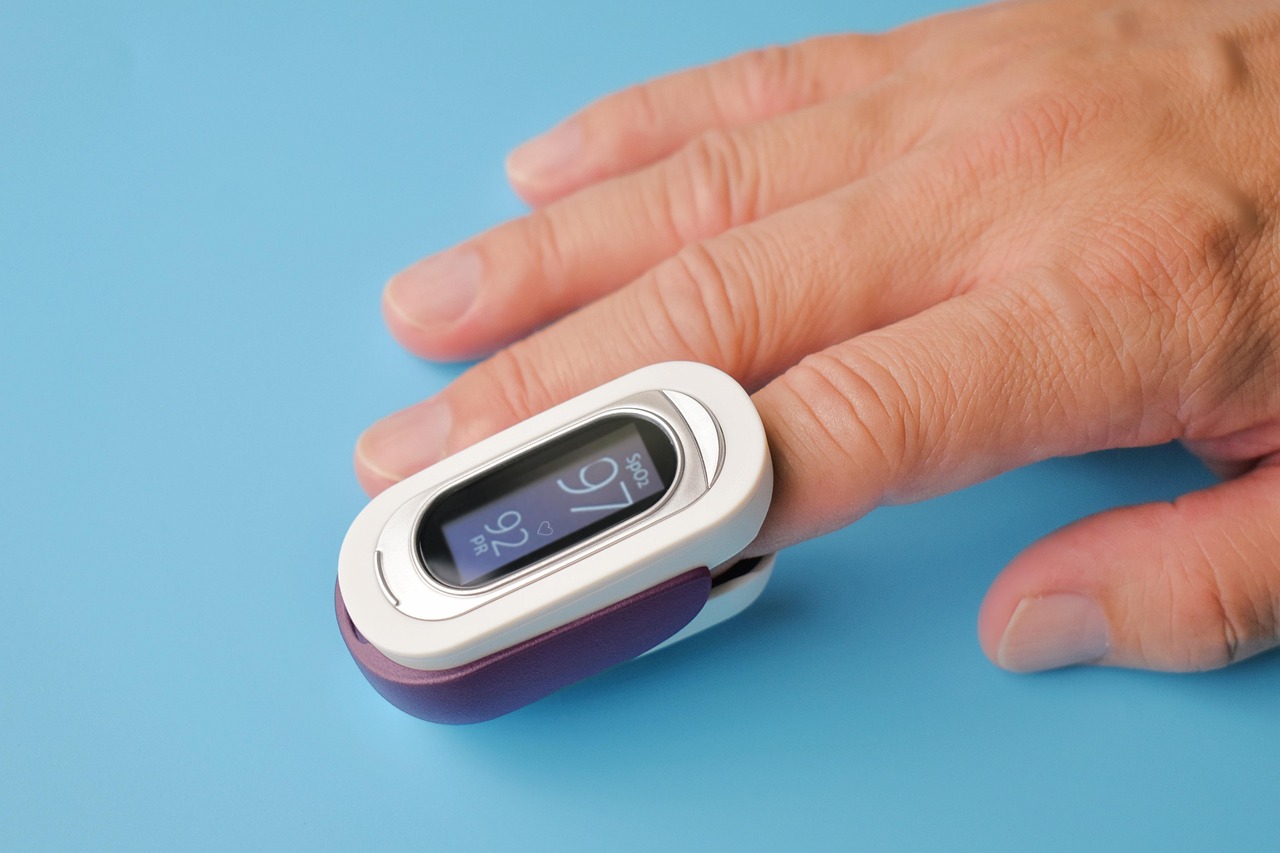

Understanding Blood Oxygen Fitness Wearables
Blood oxygen fitness wearables provide valuable insights into your health and performance. As fitness technologies evolve, these devices offer users the advantage of realtime monitoring. Knowing how much oxygen your body can utilize during exercise is crucial, especially for athletes and serious fitness enthusiasts. These wearables promote not only fitness but also health and wellness awareness. Blood oxygen levels can indicate your body’s efficiency in transporting oxygen and manufacturing energy. This is particularly important for high-intensity workouts and endurance training. When choosing a device, accuracy becomes the most critical feature. Devices must provide precise oxygen saturation readings to evaluate your performance effectively. In addition to accuracy, ease of use is vital. Users should be able to wear these devices comfortably throughout their workout sessions. Another critical aspect is battery life; durable devices can last through multiple workouts without needing frequent recharging. Finally, consider the app integration that comes with these wearables. Quality applications can analyze trends in your oxygen levels and provide insights and recommendations for improvement.
Key Features to Look For
When purchasing a blood oxygen fitness wearable, prioritize certain features to enhance your experience. First, ensure that the device includes an accurate pulse oximeter. These components are essential in measuring blood oxygen levels effectively, which can be crucial for monitoring your health. Additionally, verify whether the wearable targets specific fitness activities like running or cycling. Tailored features can provide more relevant data for your workouts. Comfort and fit are also essential; a device should fit snugly on your wrist without causing any discomfort. Related to this is water resistance; a wearable that can withstand splashes during workouts or even while swimming adds significant value. Furthermore, consider battery life; longer-lasting devices reduce the need for frequent recharging and unexpected interruptions. Connectivity features such as Bluetooth allow wearables to sync with smartphones or tablets for easy data transfer and enhanced interaction. A user-friendly app interface for viewing your data is also vital, and cloud storage capabilities for tracking long-term trends can aid goal setting. Lastly, check for additional features like GPS tracking and heart rate monitoring, which enrich your fitness analysis.
The Importance of Real-Time Monitoring
Real-time monitoring is one of the standout features of blood oxygen fitness wearables. This capability allows users to observe their oxygen levels as they engage in various activities. Monitoring your blood oxygen levels during workouts helps understand your performance and assess your limits. This feature offers immediate feedback, enabling users to adapt their routines on the fly for optimal results. For instance, if your oxygen levels drop, you may need to adjust your activity intensity or take a breather. Moreover, awareness of real-time data decreases the risk of overexertion, which could lead to health complications. Additionally, real-time analytics help athletes optimize their training by enabling them to work at maximum efficiency. The immediacy of this monitoring empowers users to take proactive steps regarding their health. This knowledge is ideal for anyone seeking to achieve peak performance in their fitness journeys. While some older models may lack this capability, modern devices typically include it as a standard feature, greatly enhancing their value. In summary, real-time monitoring not only informs but can be life-saving for those engaging in strenuous physical activity.
Battery life is another important feature to consider when examining different blood oxygen fitness wearables. As the technology continues to evolve, the efficiency of battery management has improved significantly. However, some devices can still drain quickly, especially when they are continuously measuring blood oxygen levels and syncing data. Users should seek wearables offering at least several days to weeks of usage on a single charge. Additionally, pay attention to the charging method. Some devices come with convenient magnetic chargers, while others may use traditional connectors, which can be cumbersome. While comparing different models, also check user reviews for real-world battery performance; manufacturer claims can often differ from actual experiences. Efficient battery life translates to uninterrupted usage during workouts and for daily monitoring, which can be crucial for those on strict training regimes. Recurring charging interruptions can hinder progress, especially for serious athletes and fitness enthusiasts. By focusing on battery longevity, users can select wearables that align with their lifestyle and workout frequency, ensuring their devices are ready whenever needed for performance analysis.
Another essential aspect to consider is data accuracy and reliability in blood oxygen fitness wearables. Devices need to provide accurate pulse oximetry readings to ensure users can make informed fitness decisions. Check for certifications or reviews that validate the accuracy of a device before making a purchase. Some wearables offer clinically validated algorithms that report precise data. However, it’s essential to remember that certain factors can affect reading accuracy. These factors can include motion artifacts, skin pigmentation, and temperature effects. Hence, users must ensure they understand the limitations of the device to avoid misinterpretation of results. Beyond accuracy, data reliability over time is critical; repeated use should yield consistent readings under similar conditions. Many wearables now include features to record historical data trends, which can provide insights into your fitness journey. Users should leverage such functionality to look for patterns in their performance metrics. Consistent monitoring of blood oxygen levels can help adapt training programs tailored to individual needs while enhancing overall performance efficiency.
Integration with smartphones and fitness apps is essential for blood oxygen fitness wearables today. The ability to sync data to your phone enables a holistic view of personal health metrics. Many devices have dedicated applications that allow users to explore their data in detail, creating a complete profile of workout habits over time. Look for wearables that offer hundreds of data points for analysis through comprehensive dashboards. Rather than simply presenting numbers, these apps often provide graphical representations of your progress, making the data more digestible. Furthermore, along with fitness metrics, high-quality apps often incorporate additional features like social sharing capabilities and personalized workout recommendations. Users can share their successes with friends or join community challenges, adding a social aspect to their fitness journey. In addition, many wearables allow for integration with other fitness applications, supporting a comprehensive health and wellness ecosystem. The flexibility and adaptability of this functionality can greatly enhance user experience, promoting a more engaging and community-focused approach to fitness and health tracking.
Finally, consider the overall design and aesthetics of blood oxygen fitness wearables. With increasing options available on the market, aesthetics also play a crucial role in the purchasing decision. Many users desire a stylish device that complements casual and formal wear alike. Thankfully, many brands now offer customizable bands and face designs to suit personal preferences. While functionality is paramount, being fashionable is also appealing. Comfort and usability must not be sacrificed for style; an ideal wearable should fit seamlessly into your style. Additionally, look for materials that are both durable and hypoallergenic, as some users experience sensitivities to certain materials. The weight of the device is also essential; a lighter device is preferable for extended periods of wear. Consider viewing the wearable on the wrist before committing, if possible. Users should also check product range and styles, as the latest models often push aesthetic boundaries. Ultimately, selecting a device that aligns with personal style and comfort enhances overall satisfaction and can make the daily usage of wearables more enjoyable.