
Historic Venues That Shaped Obstacle Course Racing
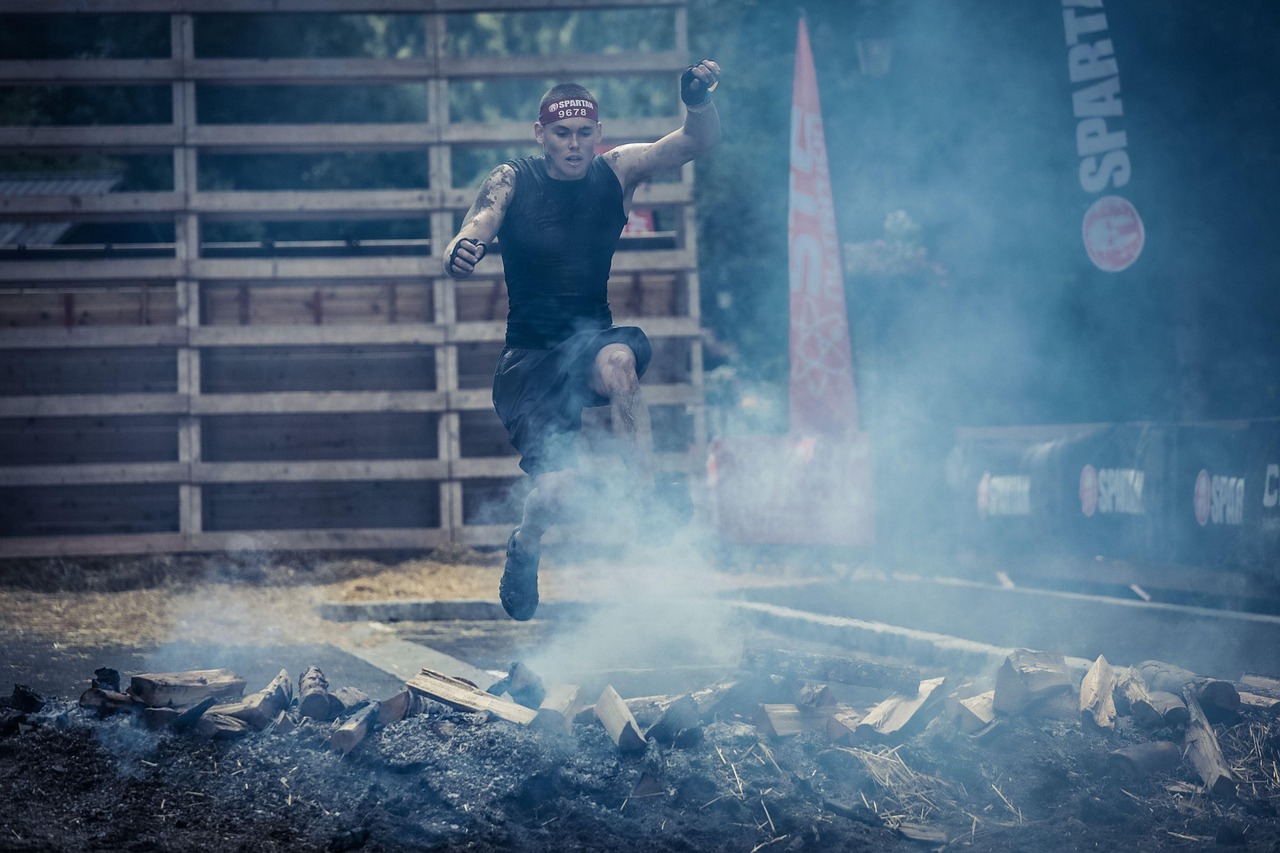
Obstacle Course Racing has evolved significantly through time, greatly influenced by various iconic venues. One of the first venues that played a pivotal role in the sport was the Tough Mudder, which originated in 2010. This event took place on challenging terrain, incorporating elements like mud, water, and innovative obstacles. It drew in participants from all walks of life, fostering camaraderie. Additionally, the Spartan Race, first held in 2005, emerged as another influential venue, boasting its unique blend of endurance and skill challenges. Its distinctive, competitive format helped elevate the sport’s status. These events not only tested physical endurance but also promoted mental resilience, creating an engaging and enjoyable experience. These races were renowned for their community vibes, attracting athletes and casual participants alike. Such venues proved to be critical as they showcased the excitement and intensity of Obstacle Course Racing, helping the sport to gain popularity. The successes of Tough Mudder and Spartan Race inspired many aspiring racers to participate, thereby contributing to its continuous growth and development in athletic circles across the globe.
The late 1970s and early 1980s were when obstacle courses became popular as training facilities for special forces. Iconic military training grounds, like those used by the U.S. Navy SEALs, started featuring rugged courses that tested soldiers’ strength and endurance. These rigorous courses were instrumental in shaping the early format of modern obstacle races. Within these military settings, physical challenges refined by soldiers inspired event organizers. Venues adapted these challenging elements into civilian competitions, which arranged themselves as thrilling and entertaining. Popular obstacle courses flourishing later employed ideas from these foundational military training grounds, creating an initial competitive format for enthusiasts. These new civilian races emphasized personal improvement and social interaction. As the years progressed, many venues capitalized on this trend, leading to a boom in public participation across various age groups and physical abilities. Integrating natural landscapes amplified the appeal, enabling participants to reconnect with nature. Therefore, the transformation of military courses into local racing events contributed to a burgeoning interest in obstacle racing as an engaging competitive sport that fostered community values.
The Role of Iconic Venues in the Evolution of Obstacle Racing
In recognizing the significance of various venues on obstacle course racing, we must also celebrate locations that showcased the diversity of challenges. Notable locations quickly emerged, including the World’s Toughest Mudder, known for pushing boundaries. This event, held annually in Las Vegas for over a decade, redefined endurance challenges, with racers facing extreme weather conditions. Other venues, like the Warrior Dash, established fun themes and colorful atmospheres that attracted families as well. This competitive but fun spirit is often highlighted in events organized at this venue, allowing diverse participants to experience the thrill of racing. Similarly, events like the OCR World Championships create a platform for global competition, uniting diverse obstacle racing enthusiasts worldwide. This sense of international camaraderie not only fosters personal achievements but also emphasizes the sport’s evolving nature. Key venues that host championship events further enhance the sport’s legitimacy and recognition. Therefore, these iconic venues play a crucial role in guiding the development of the sport while enticing participants of all abilities to compete and have fun.
Another essential venue was the epic Battlefrog, which emerged in 2014 and quickly gained popularity. It featured a unique set of obstacles that appealed to both competitive athletes and casual participants. The company focused on providing a diverse range of challenges that emphasized agility, strength, and teamwork. This approach not only created engaging experiences but also fostered a sense of camaraderie among participants. Additionally, Battlefrog’s innovative obstacle designs inspired numerous races to adopt similar ideas, thereby contributing significantly to the evolution of obstacle course racing. Meanwhile, the local community embraced these events, leading to a growth in participation. The cooperative atmosphere of the races encouraged friendships and motivated participants to return for future events. Such venues became focal points for building relationships and a sense of belonging within the racing community. Moreover, the impact of the Battlefrog race goes beyond local events; its design influenced races nationwide. This creative legacy of Battlefrog demonstrates the importance of specific venues that help shape not only the sport but also the culture surrounding obstacle racing.
Cultural Impact of Obstacle Course Racing Venues
As more venues emerged, their cultural impact grew exponentially. The increasing popularity of events like the Color Run, held globally, transformed expectations of fun and excitement in obstacle races. By integrating color-themed obstacles, the races expanded their reach to various demographics, primarily targeting families and first-time participants as well. This approach emphasized inclusivity and fun while maintaining a community-driven spirit. Additionally, the rise of virtual races showcased the adaptability of obstacle racing venues, allowing participants to compete remotely. This innovation connected thousands of racers worldwide, enabling racing experiences from the participants’ homes or local areas. Consequently, these innovative options further consolidated the growing influence of obstacle course racing venues worldwide. Meanwhile, events in exotic locations such as tropical beaches or scenic mountain ranges provided new and exhilarating racing experiences. These unique settings not only showcased the thrill of outdoor racing but also allowed participants to enjoy the beauty of nature while competing. Thus, the cultural significance of these venues continues to contribute to the sport’s overall appeal, inspiring new generations of racers.
Engagement with such events also increased during the pandemic, leading to the rise of creative solutions and exciting experiences. Virtual challenges emerged, encouraging participants to share their accomplishments online, fostering a sense of community despite physical distance. Venues adapted their offerings to accommodate an expanding audience’s desire for innovative engagement. This new approach highlighted the resilience of obstacle course racing’s community spirit in overcoming challenges during uncertain times. At the same time, traditional venues began incorporating hybrid events that combined in-person racing with online participation, further elevating the craft of competitive racing. This adaptability reflects the evolution of the sport as it continues to grow and innovate, even in the face of significant challenges. Events such as the OCR World Championships exemplify this evolution, showcasing the diverse abilities of racers at competing venues around the globe. As the sport continues to reinvent itself, participants eagerly await the next innovative challenge. Therefore, the evolving landscape of obstacle course racing reflects a vibrant community dedicated to preserving the thrill of competition and creating unforgettable experiences.
The Future of Obstacle Course Racing Venues
As we look to the future, it is essential to consider how these iconic venues will continue to shape Obstacle Course Racing. The emphasis on environmental sustainability has already begun to influence race organizers and venue operators. Participants are increasingly seeking races that balance environmental impact with the thrill of competition. Consequently, many venues are implementing eco-friendly practices, creating engaging courses without harming nature. This focus on sustainability can further elevate the appeal of races and attract environmentally conscious participants, expanding the community. Moreover, emerging obstacle technology will likely play a crucial role in race design. Interactive and technologically advanced obstacles are gaining traction, pushing the boundaries of traditional race formats. Additionally, partnerships between racing organizations and technology companies can facilitate the development of new equipment and experiences that enhance previous challenges. The merger of technology and obstacle racing can also broaden the audience, making events more engaging and entertaining. As such, the future of obstacle course racing is bright, with venues evolving to become more inclusive, environmentally conscious, and innovative, serving a diverse range of participants.
In summary, the history and evolution of obstacle course racing can be greatly attributed to the iconic venues that host these events. From Tough Mudder’s muddy terrains to the vibrant atmospheres of the Color Run, these venues have played invaluable roles in shaping and popularizing the sport. Milestones such as the emergence of military-inspired challenges and new innovative concepts have further propelled the sport’s growth. Each venue has contributed its unique aspect to the diverse world of obstacle course racing, creating thrilling experiences for participants. As we continue to see the rise of new venues and obstacles, there is no doubt the sport will keep expanding its reach. By welcoming participants from all backgrounds, it fosters a sense of community, courage, and friendship that brings people together. Thus, new generations of athletes will continue to participate in these races, driven by their love for pushing boundaries and overcoming challenges. The future of obstacle course racing is undoubtedly bright, as venues evolve and adapt to the changing landscape, promising exhilarating experiences to everyone involved.