
How Inline Skaters Can Strengthen Their Core to Avoid Injuries
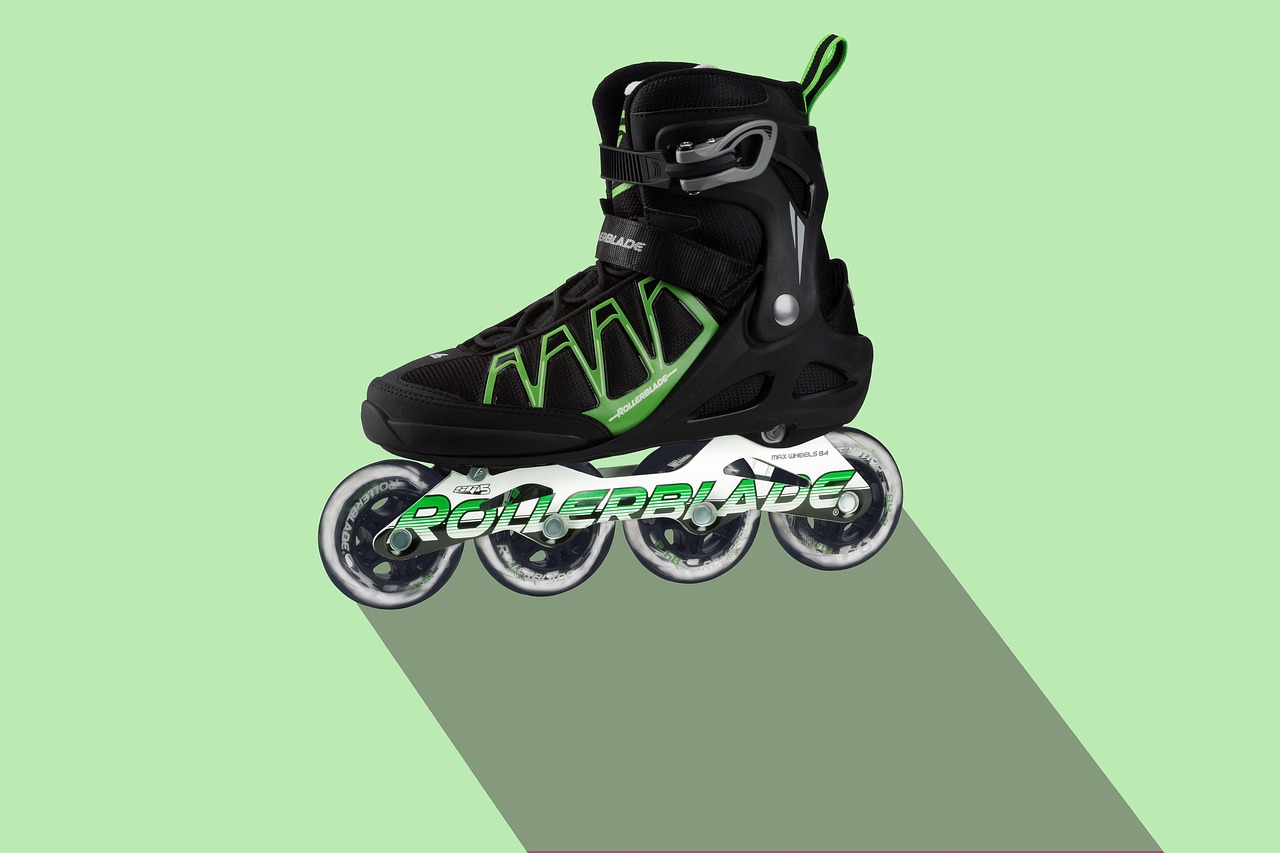
Inline skating requires balance, agility, and strength. One of the most crucial aspects of skating is having a strong core, which provides stability and support during movements. A weak core can lead to poor posture, limited movement efficiency, and an increased risk of injuries such as falls or sprains. By focusing on core strength, inline skaters can significantly enhance their performance and reduce the likelihood of injuries. Incorporating core exercises into a regular training routine is essential for skaters of all skill levels. These exercises not only help in stabilizing the body during skating but also improve overall endurance and flexibility. Core strength impacts not only skating performance, but also contributes to better balance and coordination. Skaters of different ages and skill sets should prioritize these exercises, tailoring their routines to meet specific personal fitness goals. Skaters can use various techniques to engage and strengthen core muscles effectively. Such techniques can lead to increased confidence and enjoyment on the skating rink. Emphasizing core training is vital for long-term athletic success and injury prevention in inline skating scenarios.
Understanding Core Muscles
The core includes several muscle groups, such as the rectus abdominis, obliques, and transverse abdominis. These muscles work together to stabilize the pelvis and spine, playing a fundamental role in body mechanics during skating. A strong core enables skaters to maintain better balance, control their movements, and execute various tricks or turns with greater precision. Furthermore, a stable core helps in performing advanced maneuvers successfully, enhancing the thrill of inline skating. When core muscles are strong, the skater can shift their weight easily, react quicker to obstacles, and avoid falls. Additionally, emphasizing core strength can help alleviate stress on the lower back and legs during skating activities. Skaters who neglect core training may experience fatigue and discomfort, leading to possible injuries. A focus on developing core strength essentially prepares skaters for more intense skating sessions. Skaters can enjoy extended skating durations without undue fatigue or injury when their core muscles are well-conditioned. Thus, integrating core-strengthening workouts into the training regimen is vital for achieving optimal skating performance and preventing injuries.
To effectively improve core strength, inline skaters can incorporate a diverse set of exercises. Planks, bridges, and Russian twists are fantastic choices that target multiple core muscles simultaneously. These exercises can be modified to suit varying skill levels, making them accessible to beginners and advanced skaters alike. Performing planks requires skaters to maintain a stable posture, strengthening the abdominal region comprehensively. Bridges help engage the glutes and lower back while enhancing overall core stability essential for skating. Russian twists involve rotation of the torso, which helps develop oblique strength crucial for maintaining balance during turns. Additionally, performing exercises like bicycle crunches or leg raises can further enhance core engagement for skaters. To maximize effectiveness, it’s recommended that skaters include at least two to three core workout sessions weekly in their training plans. Each exercise should be accompanied by the correct form and technique to optimize results and avoid injuries. Combining these workouts with agility and balance drills provides comprehensive improvement. Inline skaters should approach core training as a core element of their overall fitness strategy, promoting longevity in the sport.
Incorporating Flexibility Training
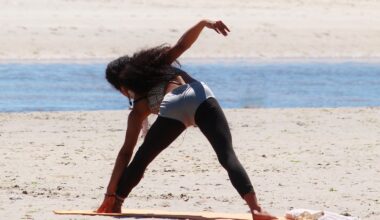
Besides strengthening the core, flexibility plays a vital role in improving skating performance. Inline skaters should regularly engage in stretching routines to enhance flexibility and prevent injuries linked to muscle tightness. Many skaters overlook stretching, but it is essential for maintaining optimal muscle health. Flexibility allows for a more significant range of motion, which translates to smoother movements on the skates. Dynamic stretches, targeting the core, legs, and hips, can effectively prepare the body for skating. Effective stretching routines can include hamstring stretches, quadriceps stretches, and hip openers. Targeting these areas not only benefits core strength but also ensures that surrounding muscles are agile and prepared for skating activities. Incorporating yoga or Pilates can also enhance flexibility while reinforcing core stability. These disciplines blend strength and flexibility training, making them advantageous for skaters. Practicing these methods improves postural alignment and muscle coordination while also helping skaters prevent injuries. Additionally, proper post-skating cool-down routines involving stretching can help reduce muscle soreness and enhance recovery. Committing to flexibility training is thus crucial for inline skating enthusiasts to keep enjoying their sport safely.
Injury prevention goes hand in hand with strengthening the core and improving flexibility. Inline skaters must focus on proper technique and body mechanics during their skating routines. Practicing good form decreases the risk of injuries such as sprains, strains, and falls. It’s encouraged to take skating lessons or consult with experienced instructors for skill development and technique refinement. Understanding how to position the body correctly while skating is vital for effective weight distribution and balance. Regular practice and patience are crucial; skaters will notice improvements to their skills over time. Wearing appropriate skating gear, including helmets and pads, provides additional safety during training sessions and practice runs. Furthermore, it is recommended to skate in a safe environment, away from hazards that could lead to accidents. Ensuring that the skating surface is smooth and free of obstacles can significantly reduce injury risk. Skaters should also be mindful of their cardiovascular fitness, as a well-conditioned heart and lungs enhance endurance and stamina while skating. This comprehensive approach toward injury prevention enables inline skaters to enjoy their passion while minimizing risks through consistent training and improved techniques.
Monitoring Progress and Adapting Training
As inline skaters engage in core strengthening and other routines, it becomes essential to monitor progress consistently. Keeping track of workouts, techniques, and performance will provide insights into areas of improvement and adjustment needs. Implementing a training log can help skaters record their core exercises, flexibility routines, and skating practice. This data can guide changes in training intensity or frequency depending on their progress. Regular self-assessment will allow skaters to identify their strengths while recognizing areas that require focus. Additionally, setting achievable, realistic goals, such as increasing the duration or intensity of workouts, aids in maintaining motivation and dedication. Seeking feedback from coaches or peers can also offer valuable perspectives on technique and performance. Skaters should not hesitate to adjust their routines if they experience discomfort, fatigue, or any signs of injury. Incorporating rest days into the training plan is crucial to aid recovery and prevent burnout. In conclusion, inline skaters must prioritize both strength and flexibility. They should foster safe practices, monitor their progress, and adapt training as needed to avoid injury while enjoying inline skating to the fullest.
Ultimately, inline skating should be a source of joy and creativity, enabling practitioners to express themselves through motion. To keep inline skating enjoyable—and safe—it is opportune for enthusiasts to build a solid fitness foundation focused on core strength, flexibility, and awareness of their body mechanics. Investing time in a balanced training regime, inclusive of appropriate exercises, stretching, and safety practices will empower skaters to achieve their desired goals. Drawing upon resources, support from the skating community, and guidance from professionals can create a fulfilling journey in inline skating. Consistent training and responsible practices should ensure not only improved performance but also heightened confidence and longevity in the sport. Furthermore, inline skaters serving as role models can inspire new practitioners to develop interest and dedication to skating. Through sharing knowledge and experiences, they contribute to a vibrant skating culture. As every skater continues their path, the combination of fun and fitness is central to the enhancement of overall well-being. Prioritizing core strength encourages sustainable performance and paves the way for exciting adventures on wheels.
Embracing a Healthy Lifestyle
Inline skating can have a remarkable impact on overall health and fitness. By adopting a holistic approach that includes strength training, flexibility routines, and appropriate recovery practices, inline skaters can amplify the benefits of this popular sport. Physical activity like skating promotes cardiovascular health, muscle strength, and better mental well-being. It is also vital for skaters to maintain a balanced diet rich in nutrients to fuel their activities. Consuming adequate amounts of protein, vitamins, and minerals supports muscle recovery and performance, aiding the core strengthening process. Additionally, hydration is key to ensuring optimal performance during skating sessions. Keeping the body well-hydrated helps prevent fatigue and maintains energy levels. Inline skaters should also consider incorporating cross-training activities, such as swimming or cycling, which can provide additional fitness benefits. This diversity keeps workouts engaging while supporting their overall athletic journey. Engaging in community events, competitions, or social skating can foster camaraderie and motivation among skaters. In summary, inline skating, when practiced mindfully and with attention to physical health, opens up a world of opportunities for vitality and fulfillment.