
The Importance of Protein in Strength Training and Weight Loss
Weight loss is a complex process that requires an understanding of various factors, one of which is nutrition. Among the different nutrients, protein plays a crucial role in both strength training and weight loss. Adequate protein consumption is essential for anyone looking to lose weight while maintaining muscle mass. When engaging in strength training, your muscles experience tiny tears, and protein aids in repairing and rebuilding these muscles, ultimately leading to increased strength and performance. Additionally, a higher protein intake can help manage hunger levels, making it easier to adhere to a caloric deficit. Protein not only promotes muscle repair but also contributes to the metabolic processes related to weight loss. It can provide a sense of fullness, thereby reducing overall calorie consumption. Effective weight management often involves incorporating protein-rich foods, such as lean meats, fish, legumes, eggs, and dairy into your diet. These foods not only aid in muscle maintenance but also support other bodily functions. Understanding the importance of protein is essential not just for strength training enthusiasts but anyone pursuing a successful weight loss journey.
Incorporating protein into your daily routine can also provide significant benefits beyond muscle repair. When you consume sufficient protein, your body has the necessary building blocks to create enzymes and hormones, which are pivotal for various bodily functions. Increased protein intake can lead to improved immune function, energy levels, and overall well-being. Additionally, protein boasts a higher thermic effect than fats or carbohydrates, meaning that your body burns more calories while digesting and metabolizing protein-rich foods. This thermogenic effect can aid in supporting your weight loss goals over time. Including a variety of protein sources means that you can enjoy a wider range of flavors and textures in your meals. Some excellent sources of protein include chicken breast, fish, tofu, yogurt, and legumes. Moreover, protein shakes or bars can be convenient options, especially post-workout when your body craves nutrients for recovery. They can be an efficient way to increase your protein intake while maintaining dietary flexibility. Therefore, recognizing the multifaceted benefits of protein can significantly impact both strength training performance and effective weight management.
How Protein Affects Muscle Recovery
After an intense strength training session, the body enters a repair phase where muscle growth occurs. This phase heavily relies on the availability of protein and essential amino acids. Consuming protein after workouts helps reduce muscle soreness while speeding up recovery, which is crucial if you’re training regularly. Without adequate protein, your body can take longer to recover, leading to fatigue and decreased performance in future workouts. Timing plays a critical role in protein intake, with many experts recommending consumption within the “anabolic window” or approximately 30 minutes to two hours post-exercise. When protein synthesis takes place, your body effectively utilizes these proteins to repair and grow muscle tissues. You can choose simple protein snacks, such as a protein shake or a Greek yogurt, to help fulfill these post-workout needs. Focus on combining carbohydrates with your protein intake for optimal recovery, as carbohydrates help replenish glycogen stores and enhance muscle recovery. Ensuring that your post-workout nutrition includes protein is essential to maximizing your strength training results and preventing muscle loss while on a weight loss journey.
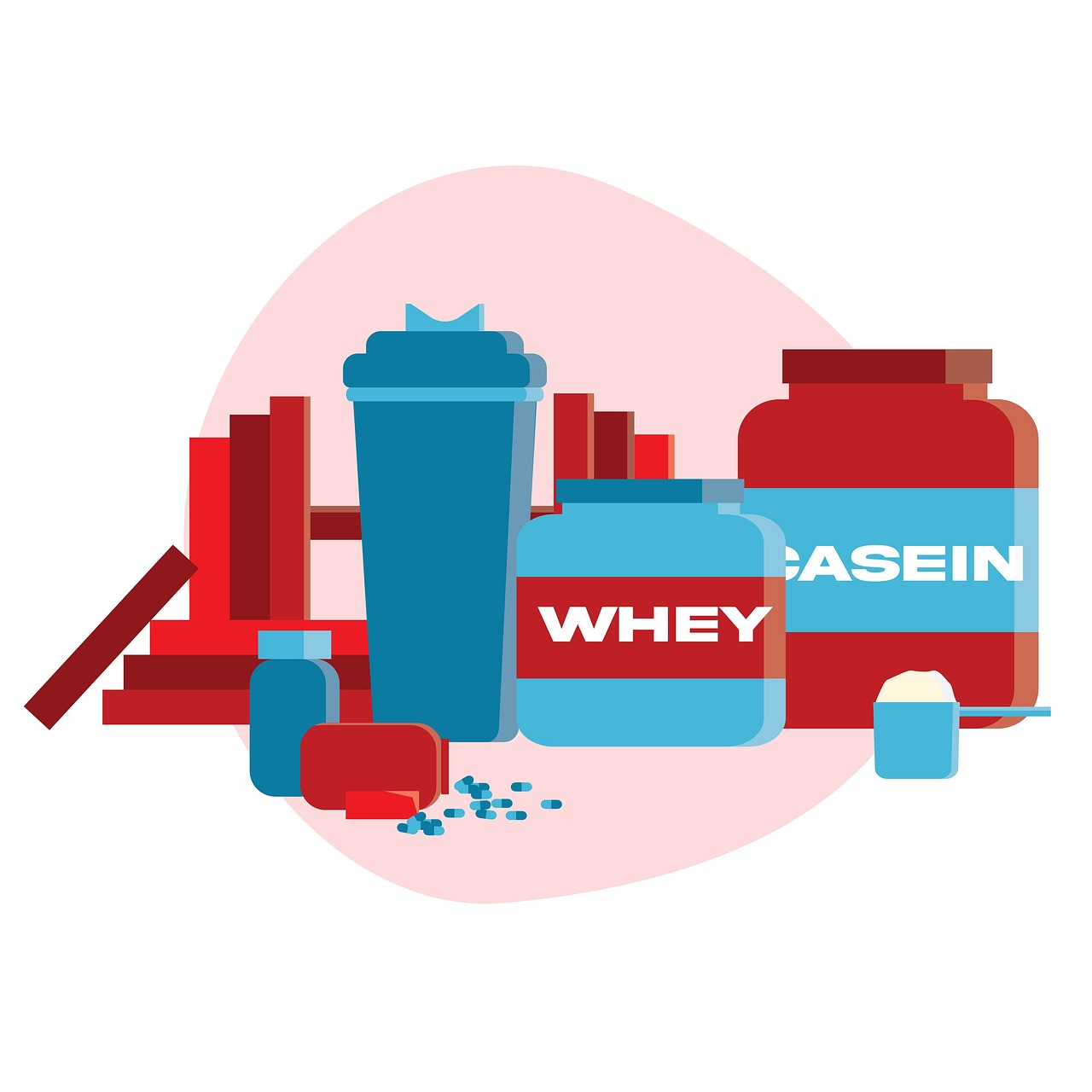
Additionally, the timing and types of protein consumed can further impact muscle recovery. Different proteins have varying digestion rates; for example, whey protein is digested quickly, while casein is absorbed more slowly. This means incorporating both fast and slow-digesting proteins into your diet can provide a steady stream of amino acids for your muscles. Whole food sources of protein like chicken, lentils, and cottage cheese offer not only your desired protein but also other beneficial nutrients for overall health. Exploring between different protein sources aids in preventing dietary boredom and keeps nutrition engaging. While it may be tempting to rely solely on protein supplements, it’s essential to balance your diet with whole foods for optimal health benefits. Integrating protein in various forms can be very advantageous; clean proteins can also assist in maintaining a healthy body weight. Including diverse sources will help create a satisfying eating experience while achieving your fitness goals. Consistently prioritizing protein intake throughout the day can significantly impact muscle recovery and body composition for those engaged in regular strength training and weight loss efforts.
Protein Recommendations for Active Individuals
For those engaging in strength training and aiming for weight loss, understanding how much protein one should consume is essential. Generally, active individuals require more protein than sedentary people; recommendations typically range from 1.2 to 2.2 grams of protein per kilogram of body weight. This increase helps support muscle repair, growth, and overall recovery. Individuals who perform high-intensity workouts may aim for the higher end of this range, while those doing moderate exercise may find lower requirements suffice. It’s critical to spread your protein intake evenly throughout the day, as the body benefits from frequent doses of protein rather than large amounts consumed at once. Aim to include protein with every meal and snack to ensure adequate intake. Practice portion control and monitor your overall caloric intake while focusing on protein. Aiming for quality protein sources, such as lean meats and plant-based proteins like quinoa and beans, will enhance nutrient density. Tracking your protein intake can also help you reach your goals more efficiently, making it easier to assess your progress and make informed adjustments to your diet.
Furthermore, varied protein sources ensure you’re not only getting enough protein but also essential micronutrients, which contribute to overall health and fitness. Maintaining a well-rounded diet is key, especially when engaging in strength training and aiming for weight loss. Delve into different protein-rich foods, from lean meats, fish, legumes, to even nut butters that can diversify your meals. Don’t forget about the role of hydration in this process. Consuming adequate fluids, particularly water, supports digestion and metabolic processes related to protein breakdown and absorption. As you progress on your strength training journey, consider timing your meals around your workouts to optimize recovery and growth. Eating a balanced meal within two hours post-exercise is beneficial for muscle recovery and helps replenish energy stores. Utilize meal planning to help coordinate your protein intake throughout the day. Keep in mind, the synergy between protein, carbohydrates, and fats leads to optimal energy levels and efficient recovery, supporting your overall weight loss efforts.
The Bottom Line on Protein and Weight Loss
Ultimately, protein plays a pivotal role in achieving successful weight loss and facilitating strength training. Ensuring adequate protein intake not only aids users in maintaining muscle mass but also promotes overall health and wellness. Whether striving to lose weight or become fitter, understanding the importance of protein positions you advantageously in your fitness journey. Continuous learning and adjustments around your protein intake can lead to long-term progress. It’s crucial to listen to your body while considering the adjustments you may need to make along the way. Focus on a balanced approach to your diet while staying consistent with your strength training regimen. Protein, combined with a healthy lifestyle, creates a structured plan that prioritizes not only weight loss but also muscle recovery and enhancement. In conclusion, finding the right protein balance is essential for those engaged in strength training and weight loss. Achieve remarkable results by making conscious dietary choices that prioritize nutrient-dense protein sources in your meals, fortifying both your fitness journey and health goals.
For anyone determined to succeed in both strength training and weight loss, understanding protein’s benefits is imperative. Establishing a solid foundation around dietary practices encourages individuals to prioritize their goals consistently. In summary, taking advantage of varied protein sources, maintaining hydration, and timing meals appropriately will enable you to optimize your fitness efforts and overall well-being. Embrace this essential nutrient to elevate your strength training experience and make strides toward weight loss. Be mindful of your body’s needs and seek to continuously adapt your protein intake to align with your training intensity and personal goals. Share your journey with a supportive community that values similar aspirations for mutual encouragement. While focusing on protein, remember that a holistic approach to nutrition and exercise will yield the best outcomes. Set realistic expectations, and give yourself grace along the way. It’s essential to navigate the complexities related to nutrition, activity, and recovery for optimal results, and protein stands out as a substantial piece of that puzzle. With a thorough understanding of the impacts of protein, you can steer your path to success confidently.