
The Science Behind Plyometric Exercises and Their Benefits
Plyometric training consists of exercises that involve explosive movements, aimed at improving speed and power. Athletes often incorporate plyometrics into their training regimen for enhanced performance. Such exercises include box jumps, burpees, and jump squats. The physiological essence of plyometrics lies in the stretch-shortening cycle, where muscles are rapidly stretched before being contracted, leading to greater force production. This mechanism can significantly boost athletic capabilities, helping athletes achieve personal bests in speed and agility. Importantly, plyometric exercises develop fast-twitch muscle fibers, essential for sprinting and jumping. As a result, athletes engaged in such training improve their explosive strength, leading to improved overall performance. Furthermore, plyometrics enhance coordination among muscle groups, leading to more efficient and effective movements. These benefits extend beyond elite athletes; recreational athletes can also gain from incorporating plyometrics into their routines. Individuals training for everyday activities, such as running or playing sports, can experience improved efficiency in movement patterns, reducing the risk of injury. Overall, the incorporation of plyometrics enhances both physical capabilities and performance levels for various activities.
Physical Benefits of Plyometric Training
A key benefit of incorporating plyometric exercises into a fitness routine is increased muscle power and speed. This focus allows both athletes and casual fitness enthusiasts to enhance their physical capabilities dramatically. The nature of plyometrics also improves muscle elasticity and coordination. This results in faster reaction times and overall agility, which are crucial attributes for sports performance. In sports, the ability to react quickly can determine success. A well-executed plyometric routine strengthens the connective tissues, results in more robust joints. Moreover, plyometrics contribute to calorie burning, thereby supporting weight loss efforts. Explosive movements require more energy than traditional strength exercises, making them highly efficient. Importantly, plyometric training can aid in reducing injury risk through strengthening muscles and connective tissue. Improved balance and body control also mean that athletes can better manage dynamic movements. This capacity to control and stabilize the body translates to enhanced performance, especially in competitive realms. Ultimately, incorporating plyometrics provides extensive physical benefits, making it a coveted addition to various workout regimens.
Plyometric training also enhances cardiovascular endurance, especially when performed in high-intensity intervals. The fast-paced nature of these exercises supports improved heart health, which is vital for overall fitness. Plyometric circuits can be structured to include multiple rounds of different exercises, keeping the heart rate elevated throughout the session. The combination of strength training and cardio makes plyometrics unique and effective for achieving fitness goals. Additionally, as the heart grows stronger through consistent plyometric workouts, individuals can experience increased stamina in daily activities. An unexpected benefit is the mental boost plyometrics provide. Engaging in high-intensity, explosive exercises can enhance mental fortitude, pushing individuals beyond their perceived limits. This improvement in mindset reinforces commitment to fitness goals, encouraging consistency in workouts. Plyometrics also promote the release of endorphins, resulting in better overall mood and reduced feelings of stress, making workouts more enjoyable. These advantages create a positive cycle of motivation to stay active. As participants see tangible improvements in strength, speed, and cardiovascular fitness, their confidence levels increase, leading to greater commitment in training.
Plyometrics for All Fitness Levels
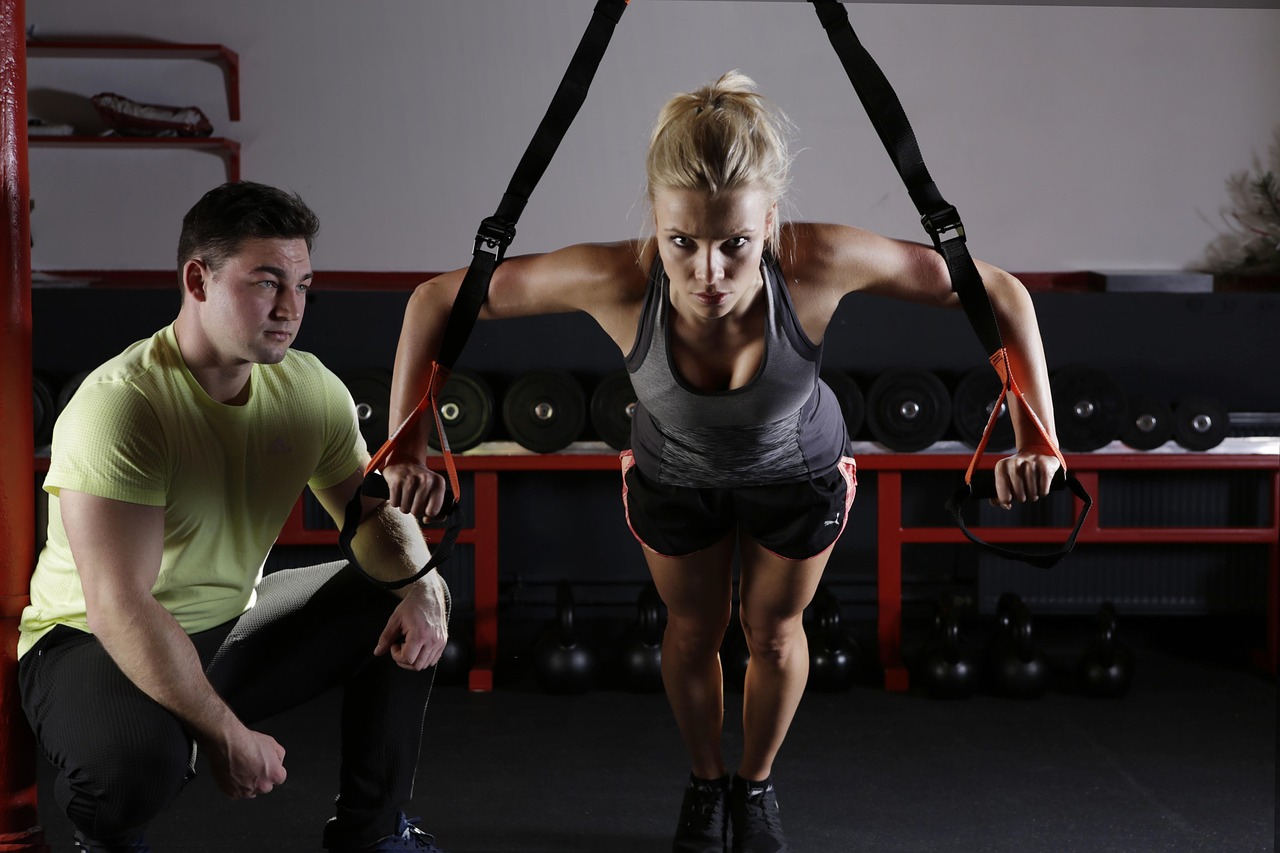
Plyometric training caters to multiple fitness levels, offering modifications that make exercises accessible to everyone. Those new to plyometrics can begin with basic movements, such as squat jumps, which are easier to master. As strength and confidence improve, individuals can progress to more complex variations. Exercises can be tailored to accommodate personal fitness levels, ensuring everyone can benefit from plyometric training. Teams and groups can engage in plyometric drills together, fostering a sense of community and support. This group dynamic adds a motivational element, encouraging participants to push one another. Furthermore, plyometrics can be interspersed with traditional strength exercises, creating a well-rounded beginning or advanced training routine. Coaches and trainers can offer guidance on proper techniques, ensuring participants perform these explosive movements safely. Avoiding injury is crucial; thus, proper warm-up and cool-down routines should be incorporated. This structured approach ensures that all athletes can experience benefits without compromising safety. Ultimately, plyometric training is designed to be inclusive, providing advantageous strength and speed gains that promote overall fitness.
For optimal results, specific tips enhance the effectiveness of plyometric training. Firstly, prioritizing proper form and technique is essential to maximize benefits. Individuals must focus on landing softly on their feet to prevent injuries while performing high-impact exercises. Secondly, incorporating rest periods within workouts allows for sufficient recovery between explosive exercises. This helps optimize muscle performance during each session, contributing to more substantial long-term gains. Additionally, varying plyometric exercises keeps routines engaging and promotes muscle adaptation. As the body adjusts to stimuli, variations help stimulate continued growth and progress. Lastly, nutrition plays a critical role when engaging in high-intensity workouts. Proper hydration and a balanced diet support recovery and performance enhancement. Nutrient timing, where individuals fuel their bodies before and after workouts, contributes to effective plyometric training results. Monitoring progress also encourages growth; keeping a workout journal to track improvements in strength, speed, and skill can fuel motivation. Setting realistic and attainable goals provides a structured path, ensuring gradual enhancement over time. Following these guidelines maximizes the benefits of plyometric training while solidifying a commitment to fitness.
The Conclusion on Plyometrics
The world of plyometrics offers incredible opportunities to enhance athletic performance and improve general fitness. The trajectory of fitness has evolved to integrate these powerful exercises into routine training. Individuals can elevate their strength, speed, and agility through commitment, persistence, and proper execution. As athletes and enthusiasts alike embrace these dynamic workouts, they discover physical challenges that yield impressive results. Importantly, research supports the numerous benefits of plyometric training, showcasing the potential for improved performance in various sports. This scientific backing fuels further interest and commitment to plyometric training across all fitness demographics. By including plyometrics, participants become well-rounded in their fitness approach. Training programs infused with explosive movements drive excitement and anticipation while working out. Additionally, the camaraderie experienced during group plyometric workouts fosters a supportive environment, enhancing motivation among participants. With safety and technique prioritized, individuals can push their limits and branch out into new areas of fitness. As new fitness trends arise, plyometrics remain steadfast in their effectiveness as a means to upsurge strength and enhance overall agility in sports and daily life.
For those considering plyometrics, the journey should undoubtedly begin with proper guidance. Training programs can be adapted to suit various abilities and goals, ensuring optimal performance without straining the body. Fitness trainers and coaches bring diverse knowledge and skill, instilling confidence in new and experienced participants. Ultimately, researching plyometric techniques, benefits, and safety guidelines enriches the overall experience. Many online resources provide valuable information, detailing progressions and modifications tailored to specific fitness levels. By seeking community support and professional advice, individuals can journey through the realm of plyometrics more effectively. Challenges become more manageable when approached with collective wisdom. Social support in workouts often improves adherence to fitness plans. Reaching out to trainers, classes, or online fitness communities encourages accountability. As awareness of plyometric training’s effectiveness evolves, more athletes and fitness enthusiasts are drawn into these powerful routines. Individuals committed to self-improvement will find plyometrics an invaluable asset in their fitness journey. The benefits are clear, paving the way for enhanced athletic performance and unswerving dedication to health and wellness.