
Understanding Caloric Needs for OCR Training
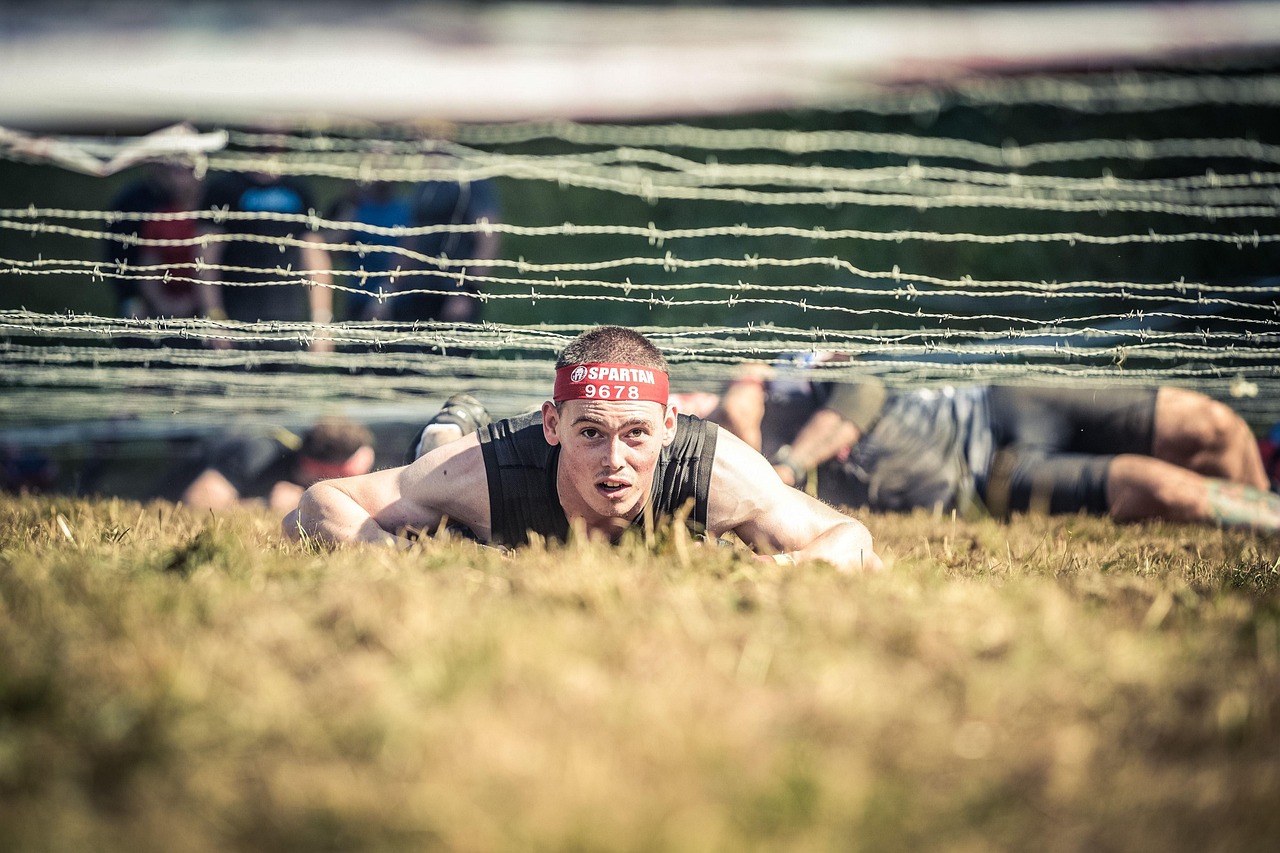
Obstacle Course Racing (OCR) requires a unique approach to nutrition, focusing on energy needs and recovery. Athletes should calculate their caloric intake based on training intensity, duration, and body composition. To succeed, one must understand how the body uses energy during different phases of training. Carbohydrates are vital for fueling workouts, while proteins aid in muscle repair. Common misconceptions exist around the idea that athletes should only eat when they feel hungry. However, for OCR athletes, proactive meal planning can ensure they meet heightened energy demands.
Hydration is equally crucial; it cannot be overlooked. During rigorous training sessions and competitions, athletes should monitor their fluid intake closely. Dehydration can lead to severe performance issues, including fatigue and heat-related illnesses. It is essential to focus on electrolyte balance, which can be disrupted through extensive sweating. Including sports drinks or electrolyte supplements during prolonged workouts may be beneficial. Additionally, post-race hydration helps in recovery and maintaining overall health, so keeping water accessible during training is non-negotiable.
Nutrient timing plays a significant role in maximizing performance. Consuming a pre-workout meal rich in carbohydrates two to four hours before training provides the necessary energy. During intense workouts lasting longer than an hour, athletes should consider consuming fast-digesting carbohydrates. Post-exercise nutrition is also vital; incorporating protein and carbs within 30 minutes supports optimal recovery. Examples include a banana with protein powder or a protein smoothie to promote muscle recovery. Portion sizes and meal frequency should also align with the individual athlete’s needs.
Essential Macronutrient Balance
Balancing macronutrients is essential for OCR athletes. A general recommendation is consuming 45-65% of total calories from carbohydrates, 10-35% from proteins, and 20-35% from fats. Prioritize complex carbohydrates like whole grains and fruits over simple sugars. Proteins should include lean meats, legumes, and dairy, while healthy fats from sources such as nuts and avocados are beneficial too. Adjustments may be required based on personal goals or specific race needs. Understanding macronutrient breakdown helps athletes strategize better nutrition for peak performance.
Incorporating a variety of food sources enhances nutrient intake. Diverse diets not only provide essential vitamins and minerals but also prevent the monotony of bland meals. Fermented foods like yogurt and sauerkraut are excellent for gut health, essential for nutrient absorption. Likewise, foods rich in antioxidants, such as colorful fruits and vegetables, can help reduce inflammation and speed up recovery times. Incorporating spices and herbs enhances flavor without unnecessary calories, which can help maintain interest in healthy eating.
Recovery Nutrition
Maintaining a well-defined recovery plan is pivotal after rigorous training. Recovery meals rich in protein and carbohydrates should be prioritized. Consuming these nutrients post-exercise aids muscle recovery and replenishes glycogen stores. Foods that fit this category include protein shakes, smoothies, or grilled chicken with rice. Timing and the quality of the food consumed afterward can influence recovery times significantly. Moreover, making recovery snacks accessible and convenient can prevent missed opportunities for post-workout nutrition.
Meal prepping can greatly enhance an OCR athlete’s ability to meet their caloric needs. Preparing meals in advance saves time and ensures the athlete has nutritious options available post-training. Investing time on off-days to cook and portion meals facilitates better control over food intake. Packing snacks for training days can also prevent reliance on less nutritious options. A well-organized approach to meal preparation enables athletes to maintain higher energy levels throughout their training cycles.
Finally, consulting with sports nutritionists can provide tailored advice suited to individual needs. Personalized nutrition plans take into account not just the intensity and duration of workouts but also the athlete’s preferences and lifestyle. Expert guidance ensures athletes find their ideal balance of macronutrients and calories. Regular adjustments can be made as training phases change. Knowledge about sustainable practices and how to navigate dietary challenges will prepare OCR athletes for competition day.