
Wall Sits and Beyond: Lower Body Isometric Holds Explained
Isometric holds are pivotal in strength training, especially for lower body development. Among these, wall sits are highly effective for building endurance and muscle strength. The basic wall sit involves squatting against a wall, creating a 90-degree angle with your knees. This position primarily targets the quadriceps, hamstrings, and glutes, leading to enhanced muscular endurance. By engaging core stability and maintaining proper form, wall sits significantly improve overall lower body strength. Progressing with this exercise includes holding longer durations and varying foot positions. Anyone new to wall sits should incorporate gradual timings, beginning with 10-15 seconds before increasing. The key to maximizing results is to maintain tight muscles throughout the hold. Consistency in practice helps in developing a solid foundation. It’s crucial to listen to your body during the hold to avoid strain or injury. Besides wall sits, other isometric holds like glute bridges are beneficial as they target other muscle groups effectively. Additionally, exploring diverse isometric exercises leads to balanced muscle training throughout the lower body and enhances functionality in everyday movements.
Understanding Isometric Holds
Isometric holds differ significantly from traditional dynamic movements; they emphasize when muscles engage without joint movement. This type of exercise promotes muscle strength while improving stability, ideal for athletes or anyone looking to improve their fitness. During isometric exercises, force is generated, but the length of the muscle remains unchanged, providing an efficient way to build strength. Research shows these workouts can enhance muscular endurance, which is essential for daily activities and sports performance. Incorporating isometric holds into a routine can reap substantial benefits, significantly when focused on various muscle groups. By concentrating on the lower body, individuals can achieve strength gains while protecting joints from excessive stress associated with dynamic movements. Moreover, targeting specific muscles, such as the glutes, quadriceps, and hamstrings through isometric holds can lead to a well-rounded increase in muscle tone and definition. The rigorous nature of these exercises also leads to improved mental toughness as individuals learn to endure discomfort during holds. It is important to engage in a thorough warm-up before performing these activities to prepare the body and minimize the risk of injury. Starting with lower repetitions and gradually increasing can lead to effective results without overexertion.
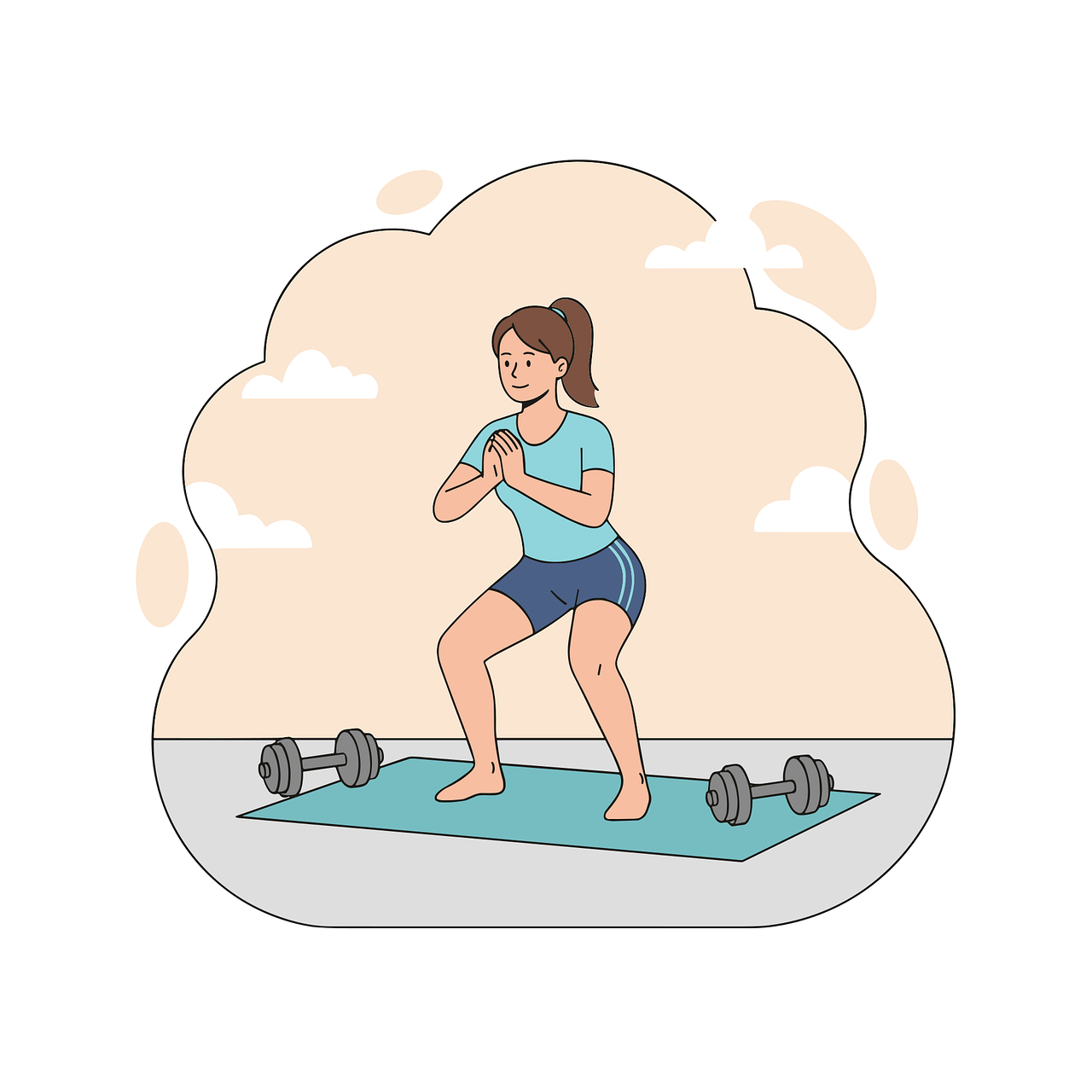
Wall sits are among the most popular isometric holds, offering numerous advantages for lower body workouts. As you achieve the squat position, various muscles work harmoniously to stabilize your body. The quadriceps dominate as the primary push muscles, but the hamstrings and glutes also play essential synergistic roles. Maintaining that squat position against a wall creates an intense burn; accurate positioning is crucial to prevent discomfort. Keep your back flat against the wall, and your knees should not extend beyond your toes. Variations on wall sits can amplify the challenge and effectiveness significantly. For instance, try to lift one foot off the ground, maintaining balance while engaging your stabilizer muscles. Holding small weights in your hands or adding pulses can enhance the workout further. It’s beneficial to integrate wall sits into a comprehensive lower body regimen, combining them with other strength-building movements. Consistency is key—practice at least two to three times a week. The tangible strength gained through wall sits translates to improved athletic performance, increased endurance, and better posture. This type of exercise is adaptable, making it accessible for beginners as well as seasoned fitness enthusiasts.
Other variations of isometric holds include the glute bridge and single-leg holds, which target different muscle groups and function in synergy with wall sits. The glute bridge, for example, emphasizes the posterior chain, requiring individuals to engage their glutes and hamstrings while lifting their hips. By holding this position for extended periods, practitioners can develop greater strength and endurance in their posterior muscle groups. Incorporating different isometric holds not only prevents workout monotony but enhances overall lower body development. Many trainers advocate combining various isometric holds to create a robust workout infused with balance and comprehensive strength training. Another excellent option is the single-leg hold, which significantly engages stabilizing muscles in the legs and core, increasing overall functionality. Single-leg holds can be performed while maintaining balance on one leg with the other leg extended backward or lifted. This dynamic variation ensures an increased challenge contributes to improved proprioception and balance, critical for sports and daily movements. Building a routine that continuously challenges the body through these isometric holds creates a stronger foundation for physical progress.
Benefits of Lower Body Isometric Holds
Engaging in lower body isometric holds provides unique benefits that enhance overall physical performance. First and foremost, these exercises build muscular endurance and strength crucial for athletic performance and daily activities. These holds also promote joint stability, often mitigating injury risks associated with dynamic movements. Many athletes utilize isometric holds to maintain strength during rehabilitative processes, allowing them to retain muscle without aggravating injuries. In terms of accessibility, isometric holds require minimal equipment and space; they can be performed at home or the gym without specialized equipment. Improving core stability is another major benefit; numerous isometric exercises, including wall sits and glute bridges, actively engage the core whilst promoting improved balance. Additionally, isometric holds can be adjusted, catering to any fitness level. Progressions involve increasing the time holding each position or enhancing difficulty with resistance. The mental focus required during these exercises fosters discipline and promotes mindfulness in training routines. These isometric holds also stimulate an increase in muscular hypertrophy when performed regularly, allowing further aesthetic improvement and physical strength gains.
Incorporating isometric holds into an established workout routine requires careful planning. Scheduling these exercises a few times weekly within lower body strength training ensures optimal performance without overtraining. Begin each session with a dynamic warm-up to prevent injury, emphasizing mobility and flexibility in the hips, knees, and ankles. Building to longer holds will increase both strength and endurance effectively, and it’s crucial to listen to your body signals. Don’t forget to implement adequate recovery between sessions, allowing muscles to rebuild properly. With consistent practice, individuals can build up to holding wall sits for 60 seconds or beyond, significantly impacting overall lower body strength. Additionally, ensuring proper hydration and nutrition supports muscle recovery; paying attention to consumption before and after workouts maximizes performance potential. Stretching post-workout enhances flexibility, further aiding in muscle recovery. Exploring various isometric holds can diversify training, making it enjoyable while fostering motivation. Establishing clear, realistic goals in combination with isometric routine integration can lead to substantial long-term achievement. Progress is evident through increased performance, enhanced strength, and improved endurance in everyday activities and sporting endeavors.
In conclusion, isometric holds offer unparalleled benefits for developing lower body strength and stability. Wall sits serve as an excellent primary exercise while other variations provide valuable additions to any fitness regimen. Committing to these exercises not only enhances muscular endurance but also instills mental toughness, essential for pushing through challenges in the fitness space. Utilizing various isometric holds—like glute bridges and single-leg holds—ensures a robust workout that addresses multiple muscle groups effectively. Regularly incorporating these movements in a planned routine promotes joint stability and overall athleticism. Engaging in isometric exercises can significantly translate into daily functional movements, providing a solid foundation for various physical activities. With intention and perseverance, individuals can leverage the benefits of isometric holds to improve overall fitness levels sustainably. Establishing a consistent practice and setting achievable goals while emphasizing recovery will enhance performance and mitigate injuries. Those who embrace isometric training can anticipate long-lasting benefits in their journey toward a stronger, healthier body. Overall, the integration of isometric holds into workouts champions both physical and mental advancements across numerous fitness disciplines.
Ultimately, the journey through bodyweight training encompasses discovering the strength of isometric holds as essential components. Whether you are a novice or experienced fitness enthusiast, isometric holds equip you with effective nonstop benefits. The incredible adaptability of wall sits and other isometric exercises suitable for various environments enhances participation accessibility and enjoyment. By focusing on proper techniques and challenging yourself with progressive frameworks, every session provides growth potential. Furthermore, the mindset cultivated through these practices fosters a holistic approach to fitness. Transitioning from beginners to seasoned performers culminates in robust lower body health and improved physical performance. As practitioners engage with different holds, insightful experiences emerge in setting up personalized fitness pathways that create accountability and motivation. Remember that not every session needs to be intense; incorporating isometric holds can provide effective recovery while highlighting continued strength development. Each individual’s journey presents unique opportunities for exploration and advancement. Ultimately, lower body isometric holds emphasize consistency and dedication while enhancing overall fitness outcomes.