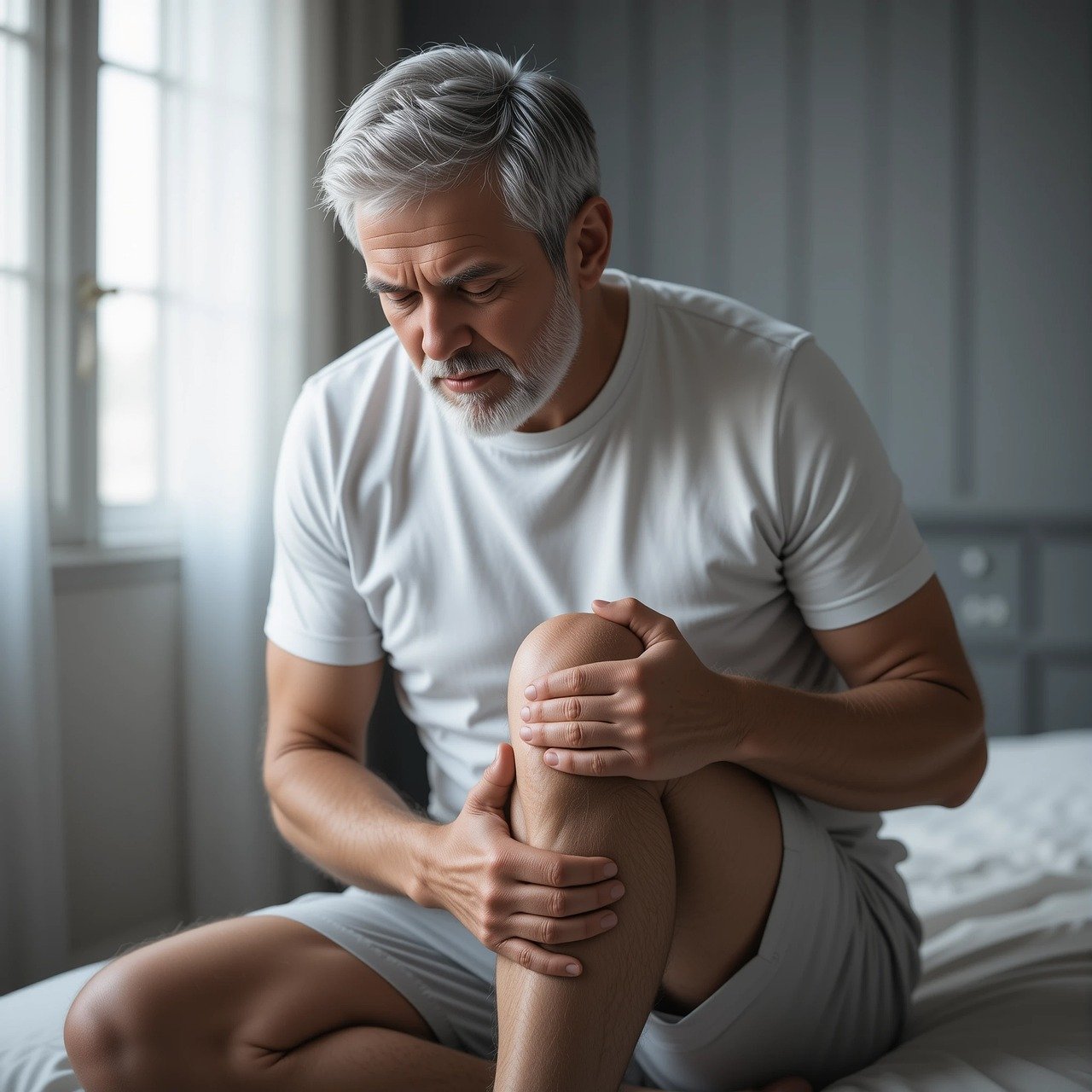

Exercise Guidelines from Experts for Seniors With Bone Loss
Osteoporosis is a significant health concern for many seniors, leading to greater fragility of bones and an increased risk of fractures. Seniors diagnosed with osteoporosis should prioritize physical activity in their daily routines. Exercise is essential for maintaining bone density and overall health. It can help strengthen muscles, improve balance, and reduce the chances of falls, which is particularly valuable in this demographic. For seniors, exercises focusing on weight-bearing and resistance are especially beneficial. These exercises can stimulate bone growth and enhance muscle strength. Examples include walking, dancing, and lifting light weights. Consulting with a healthcare provider before embarking on an exercise routine ensures that the chosen activities align with individual health status. Furthermore, safety is paramount so that seniors avoid injury. Incorporating flexibility and stretching exercises can also help improve mobility. Staying physically active not only assists in combating osteoporosis but also contributes to better mental health and overall well-being. The ideal exercise regimen should be consistent, enjoyable, and tailored to personal preferences and capabilities.
A key aspect of combating osteoporosis is maintaining a balanced diet alongside regular exercise. Nutritional needs for seniors can be quite specific. Calcium and vitamin D play crucial roles in bone strength and resilience. Seniors should aim to consume calcium-rich foods such as dairy products, leafy green vegetables, and fortified foods. Additionally, vitamin D is essential for calcium absorption and can be obtained through sun exposure and foods such as fatty fish or fortified cereals. Staying hydrated is also vital. Adequate water intake helps maintain overall health and prevents issues like muscle cramps during exercise. It’s beneficial for seniors to be mindful of the synergistic relationship between nutrition and exercise when addressing bone health. Engaging in physical activity while meeting nutritional needs ensures a comprehensive approach to combating osteoporosis. Regular checkups and assessments with a healthcare provider can help adjust dietary plans as required. Lastly, while focusing on physical health, emotional well-being should not be overlooked. Activities that promote social interaction can enhance motivation and perseverance in maintaining an active lifestyle.
Types of Recommended Exercises
When considering exercise for seniors dealing with osteoporosis, it’s essential to focus on specific types that emphasize balance, strength, and flexibility. Weight-bearing exercises stimulate bone density and help in preventing further bone loss. Walking, jogging, and stair climbing are prime examples, promoting both cardiovascular health while strengthening bones. Resistance training, using weights or resistance bands, offers additional benefits by improving muscle strength, which in turn supports the skeletal system. Incorporating balance activities, such as tai chi or yoga, can help manage the risk of falls; crucial for seniors with fragile bones. Stretching exercises should also be included, as they can enhance flexibility and range of motion. Individuals should always begin exercises at a comfortable level and gradually increase intensity. It’s important to listen to the body’s signals, taking rest days when necessary. A varied exercise routine will prevent boredom and encourage adherence over time. Additionally, engaging in group classes can provide motivation and accountability, making the experience more enjoyable and fruitful for seniors. This engagement is vital in fostering a sustainable exercise habit.
Safety considerations in exercise routines for seniors cannot be overstated. Each exercise should be approached with caution. A proper warm-up before starting can prepare the muscles and reduce the risk of injury. Attention should also be paid to proper form and technique when lifting weights or performing exercises. This practice not only maximizes benefits but also minimizes the risk of strains or sprains. Additionally, it’s advisable to avoid high-impact activities that pose significant injury risks for seniors with osteoporosis. Incorporating adequate rest and recovery periods is also essential; overexertion can lead to fatigue and accidents. To ensure a safe environment, choose well-lit areas free of obstacles for exercise routines. If engaging in outdoor activities, proper footwear that provides support and traction should be worn. Furthermore, hydration is crucial before, during, and after exercise; dehydration can lead to dizziness or muscle cramping. Lastly, having a buddy system in exercise can provide safety and encourage consistency; exercising with a companion can enhance both enjoyment and safety.
Monitoring Progress
Monitoring progress is critical to understanding how exercise impacts bone health over time. Seniors participating in a fitness regimen should maintain a journal or log to keep track of their activities, accomplishments, and any challenges experienced. Regular assessments of strength, balance, and flexibility should be a part of this monitoring process. Such evaluations can help tweak the exercise program as needed. Furthermore, working with a qualified fitness instructor or physical therapist can provide additional insight. These professionals can offer guidance tailored to senior needs, ensuring that exercises align with their abilities while still promoting improvement. Regular monitoring serves multiple purposes; it identifies success, maintains motivation, and prevents burnout. Seniors might also consider engaging in community activities focused on fitness to promote social connections and support perseverance. The aim is to maintain progressive, attainable goals and regularly celebrate achievements to foster a positive outlook. By involving healthcare providers in these evaluations, seniors can make informed decisions about their exercise routines. Ultimately, monitoring leads to better health outcomes and enhanced quality of life.
In conclusion, engaging in exercise is an invaluable tool for seniors combating osteoporosis. The benefits extend beyond bone health. Regular physical activity can enhance overall physical and mental well-being. Bones are constantly undergoing a remodeling process, where old bone tissues are replaced with new. Engaging in the right exercises can promote this beneficial cycle. As seniors make strides in their fitness journey, it’s essential to remain patient and flexible with expectations. Progress might be slow but is certainly valuable. Collaborating with family, friends, or fitness professionals can enhance accountability and enjoyment in the process. Moreover, incorporating variety in exercise is vital; it can prevent monotony and keep motivation high. Choosing enjoyable activities makes adherence easier and more sustainable over time. Educating oneself about osteoporosis and its implications on health can further empower seniors in their fitness journey. Lastly, maintaining open lines of communication with healthcare providers will ensure that the exercise regimens are both safe and effective. Every step taken toward fitness is a step toward better health, greater strength, and enhanced quality of life for seniors dealing with osteoporosis.
The Importance of Community
Another critical aspect of staying motivated in a fitness program is leveraging community support. For seniors, engaging in group fitness classes or community health programs can promote a sense of belonging. Joining a supportive environment can ease the anxiety often tied to exercise routines, particularly for those with osteoporosis. Community programs provide opportunities to connect with peers facing similar challenges, fostering encouragement and camaraderie. Having friends or companions can motivate individuals to stay consistent in their exercise regimens. Additionally, many communities offer specialized fitness programs designed for seniors that prioritize safety. Utilizing pool-based activities, such as water aerobics, can reduce strain on bones while providing effective workouts. Additionally, community centers frequently organize workshops focusing on nutrition, health education, and fitness. Participation in these programs not only enhances physical health but allows seniors to learn and interact socially. Finding local groups or programs tailored to seniors interested in fitness is beneficial for their overall well-being. Ultimately, building community connections can lead to enriched lives, fulfilling relationships, and sustainable fitness practices among seniors.
As technology becomes increasingly integrated into fitness routines, seniors must also consider digital resources. Utilizing fitness apps or online workouts can be an exciting way to explore new exercises. These platforms offer a variety of options, often specifically designed for seniors with differing fitness levels. Engaging in virtual classes allows seniors to stay active from the comfort of their homes, accommodating any mobility limitations. Many online programs also provide guidance on proper form and safety from qualified instructors. Furthermore, tracking progress through technology can encourage adherence; fitness apps often have built-in reminders or motivational notifications. They can also allow seniors to celebrate milestones in their fitness journeys. Using virtual tools can empower seniors by offering them control over their exercise routines. Technology can bridge the gap when in-person classes are unavailable, providing a continuous connection to fitness. Ensuring that the chosen app or resource is user-friendly and comprehensible is also crucial. Embracing technology not only facilitates engagement but also presents opportunities to connect with a broader community dedicated to fitness. Ultimately, incorporating technology into fitness routines can help seniors lead healthier and more independent lives.