
Optimizing Bodyweight Leg Workouts with Time Under Tension Principles
Leg workouts can significantly benefit from the concept of Time Under Tension (TUT). TUT refers to the amount of time your muscles spend under strain during an exercise. By manipulating TUT, you can enhance muscle hypertrophy, endurance, and strength. When performing bodyweight exercises like squats, lunges, or step-ups, focus on how long you maintain tension in the muscles rather than just the number of repetitions you complete. This shift in focus will lead to more effective workouts and optimized muscle engagement. Furthermore, the slower you move through each repetition, the more your muscles will adapt and grow. Implement longer eccentric phases, where you lower your body slowly, followed by a quick concentric phase. For example, when performing a squat, try taking four seconds to lower yourself and one second to rise back up. The combination of controlled movements and tactical breathing can enhance the overall effectiveness of your bodyweight leg workouts. Acknowledging these principles will help you unlock greater strength potential. Aim to progressively overload your muscles using TUT as a guide to ensure continued improvement and results in your leg training.
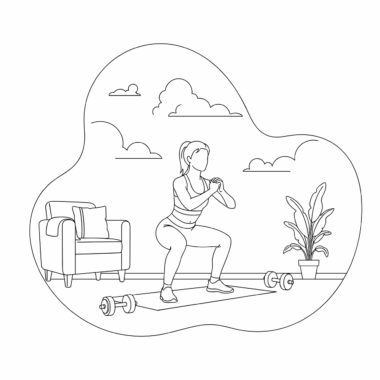
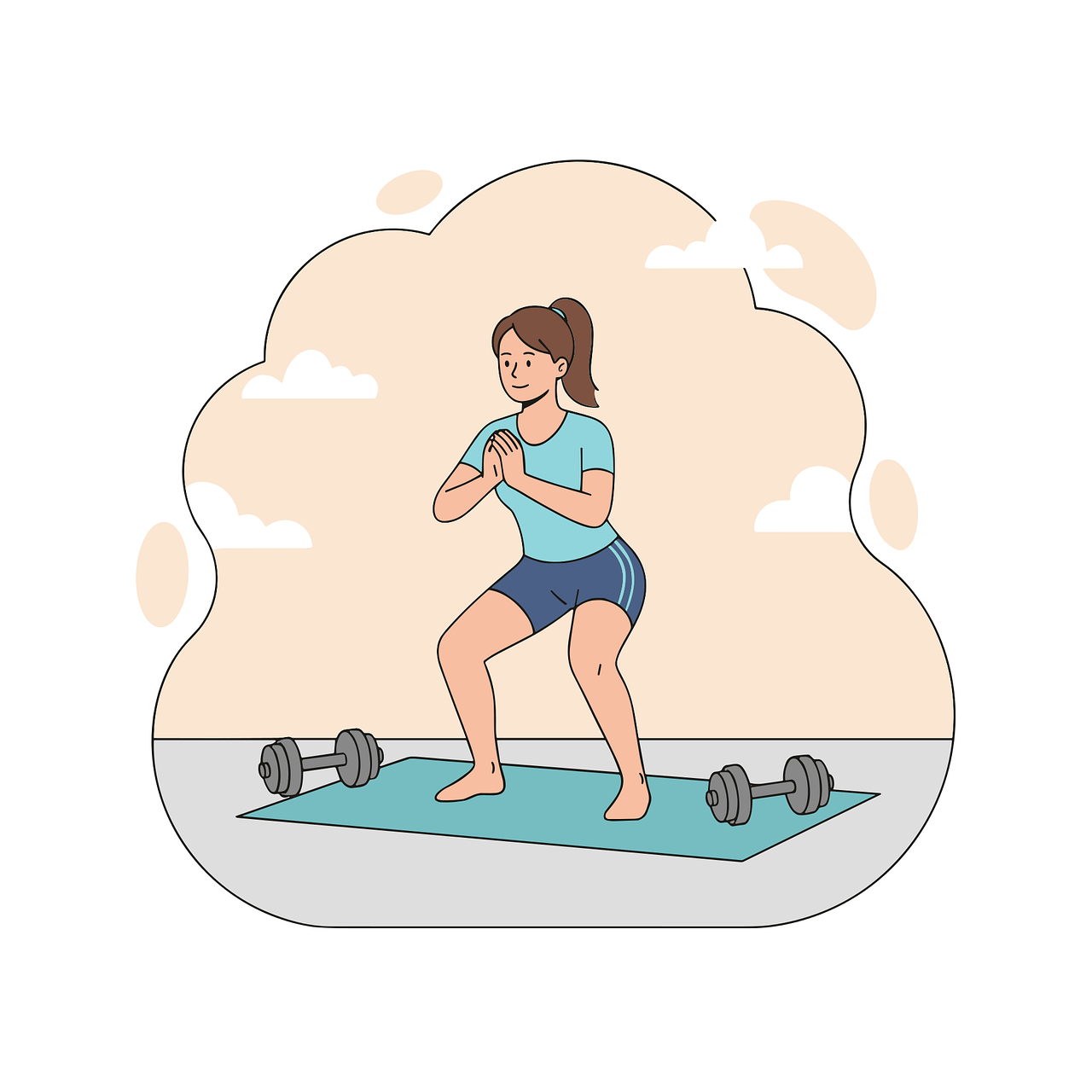
After understanding the importance of Time Under Tension, let’s explore effective exercises that leverage this principle. Two foundational exercises include the bodyweight squat and the single-leg deadlift. The bodyweight squat serves as a classic leg movement, targeting the quadriceps, hamstrings, and glutes. To maximize TUT, lower into the squat for a duration of three to five seconds, hold the position briefly, then ascend. This technique ensures continual muscle engagement through the entire range of motion. The single-leg deadlift focuses on balancing strength distribution while engaging the hamstrings and glutes intensely. Devote four seconds to lower your torso while keeping your back straight, then rise back. As you work through these movements, consider adding variations like split squats with a pause or Bulgarian split squats to enhance the challenge. Integrating these movements into your regimen will not only improve muscular endurance but will also build functional strength necessary for various athletic activities. Additionally, experimenting with both body positions and tempos will continually challenge the muscles, promoting growth and adaptation over time. Listening to your body is key as you explore these progressive techniques to achieve optimization.
Integrating Time Under Tension into Your Routine
For optimized results in leg training, consider integrating TUT into your workout routine by designing specific sessions focused solely on this principle. Start by selecting two or three key exercises to incorporate TUT with, such as squats, lunges, or hip thrusts. Create supersets by pairing a TUT exercise with a standard bodyweight movement. This approach will allow you to maximize endurance and strength. For example, after performing squats utilizing TUT, switch to jumping squats for a burst of explosive power. Make sure to monitor your rest intervals, giving enough recovery time between sets to scale intensity effectively. Tracking these workouts is crucial to spot progress as well. Using a journal can help you assess improvements in strength and muscle gain. Experiment with different TUT durations to determine what best suits your personal goals, continually adjusting as needed. Focus on quality rather than quantity throughout your workouts. Additionally, consider employing TUT principles when not working out, like holding a squat position for a timed duration during breaks. This on-going practice will yield cumulative results toward better leg strength and aesthetics.
The combination of Time Under Tension and bodyweight exercises promotes not only physical gains but also enhances mental fortitude. As you push through the discomfort, each repetition engages your mind as well as your body. Use this opportunity to practice mindfulness, concentrating on muscle contractions and breathing patterns. Visualizing the muscles being worked can create a more profound connection during each exercise, resulting in a more effective workout. Furthermore, make use of equipment such as resistance bands or a stability ball to help facilitate exercises with higher TUT. These tools can increase the difficulty level and challenge your stability. You may even experiment with plyometric elements or pauses during specific points in the cycle for enhanced intensity. The idea is to keep your workouts fresh and challenging while weaving in TUT principles throughout the entire session. As you continue to implement these techniques regularly, expect to notice progressive strength increases and improvements in overall fitness. Remember, fostering mental resilience will elevate the quality of your workouts, ultimately leading to exceptional developments in muscle tone and definition.
Monitoring Progress with TUT
Tracking your progress is essential as you incorporate Time Under Tension into your bodyweight leg workouts. Establish a baseline for your current performance metrics, looking at reps completed, time taken, and overall difficulty of movements. Progressively challenge yourself by gradually increasing TUT durations while allowing your body to adapt to these changes. Utilize a fitness app or spreadsheet to monitor these metrics systematically. By recording performance metrics, you will gain insights over time into how effective your adjustments are. A clear record of your TUT regimen will also enable you to identify which exercises yield the best results for muscle growth and endurance. Furthermore, as you experiment with different variations, take photos or note body measurements every few weeks to see visual changes. Connecting training with visible results can provide motivation and reinforce your commitment to the process. Collaborate with a coach or workout partner for feedback and accountability while following this journey. Remember, celebrating small victories through this process can help maintain enthusiasm and keep you focused on your overall fitness goals.
In conclusion, optimizing bodyweight leg workouts utilizing Time Under Tension principles can lead to significant gains in muscle strength, endurance, and definition. Understanding how to effectively apply TUT within your exercise routine enables you to maximize your results. As you familiarize yourself with these concepts, consider the flow of your workouts, ensuring that you include a mix of exercises emphasizing both TUT and dynamic movement. Also, remember the importance of adequate recovery as TUT workouts can be intense. Allow your muscles enough rest to ensure optimal growth and repair. Nutrition plays a vital role, so consider adjusting your diet to fuel your efforts effectively. Whole foods rich in protein, healthy fats, and complex carbohydrates will provide essential nutrients for muscle development. Stay hydrated and maintain good sleep hygiene as well to enhance recovery. Take note of how your body responds to your regimen, remaining flexible in making modifications whenever necessary. Overall, embrace the journey of continuous improvement and self-discovery through optimizing your bodyweight leg workouts. This dedication will not only enhance strength gains but also elevate your overall fitness and well-being.