
Quick Breathing Exercises to Reduce Stress in the Workplace
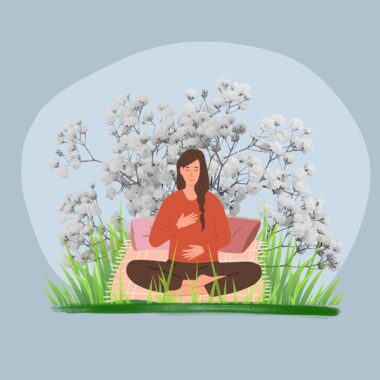
Stress in the workplace can significantly impact productivity and employee well-being. One effective method of combating this stress is through quick breathing exercises. These exercises can be seamlessly integrated into your work routine, providing immediate relief when tension builds. The following simple techniques can help you regain calm and focus. First, try the 4-7-8 breathing technique. Inhale through your nose for four seconds, hold the breath for seven seconds, and exhale through your mouth for eight seconds. Repeat this cycle a few times to experience relaxation. Secondly, it’s crucial to remember that diaphragmatic breathing promotes better oxygen exchange, thus enhancing your overall health. Position your hand on your stomach to feel it rise as you breathe deeply, ensuring the breath is filling your abdomen, not just your chest. These methods only take a few minutes and can lead to significant improvements in stress management. Incorporate short breathing breaks into your day to maintain a calm and focused state, making it easier to handle work stress effectively and efficiently.
Practice deep breathing exercises regularly to establish a routine that promotes relaxation. Start by finding a comfortable position, either sitting or standing. Close your eyes and take a deep breath in through your nose. Hold this breath briefly and then exhale slowly through your mouth. This process can be repeated several times while concentrating on the rhythm of your breath. Additionally, practice the box breathing method. Inhale for four seconds, hold your breath for four seconds, exhale for four seconds, and pause for another four seconds before inhaling again. This structured approach helps in grounding your thoughts and calming your nervous system. The goal is to become aware of your breath and how it affects your body. By consciously practicing these techniques, you can train your mind to manage stress better and respond to workplace challenges with greater clarity. Having these exercises at hand will empower you to navigate stressful situations with ease, improving your overall mental frame. They are particularly useful during high-pressure meetings, dynamic project deadlines, or when you feel overwhelmed by tasks.
Understanding the Importance of Breathing Techniques
Understanding the importance of breathing techniques is crucial for effective stress management. When under stress, our breathing often becomes shallow and rapid, which can exacerbate feelings of anxiety and tension. By practicing breathing exercises, we can activate our body’s relaxation response, slowing the heart rate and reducing anxiety. Taking a moment to engage in focused breathing allows the body to shift from a stress mode to a more balanced state. Furthermore, proper breathing techniques enhance concentration and mental clarity, providing the cognitive boost needed during demanding tasks. The body’s oxygen supply plays a significant role in our ability to think clearly and respond effectively. Employing regular breathing exercises during your workday not only supports mental health but also boosts productivity levels. It’s a win-win situation, as employees can remain engaged and balanced while navigating challenges at work. As part of a holistic stress management approach, integrating these exercises into daily routines makes them a valuable tool. The beauty of such techniques lies in their versatility, as they can be used anytime, anywhere, without requiring special equipment or dedicated time.
Another potent technique is the mindful breathing exercise, where you focus intently on each breath. Take a moment to inhale deeply while counting to five slowly; then exhale, counting to five again. This practice helps develop mindfulness, training your mind to stay present and aware. In the midst of a busy workday, allocating just two minutes can make a notable difference in how you feel mentally. Furthermore, you may wish to explore guided meditation resources focused on breathing. Many mindfulness apps are readily available and offer sessions specifically designed for workplace stress relief. Choose one that resonates with you and integrate it into your daily routine. Making these practices a habit leads to heightened awareness in stress-inducing situations. As employees continually practice these techniques, stress triggers become manageable, fostering a healthier workplace environment. Regularly engaging in mindful breathing allows for a clearer perspective, better decision-making by reducing impulsivity stemming from stress. Applying these strategies fosters greater resilience to workplace stress, ultimately leading to improved relationships with colleagues and a more harmonious work atmosphere.
Creating a Breath-Friendly Workplace
To further promote breathing exercises at work, create an environment that is conducive to relaxation. This can be done by setting aside quiet areas for employees to practice their techniques. Encouraging team members to take brief breaks for breathing exercises sends a strong positive message about mental health’s importance in the workplace. Management can prioritize well-being with workshops focusing on stress management through breathing exercises. Incorporating these into team-building activities allows everyone to engage in health-focused practices and see benefits collaboratively. Moreover, consider providing resources like visual cues or posters that remind employees about taking deep breaths throughout the day. Visual reminders can also help maintain a shared focus on mental health and create a supportive atmosphere. With time, breathing exercises will become a part of the corporate culture, benefiting the overall productivity and mental well-being of staff. Companies that prioritize their employees’ health often see lower absenteeism and turnover rates while boosting morale. Foster an environment where such practices are encouraged and normalized, leading to a healthier, happier workplace.
Lastly, it’s essential to educate employees about the physiological benefits of breathing exercises. Understanding how deep breathing reduces cortisol levels, the primary stress hormone, can motivate individuals to participate more actively in these practices. Additionally, discuss how proper breathing allows for better blood circulation and oxygenation, leading to enhanced performance levels. When employees see the direct correlation between these methods and tangible workplace results, they are likely to adopt them willingly. Regular informational talks or team discussions can reinforce the importance of integrating breathing exercises into daily routines. Sharing success stories from other colleagues or providing testimonials can effectively encourage participation. Applying a supportive approach in which employees feel safe exploring these techniques will help normalize stress management practices. A workplace that embraces and champions mental health will foster trust and collaboration among its members. Ultimately, prioritizing breathing exercises improves individual well-being and boosts operational efficiency within an organization. Committing to stress management practices creates a ripple effect, leading to a more invigorated and productive workplace.
Conclusion
In conclusion, adopting quick breathing exercises is an effective and simple way to manage stress within the workplace. These methods can be easily integrated into daily routines, ensuring that employees find it easy to engage in self-care. By practicing techniques such as 4-7-8 breathing, diaphragmatic breathing, and mindful breathing, individuals can cultivate resilience in the face of work-related stressors. Moreover, creating an environment that encourages these practices supports a culture of well-being and mental health awareness among employees. The potential benefits ranging from improved mental clarity, enhanced concentration, and reduced anxiety levels can lead to positive organizational outcomes. Additionally, consistent practice will empower employees to become more in tune with their emotional states, recognizing when they need to pause and breathe. As employers, it is essential to embrace these simple yet powerful techniques and promote healthy choices for workforce mental health. In doing so, we contribute to the creation of a sustainable and supportive work environment that enables everyone to thrive in their professional lives. Make breathing exercises part of your workplace culture, and experience the transformative effects on your productivity.
Implementing these breathing exercises, combined with open discussions about mental health, reinforces the commitment to a supportive atmosphere that respects individual needs. As pressure continues to be a part of modern work life, equipping employees with effective tools to navigate stress will serve only to enhance both employee satisfaction and organizational success. Incorporating these small but impactful practices will ripple out, creating a mentally healthier company culture.