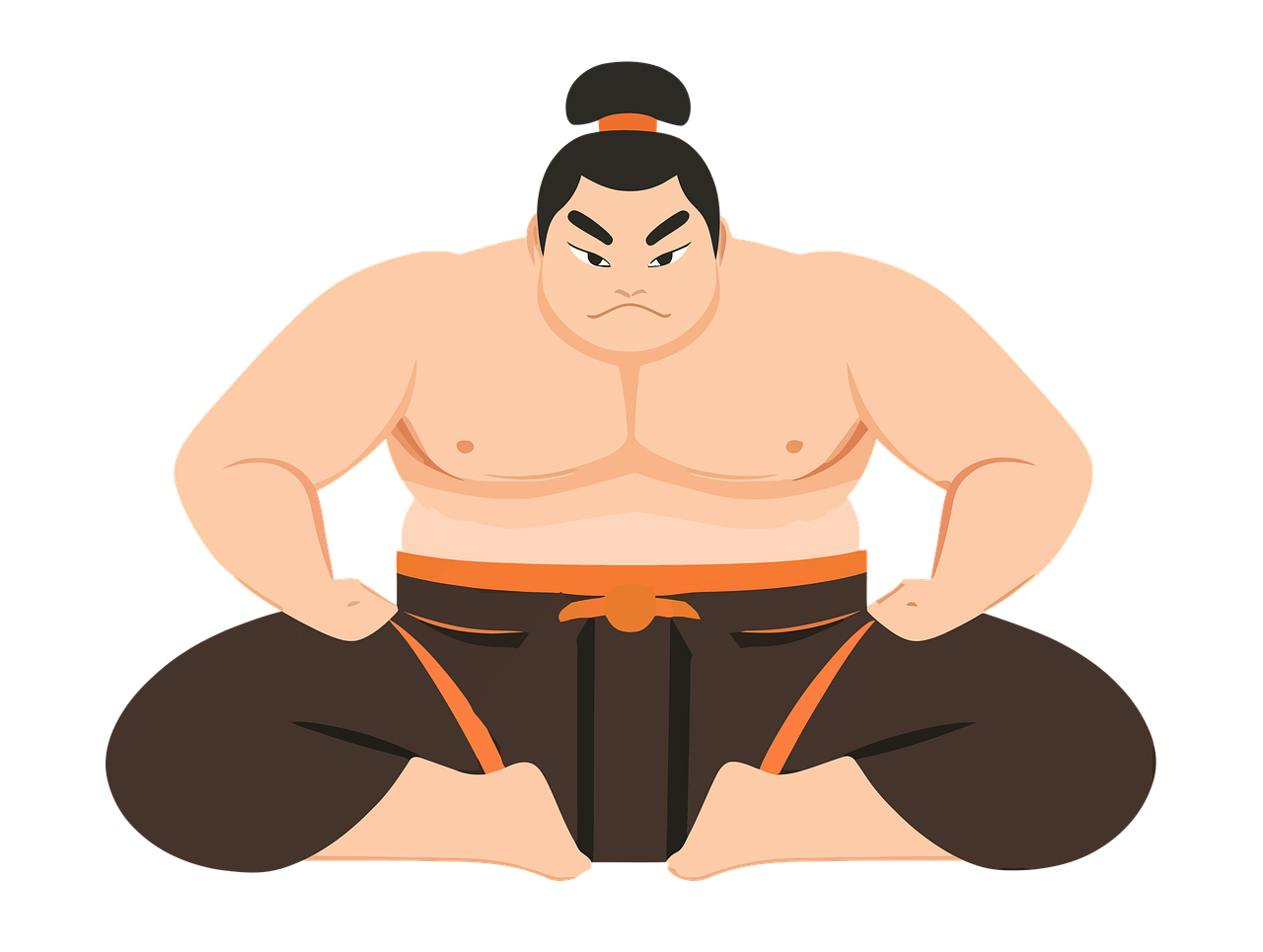

Sumo Wrestling’s Influence on Other Sports
Sumo wrestling, a traditional Japanese sport, has a unique cultural origin that sets it apart from other forms of competition. It emphasizes not just physical strength but also technique, discipline, and respect. These fundamental qualities have permeated various other sports over the years, inspiring athletes and enhancing their training methodologies. Sumo wrestlers exemplify incredible physical conditioning, and their specialized training regimens focus on building strength, speed, and balance. This specific emphasis on balance has influenced sports like wrestling, judo, and even mixed martial arts (MMA). Many techniques utilized by sumo wrestlers are observed and adapted by athletes in these sports, aiming to gain a competitive upper hand. Moreover, sumo’s focus on ritual and respect influences the sports culture, encouraging disciplines such as judo and grappling to honor opponents and the sport itself. Many practitioners adopt similar rituals as a show of respect before engaging in matches. Thus, the virtues taught in sumo wrestling extend into various areas, promoting resilience and honoring tradition, key concepts that enhance the ethos of numerous sports across the globe.
Additionally, the psychological traits learned in sumo wrestling have impacted other athletic disciplines. Wrestlers cultivate immense mental fortitude, as matches often require unwavering focus and intense concentration. This psychological resilience is crucial in other sports, where mental strength can greatly dictate performance outcomes. For instance, athletes in football and basketball can utilize similar concentration techniques to improve their focus during high-pressure moments in competitive games. Coaches across various disciplines have observed the advantages of incorporating mental conditioning practices inspired by sumo wrestling. This involves visualization techniques, meditation, and breathing exercises, which enhance the athlete’s mental capacity to excel. Such attributes, derived from sumo’s unique environment, help mold athletes into more rounded competitors, ultimately enhancing their game performance. Moreover, team dynamics in sports such as rugby and football can also be influenced positively through the teachings from sumo wrestling regarding camaraderie and mutual respect among team members. Such principles create a sense of unity and can strengthen team performance, allowing for a more cohesive atmosphere where athletes thrive.
Physical Conditioning Inspired by Sumo
The physical conditioning aspects of sumo wrestling are particularly striking and have led to adaptations in various sports. Sumo wrestlers maintain a weight advantage, emphasizing resistance training and explosive strength, which are increasingly being recognized across different athletic realms. For instance, basketball players have begun incorporating sumo-derived strength-training techniques to enhance their explosive jumping ability, crucial for rebounding and shot-blocking. Similarly, sprinters also adopt certain conditioning exercises inspired by sumo training which focus on agility and lower-body strength. Plyometric training often reflects the explosive power seen in sumo wrestlers, providing athletes with the necessary tools to enhance their speed and agility. Rugby players, known for their physicality, also draw inspiration from sumo wrestlers, focusing on wrestling techniques that improve tackling and scrummaging skills. These crossovers demonstrate how the training regimes can be effectively blended, allowing athletes from diverse backgrounds to benefit from sumo’s rigorous workout strategies, thus enhancing their own sport-specific performances profoundly.
Moreover, the strategic aspect of sumo wrestling brings in unique methodologies adopted by coaches in various sports. Sumo matches often revolve around reading one’s opponent, creating strategies based on their movements and habits. Coaches in combat sports and team sports have observed these elements, integrating the importance of strategizing in their training sessions. This approach encourages athletes to analyze their rivals closely, enhancing their tactical thinking and adaptability in competitive environments. Athletes in boxing have also begun utilizing sumo principles, studying their opponents’ timing and movements to create effective evasive strategies and counter-attacks. Understanding one’s opponent is critical in developing successful techniques, leading to improved performance and outcome predictability. Likewise, tactical methodologies derived from sumo have influenced sports like soccer, where analyzing opponents’ play styles strengthens overall team strategy. Thus, sumo wrestling promotes not just physical prowess but a sophisticated understanding of strategy integral to success across various sports disciplines.
Cultural Impact on Team Sports
Additionally, sumo wrestling’s cultural aspects profoundly affect team sports dynamics, fostering a spirit of respect and sportsmanship. The sport’s traditional rituals and gestures foster sportsmanship, which can be seen greatly in contemporary team sports such as soccer and basketball. Athletes are encouraged to honor not only their teammates but also their competitors, creating an encouraging environment for healthy competition. This cultural respect cultivates positive relationships, strengthening team morale. Sports organizations are beginning to integrate respect and acknowledgment rituals commonly observed in sumo wrestling, resulting in athletes exhibiting commendable ethical behavior on and off the field. The communal aspect of sumo also resonates with team dynamics as athletes bond and form strong connections based on shared experiences and mutual respect. Moreover, sportsmanship derived from sumo wrestling influences youth sports programs, instilling core values that promote respect, fairness, and character development amongst young athletes. Hence, sumo’s cultural impact plays a pivotal role in shaping the ethos surrounding teamwork and camaraderie in diverse sporting avenues.
Furthermore, the influence of sumo on sports extends into entertainment and media portrayals. The grand and dramatic characteristics of sumo wrestling have changed the way other sports are represented in media. Sports broadcasts often borrow stylistic elements from sumo matches, incorporating the surrounding pageantry, commentary styles, and even match formats. This stylistic crossover can make sports more engaging for the audience, drawing in viewers who appreciate the rich cultural backdrop of sumo wrestling. Introducing these visually impactful elements can also enhance the marketing of various sports, making them more appealing. Cross-promotions have become more common, allowing proponents of wrestling and professional fights to borrow from sumo’s rich tradition, improving promotional strategies for events. The aesthetics of sumo wrestling, paired with its intense competitive spirit, have influenced how sports broadcasts convey stories, creating a narrative that captures the audience’s attention. Consequently, sumo wrestling has contributed significantly to the modernization of sports presentation through an impactful and culturally significant lens.
Conclusions: The Enduring Legacy of Sumo
In conclusion, the influence of sumo wrestling on various sports is profound and multi-faceted, demonstrating the far-reaching impact of this ancient discipline. Not just through physical training and strategic insights but also in enhancing cultural views about competition and sportsmanship. Athletes and coaches across many fields are beginning to recognize the invaluable teachings from sumo, implementing aspects of training, mental conditioning, and team dynamics derived from this unique sport. As the connection between sumo wrestling and other athletic disciplines continues to evolve, it will likely inspire upcoming generations of athletes seeking to enhance their performance comprehensively. Therefore, understanding the legacy of sumo wrestling offers crucial insights into a holistic approach to athletics, focused on respect, strategy, and non-verbal communication. As this ancient sport continues to influence the modern athletic landscape, its teachings serve to remind athletes that success encompasses not solely physical strength but an intertwined respect for the sport and its practitioners. This ongoing legacy ensures that sumo wrestling remains a vital part of sporting culture, transcending boundaries and inspiring athletes around the world for years to come.
In summary, sumo wrestling’s influence on various sports demonstrates a rich intersection of culture, strategy, and physicality. The integration of its core elements into training regimens and team dynamics illustrates the sport’s enduring relevance. Through the adaptation of sumo-derived techniques and principles, athletes translate the benefits of respect, mental resilience, and rigorous conditioning into tangible performance improvements. Furthermore, as media continues to highlight the drama and aesthetic of sumo, it fosters greater appreciation and understanding of its legacy among new fans and athletes. Sumo’s timeless teachings provide essential insights for players engaged in different competitive fields, continually shaping the ethos of sportsmanship across the globe. As athletes delve deeper into codifying their approaches, the intersection of sumo wrestling within the larger sports arena proves to be a significant roadmap rich with tradition and respect. The ability to foster cultural coherence while magnifying camaraderie ultimately leads to a more unified sporting community. In recognizing and welcoming the influences of sumo wrestling, today’s athletes set the stage for future sporting excellence that is grounded in insight, understanding, and mutual respect.