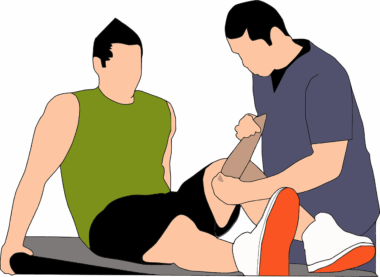

The Role of Consent in Sports Injury Treatments
In the field of sports medicine, obtaining informed consent is a fundamental aspect of ethical practice. Medical professionals, including athletic trainers and doctors, are responsible for ensuring that athletes understand the nature of their injuries and the proposed treatment options. Informed consent emphasizes the patient’s autonomy and the necessity to make educated decisions regarding their health. This is especially vital in high-stakes environments where athletes might feel pressured to return to play quickly. Effective communication is key; practitioners must deliver clear information about risks, benefits, and alternatives. Athletes should be able to express their concerns without feeling coerced. Furthermore, consent must be ongoing, particularly in cases where treatment evolves or new information arises. This process not only fosters trust between the athlete and medical professional but also promotes collaborative decision-making. Ultimately, respecting an athlete’s right to make autonomous decisions can lead to better health outcomes and a more positive experience in their sports career. Sports organizations also have a role in creating an environment that supports ethical practices relating to consent for injury treatments, reinforcing the importance of athlete well-being.
To navigate the complexities of consent in sports medicine, ethical guidelines and legal frameworks must be understood. The American College of Sports Medicine (ACSM) emphasizes that consent is not merely a formality but rather a process that evolves over time. Healthcare providers should establish a foundation of trust, allowing athletes to feel secure in discussing uncomfortable topics. To better illustrate the ethical dilemmas faced, consider the case of a young athlete with a traumatic injury who may be at risk of long-term impairment. Healthcare providers must thoroughly explain all potential treatment paths and their consequences. Furthermore, they should ensure that minors have adult representation during these discussions since they may lack the capacity to fully comprehend implications. Ultimately, implementing standard operating procedures for obtaining informed consent can help standardize practice and reduce culpability in cases of disputes. Additionally, education programs on ethics in sports medicine can empower young practitioners to navigate these intricate issues in their careers while upholding the highest standards of care and respecting the autonomy of athletes in their treatment decisions.
Challenges in Informed Consent
Sports medicine professionals face unique challenges when it comes to obtaining informed consent from athletes. Factors such as age, experience, and familiarity with medical procedures can significantly influence an athlete’s understanding of consent. Young athletes, especially, may struggle to grasp the implications of various treatments, making it essential for practitioners to provide education tailored to their developmental level. Additionally, the cultural background or personal beliefs of an athlete can affect how they perceive medical advice. Furthermore, there is often the pressure to prioritize performance over health, which can complicate the consent process. Athletes may feel compelled to agree to treatments without fully understanding the potential risks involved due to the competitive nature of their sports environments. To address these challenges, practitioners must adopt a culturally sensitive approach, ensuring clear communication is tailored to each athlete’s needs. This often involves using visual aids, simplified language, or even having family members present to bridge gaps in understanding. By acknowledging these complexities, sports medicine professionals can work to enhance the consent process while ensuring that athletes remain informed and empowered in their treatment decisions.
Another significant concern regarding consent in sports medicine is the impact of team dynamics on an athlete’s decision-making process. Often, athletes depend heavily on coaches, teammates, and even fans for moral support, which can result in pressure to conform to group expectations. This pressure might lead athletes to ignore their best interests, particularly if an injury treatment plan seems counterproductive to team goals. A culture that undervalues player well-being can inadvertently compromise the integrity of the consent process. Medical personnel must remain vigilant in spotting these influences and maintain their commitment to patient advocacy. It is crucial for sports organizations to cultivate a culture that aligns team goals with individual health needs. This can be achieved through education, policies, and practices that emphasize the importance of health as a priority. Regular workshops on informed consent, as well as discussions on ethics with athletes and coaches, help empower everyone involved. Such initiatives can ensure that athletes have the freedom to make choices that align with their best health interests, free from undue pressure. As such, understanding the inherent challenges of group dynamics is essential for ethical sports medicine practices.
Legal Implications of Consent
Understanding the legal aspects surrounding consent in sports medicine is crucial for professionals within the field. Neglecting to obtain proper informed consent can lead to significant legal liabilities and ethical repercussions. Athletes who feel misinformed or coerced into accepting treatment without clear understanding may pursue legal action against healthcare providers and organizations. Practitioners must be diligent in documenting their consent processes meticulously, as this documentation serves as a safeguard if disputes arise in the future. Legal requirements may differ among regions, thus necessitating familiarity with local regulations and standards of care. In addition, continuous education about changes in laws related to health care and consent is vital for practitioners. Many organizations also provide resources to assist professionals in understanding these legal guidelines. It is imperative to not only focus on ethical consent but also comprehend how legislation informs best practices. The integration of legal awareness into the daily routines of sports medicine practitioners fosters a culture of accountability and strengthens the ethical framework under which they operate. Ultimately, this knowledge will protect the rights of athletes while encouraging transparent and respectful healthcare practices.
Moreover, administrative policies regarding consent in professional sports organizations must be taken into account. Many organizations have established protocols for acquiring consent that align with both ethical standards and legal requirements. These policies serve as important frameworks that guide healthcare providers while ensuring athletes’ rights are respected in tandem. Compliance with such policies can help mitigate risks associated with misunderstandings or incomplete information during the treatment process. For example, organizations may require regular training for healthcare staff to remain updated on best practices in obtaining informed consent, emphasizing communication strategies tailored to athletes’ needs. Such initiatives contribute to building a culture of safety and ethics around injury treatment. Athletes should feel confident their decisions are respected and understood. A strong emphasis on informed consent can also demonstrate to sponsors, the media, and fans that the organization is committed to prioritizing athlete health. Addressing administrative policies concerning consent can foster an environment where informed decision-making becomes standard practice, ultimately benefiting both athletes and the organization in question. Awareness and adherence to protocols can help promote a healthier paradigm in sports medicine ethics.
Future Directions in Sports Medicine Consent
Looking ahead, innovations in technology may provide new avenues for enhancing informed consent in sports medicine. As telehealth becomes more prevalent, remote consultations serve as effective platforms for discussing treatment options and acquiring consent. Through video conferencing tools, athletes can have more personalized engagements with healthcare professionals, thereby encouraging open dialogue. This can be particularly beneficial for athletes located in remote areas or those who require follow-up consultations and may not be able to meet in person due to travel constraints. Moreover, digital platforms can facilitate the sharing of educational materials part of the consent process. Visual aids, videos, and informational resources sent electronically can support athletes in making informed choices regarding their treatment plans throughout their recovery. However, it is essential that these resources maintain a high standard of clarity and relevance. As technology continues to evolve, sports medicine professionals must stay attuned to its ethical implications, ensuring informed consent processes remain robust and do not compromise the quality of care. In fostering a future where technology enhances consent practices, the integrity of patient autonomy in sports medicine will be upheld.
In conclusion, the role of consent in sports injury treatments cannot be overstated. With ethical practices at the forefront of sports medicine, the responsibility lies both on healthcare providers and sports organizations to create environments that prioritize athlete welfare. Informed consent is not just a checklist to be completed; it embodies the respect for an athlete’s autonomy and decision-making ability. Challenges persist, such as the influence of team dynamics and the need for clear legal frameworks. However, acknowledging these issues opens avenues for improving practices in consent management. By fostering transparent communication, staying updated with legal requirements, and utilizing technology, sports medicine professionals can strengthen the informed consent process. Empowering athletes to make informed choices about their treatment is ultimately a pathway to achieving better health outcomes and enhancing the overall experience of their sports careers. As the field evolves, commitment to ethical standards in obtaining consent will reflect positively on the entire sports community. Together, these efforts can cultivate a culture of trust and respect, ensuring that athletes remain at the center of their healthcare journey.