
Understanding the Different Phases of a Rowing Stroke
The rowing stroke is crucial for efficient performance and consists of phases that can significantly impact overall speed and power. Each phase of the stroke requires precise timing and technique. The first phase is the catch, where the rower prepares to pull the oar through the water. At this moment, the rower’s body should be in a forward position, and the arms should be extended. It’s essential to maintain a strong core and appropriate posture, which can enhance the effectiveness of the pull. Following the catch is the drive phase, which begins with a powerful leg push against the foot stretchers. This is where most of the force is generated, as the legs work in unison with the back and arms. The drive continues until the oar exits the water, signifying the flow into the finish phase. During the finish phase, rowers should focus on drawing the oar to their bodies in a smooth motion. Lastly, the recovery phase is vital for maintaining rhythm. A balanced recovery sets up the next stroke effectively.
Breaking Down the Stroke Phases
Rowing strokes can be broken down into four main phases: catch, drive, finish, and recovery, each requiring dedication. At the catch, timing is everything. Good rowers set their oars gently into the water while keeping their bodies composed. Initiating the drive phase is about leveraging leg strength; the legs should explode from their position to maximize efficiency. Moreover, the core plays a crucial role in transferring this power to the oar. In the finish, maintaining strong oar control remains essential to optimize speed and effectiveness. During this phase, the rower will conclude the stroke while compacting their body forward. After the finish, the smooth transition into recovery allows rowers to reset for the next stroke. In the recovery, focus should be on uncoiling the body and extending the arms to maintain forward momentum. Each phase ties together for effective rowing, ensuring no energy is wasted. Successful rowing relies on mastering these distinct phases, which collectively contribute to greater speed and performance on the water.
The catch phase requires synchronization, which dictates the quality of the entire stroke cycle. Initiating a stroke with precision is key. When rowers effectively coordinate their catch, they can dramatically increase their speed. A positive catch influences the drive phase strongly. Proper technique during this phase helps rowers generate power without compromising their rhythm. The mechanics of the body during the catch are essential; arms and shoulders should align correctly to avoid strain. Moving into the drive phase, effective pushes from the legs provide the necessary acceleration. Relying solely on upper body strength can lead to fatigue and inefficiency over time. This highlights the importance of leg strength and conditioning in rowing workouts. During the drive, the timing of the connection between legs, core, and arms must be executed flawlessly. As the stroke moves into the finish, rowers should focus on maintaining engagement with the oar to maximize propulsion. Finally, the recovery phase provides a moment to regroup, encouraging muscle restoration to prevent fatigue during longer rowing sessions.
The Importance of the Drive Phase
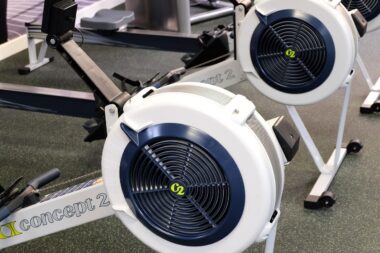
The drive phase in rowing is the powerhouse of the stroke, making it critical for all athletes. It sets up the efficiency and is where power translates directly into boat speed. The coordination of the legs and core is fundamental to ensure effective force application; rowers must build strength in these areas through specialized training. Timing comes into play here as well; legs should not fully extend until they feel maximum pressure through the oar. Fostering a strong connection between the core and arms allows for better energy transfer, maximizing impact on speed. Rowers often utilize rowing machines to enhance their drive phase, focusing on explosiveness during training. Integrating techniques like resistance training can further augment this force production. Consistency in maintaining a smooth transition from leg to back engagement is crucial. Neglecting this aspect can lead to inconsistency in performance. The finish phase also ties into the drive; if the drive is poorly executed, subsequent strokes will suffer. Therefore, emphasizing training on this phase is vital to achieve peak performance.
In the finish phase, maintaining optimal technique is vital for strong rowing performance. At this stage, the rower pulls the oar towards their body, concurrently sitting tall to maintain balance. A tight grip on the oar allows rowers to control their movements effectively. Concentrating on form minimizes wasted energy that could otherwise detract from performance. A common error is rushing through this phase; taking time to execute it properly lays a healthier foundation for the recovery. Following the finish, rowers will enter the recovery phase, a chance to reset their positioning for the next stroke. This phase encourages adequate breathing and muscle recovery while ensuring a fluid transition into the next catch. Smooth body movements are essential; a clipped recovery can hinder a rower’s performance. Practicing each aspect separately can help reinforce these motions. Lastly, maintaining a mindful approach throughout all phases grants better overall performance outcomes. This holistic understanding of stroke mechanics will help cultivate efficient workouts and resilience of the rowers. Focusing on these nuances ensures that every row, whether in practice or competition, becomes progressively better.
Steps to Improvement in Stroke Efficiency
Improving stroke efficiency in rowing requires dedicated practice and refined techniques throughout each phase. Rowers can begin focusing on the catch by ensuring that it is deliberate and clean. Utilizing drills that enhance catch timing, like pauses at the catch position, can improve familiarity. For better drive execution, rowers should integrate strength training, concentrating on their legs and core to optimize body mechanics. Performance metrics such as stroke rate and split times can help gauge rowing efficiency effectively. Engaging in cross-training can also facility strength and flexibility; targeting various muscle groups ensures balanced training. Additionally, incorporating mental strategies, such as visualizing each stroke, can enhance overall performance. Regularly reviewing and correcting technique can make sure that rowers maintain form as their workouts progress. Furthermore, making adjustments based on feedback from coaches can expedite improvements. One might even consider using video analysis to better visualize stroke mechanics. Analyzing these insights can produce excellent learning opportunities and reveal areas for growth that athletes may overlook.
The rowing stroke is a complex but rewarding movement that requires a keen understanding of its different phases. Each stroke matters significantly, and mastering the art of rowing forms the foundation for elite performance. The strength of the catch, the explosive drive, the controlled finish, and the smooth recovery serve as building blocks for a successful rowing career. Thus, training with intention while focusing on each stage individually allows rowers to master their techniques gradually. Proper strengthening routines should include exercises that emphasize rowing mechanics across phases. Engaging in such efforts transforms rowers into more adept athletes. Additionally, learning from experienced crews can provide insights into incorporating these practices into daily training regimens. Consistent review and focus on all phases lead to enhanced performance during actual rowing sessions. Athletes should regard improvement as a continual process, enhancing their skills daily. As rowers develop their techniques, they not only need patience but also trust in practice. Ensuring each phase is honed to perfection paves the way for faster, more efficient strokes, leading to successful rowing endeavors.
Conclusion on Rowing Techniques
Mastering the different phases of the rowing stroke is essential for success in any rowing endeavor. Each phase – catch, drive, finish, and recovery – plays a significant role in overall performance and efficiency on the water. By understanding and refining these distinct components, athletes can significantly enhance their power output, speed, and technique. Focused training strategies are critical, allowing rowers to target weakness effectively. Incorporating strength and conditioning, while ensuring proper stroke mechanics will cultivate higher proficiency levels. With time and dedication, consistent improvement and performance enhancement are achievable. Rowers should strive to obtain feedback from experienced coaches who can provide invaluable input on their techniques. Moreover, leveraging technology, such as rowing simulations, provides instantaneous feedback and tracks progress. This thorough analysis allows rowers to adjust and refine their strokes on the fly. Cultivating a lifelong habit of reviewing and improving stroke techniques will maximize rowing efficiency year after year. As rowers remain committed to their development, they will discover that every small improvement leads to superior performance out on the water.