
Flexibility and Mobility Exercises for Float Serve Training
Float serves in volleyball are essential for effective gameplay. Mastering this technique relies heavily on flexibility and mobility. Incorporating specific exercises into your training routine can improve your performance significantly. Flexibility enhances your range of motion, allowing for smoother movements. Mobility ensures that your body can transition quickly between positions. To develop both, focus on exercises that stretch and strengthen key muscle groups used in volleyball. These exercises should target your legs, core, shoulders, and wrists. Consistent practice will lead to improved serves, enhancing your overall efficiency on the court. Consider various stretches such as hamstring stretches, shoulder dislocates, and wrist flexor stretches. Always warm up before diving into these routines. This can include light jogging or dynamic movements that mimic volleyball actions. Always aim for a balance between strength and flexibility for optimal performance. As you become more comfortable with the exercises, increase intensity and repetitions. Monitor your range of motion and adjust as necessary, ensuring that you stay within safe limits. With dedication and time, your float serve will become more precise, ultimately benefiting your overall gameplay.
Target Areas for Mobility Exercises
When focusing on float serve training, certain muscle groups play a crucial role. Understanding these target areas can help tailor your flexibility and mobility exercises. Primarily, the shoulder muscles require special attention. Strong shoulders are essential for accurate serves. Incorporating mobility drills, such as wall angels and arm circles, can promote shoulder flexibility. Furthermore, your core stability significantly impacts your serving power. Strengthening exercises like planks and Russian twists enhance core control. Your legs also demand specific mobility work. They provide the necessary drive and support during the serve. Perform dynamic lunges and ankle mobility drills to improve leg flexibility. Additionally, wrist flexibility is critical to achieving the right angles during your float serve. Exercises like wrist circles and finger extensions can help. Regularly focusing on these target areas will lead to improved performance. It is important to structure your routine effectively. Start with flexibility exercises to loosen your muscles. Follow with targeted mobility exercises to strengthen those areas. Always listen to your body’s response to each exercise and adjust the intensity accordingly. Consistently addressing these areas will result in a more efficient and powerful float serve.
To maximize your float serve performance, consider implementing a comprehensive warm-up routine. Warm-ups are vital for preparing your body, both mentally and physically. A great warm-up should involve a mix of light cardio and dynamic stretching. Begin with activities like jogging or skipping to raise your heart rate. Following this, include dynamic stretches which mimic the volleyball movements. Exercises such as high knees and butt-kickers can help activate key muscle groups. Spend at least ten minutes on your warm-up to ensure your body is adequately prepared. Flexibility-related exercises, such as leg swings and torso twists, are also beneficial. These exercises will ensure your muscles are engaged and ready for action. Focus on mobility drills that directly relate to the floating serve action. Practice movements that involve rotation as you prepare to serve. This helps create muscle memory, which is crucial during actual gameplay. As you transition into your serving drills, maintain an emphasis on form. Proper form during your serve will prevent injuries and enhance your overall performance on the court. Finally, remember to cool down after training sessions to maintain muscle health and flexibility.
Incorporating balance training into your routine can also significantly contribute to your float serve technique. Balance is an often-overlooked aspect of volleyball that holds great importance. A strong sense of balance ensures that your body remains stable when performing serves. Exercises like single-leg stands or stability ball workouts can develop balance further. Incorporate these exercises regularly in your training regimen. Balancing methods promote coordination, which is crucial for precise serving. As you enhance your balance, try adding challenges to your training. For instance, perform your balance exercises on uneven surfaces or with your eyes closed. This increases the difficulty, promoting better core engagement. Your core stability directly influences your timing and accuracy when serving. Regular practice of balance workouts will lead to improved performance on the court. Always be mindful of maintaining alignment during balance exercises. Poor alignment can lead to injuries and hinder performance. Track your progress and assess how your balance training affects your float serve technique. With sustained effort, you’ll notice marked improvements in your control and precision. Balance is the foundation upon which great float serves are built, allowing you to dominate on the volleyball court.
Advanced Stretching Techniques
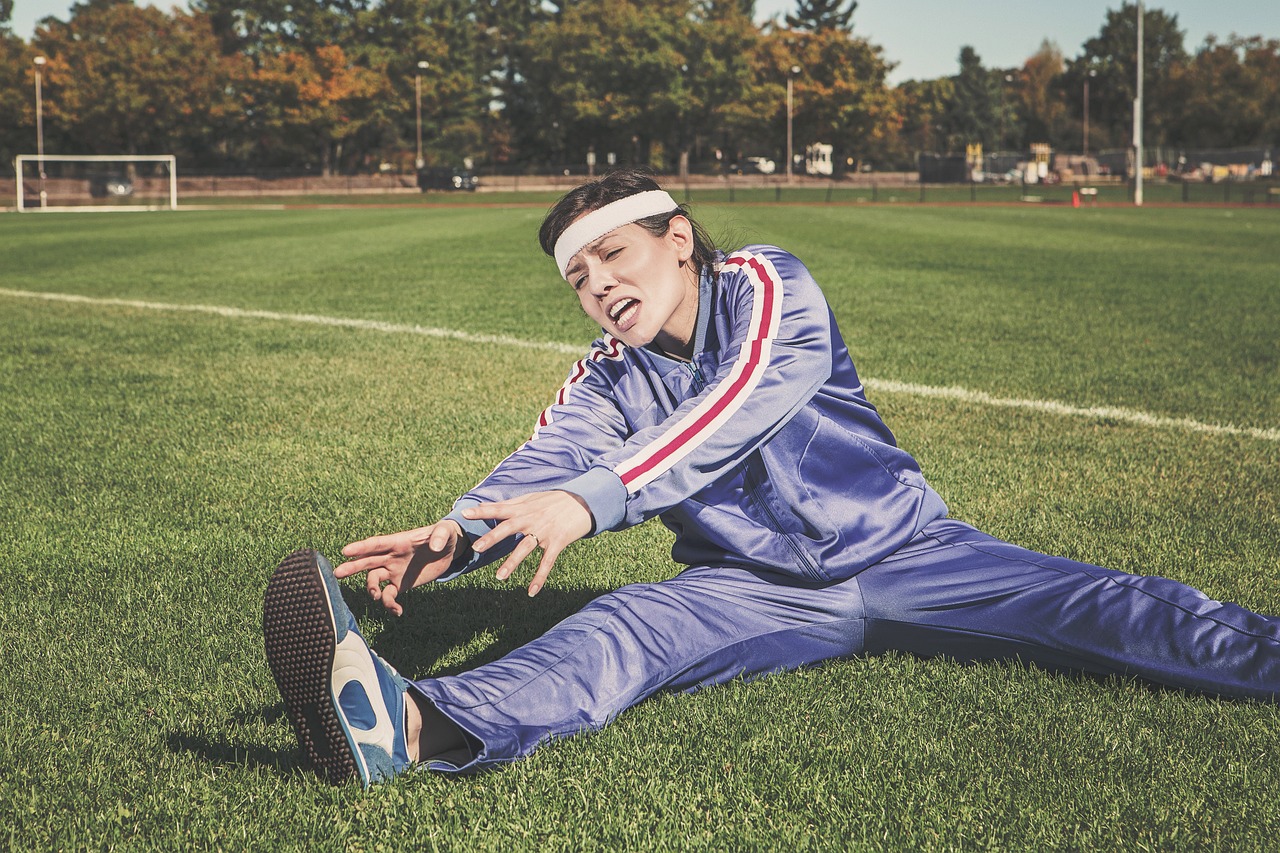
As you progress in your float serve training, consider incorporating advanced stretching techniques. These techniques will enhance your flexibility and mobility. Dynamic stretching is an excellent choice during your warm-up phase. It prepares your muscles for activity while increasing blood flow. Incorporate movements such as leg swings and arm circles to improve your range of motion. Static stretching is equally important after your training sessions; it aids in muscle recovery and prevents tightness. Focus on holding stretches like the butterfly stretch or hamstring stretch for thirty seconds. Additionally, incorporate partner-assisted stretching for more effective results. Your training partner can help deepen stretches, allowing you to gain flexibility more quickly. Foam rolling is another technique to consider. Regular foam rolling helps release muscle tension and improve mobility. Target your quadriceps, hamstrings, and shoulders with the foam roller for optimal recovery. Always listen to your body during these advanced techniques. If at any time you feel pain, cease the activity immediately. Keep an eye on those parts that feel particularly tight or restricted. Through routine practice, advanced stretching techniques can greatly improve your float serve efficiency.
Nutrition plays an essential role in enhancing your flexibility and mobility, influencing your float serve as well. Proper nutrition supports muscle health, allowing for efficient recovery. Prioritize a balanced diet that includes sufficient proteins, vitamins, and minerals. These nutrients promote both muscle development and flexibility. Hydration is also crucial; dehydration can lead to muscle cramping and stiffness. Ensure you consume enough water throughout the day, especially before and after practice. Incorporate foods rich in omega-3 fatty acids, such as salmon. These promote joint health and reduce inflammation. Additionally, include magnesium-rich foods, such as leafy greens, nuts, and whole grains. Magnesium aids muscle recovery and supports overall flexibility. Bring nutrient-rich snacks like bananas or protein bars to training sessions, helping maintain energy levels. Timing your meals is essential; eat a nutritious meal a few hours before your practice. This ensures your body has the fuel it needs during training. After training, consume a recovery snack that combines protein and carbohydrates. This promotes muscle repair and replenishes energy stores. Paying attention to nutrition can quickly improve your performance in float serve training and help you reach your full potential.
Maintaining a consistent training schedule is vital for improving your float serve skills. Consistency allows your body to adapt and develop muscle memory, enhancing your serve’s precision. Set clear goals regarding your float serve performance. This clarity will help you remain focused on improvement. Aim for specific milestones, like increased serving accuracy or greater control during matches. Track your progress in a training diary, noting improvements and setbacks. This will motivate you to push your limits and refine your technique. Design a training regimen that encompasses all the essential components: strength, flexibility, balance, and skill practice. Schedule focused training sessions for float serving, ensuring you dedicate time to both drills and exercises. Deliberate practice is essential; spend time isolating your float serve technique for maximum benefit. Additionally, vary your routine to avoid stagnation. Introduce new exercises or challenges to keep your training fresh and engaging. Incorporate feedback from coaches or peers to further enhance your performance. Stay accountable to your training schedule and prioritize flexibility and mobility exercises. Over time, your commitment to consistent training will lead to significant improvements in your float serve capability.
In conclusion, enhancing your float serve training through flexibility and mobility exercises is a comprehensive approach. You can significantly improve your volleyball performance by targeting key muscle groups and incorporating proper nutrition and recovery. Remember that commitment to a structured training regimen will yield the best results. The combination of balance, coordination, and strength is vital for a successful float serve. Make sure to incorporate dynamic warm-ups before training, followed by advanced stretching techniques. Consistency is the key factor; regular training will lead to improved flexibility and serve accuracy. Don’t forget the importance of balance training, which supports proper body alignment and control during serving. Monitor your progress and adjust your routine based on your personal goals. With time, you will see improvements in your float serve and overall performance. Celebrate your achievements, no matter how small, along the way, as each step is part of the journey. Leverage the knowledge shared here to optimize your training efforts. With diligence, your float serve will become a reliable weapon on the court. Embrace this journey, and you’ll witness remarkable growth in your volleyball skills.