
Proper Footwear Selection for Safe Plyometric Workouts
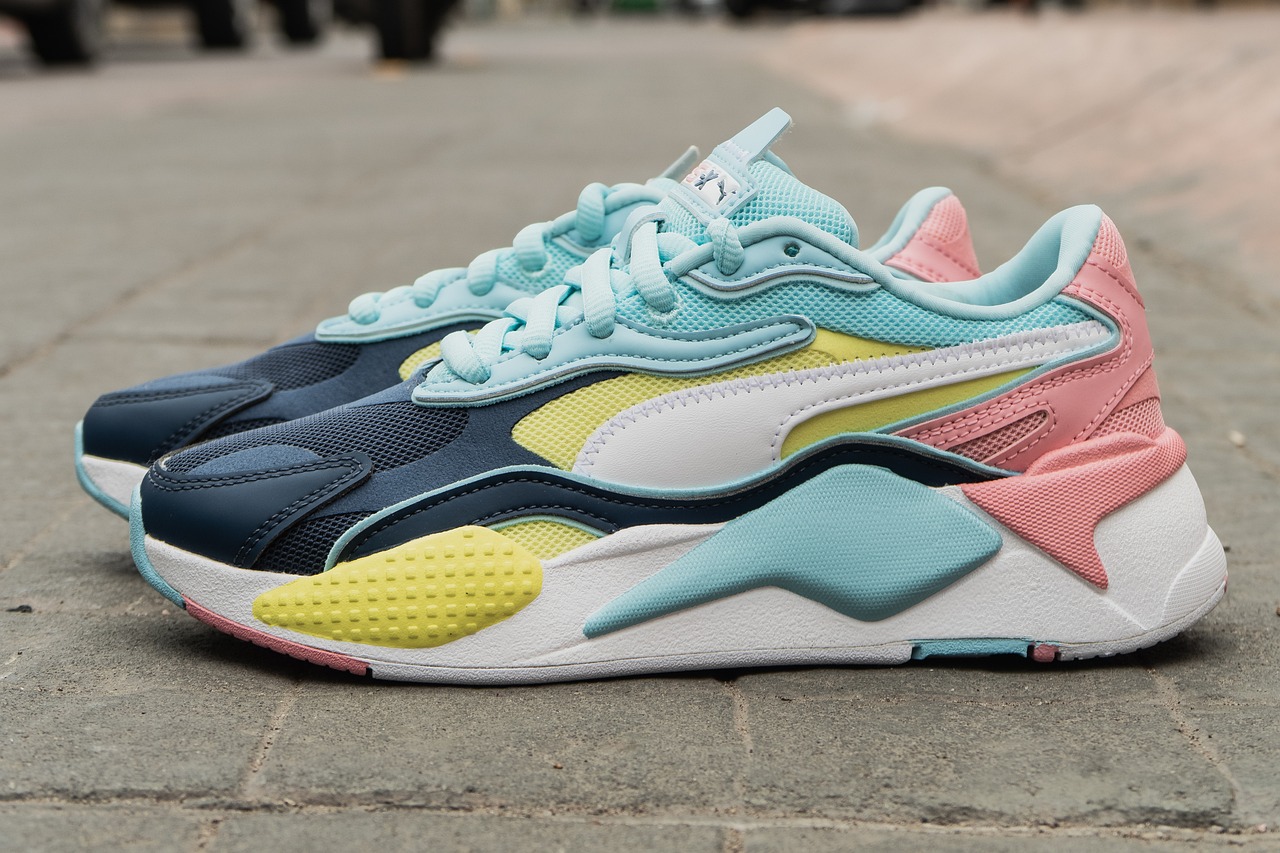
Plyometric training involves explosive movements, requiring highly efficient and accurate foot responses. To enhance performance while minimizing risks of injury, proper footwear selection is critical. The shoes should provide cushioned support, promoting both comfort and stability. Good footwear should also facilitate natural foot motion, allowing athletes to perform various plyometric exercises efficiently. Shoes designed specifically for training should feature a firm heel and adequate arch support to prevent foot fatigue. Ensure your shoes fit well and are not excessively worn, as this can lead to misalignment during jumps. An outstanding choice includes shoes with rubber soles, providing exceptional traction during quick, rapid movements. Look for shoes with lightweight materials, which promote speed and agility. Additionally, consider the type of plyometric exercises you’ll be doing; different patterns require different shoe characteristics. Always prioritize fit and comfort to enhance your experience and performance levels. Regularly replace your shoes, as worn-out footwear can compromise your safety. Before starting your plyometric exercises, always test your shoes under the conditions expected to ensure their adequacy. Quality footwear significantly contributes to safer plyometric workouts and overall performance.
Another critical aspect of footwear selection for plyometric training is understanding the surface on which exercises will be performed. Different surfaces react differently to athletic shoes. For instance, training on hard surfaces like gyms or sports courts demands shoes with extra shock absorption to avoid injuries. The impact forces during jumps can be significant, especially when landing. Wearing shoes designed for hard surfaces can significantly reduce the stress on joints and prevent injuries. In contrast, softer surfaces like grass or turf may require shoes with less cushioning and more traction to help balance and stability. Athletes should study the surface and select a shoe accordingly, ensuring safety during their workouts. Also, versatility is essential; some athletes may need to switch between different surfaces. In such cases, a multi-surface shoe may offer the necessary adaptability. Additionally, consult with coaches or experienced trainers to gain insights into footwear suitable for your specific needs. Regular assessments on surface conditions can help evaluate the adequacy of footwear and decide necessary adjustments. Ultimately, the right shoe plays a vital role in how successfully plyometric exercises can be performed without injury.
Fit is another crucial component of footwear selection for plyometric training, as improper fit can lead to significant safety issues. Shoes that are either too tight or too loose can hinder performance and lead to injuries. Footwear should provide a snug fit but still allow for some movement. It is advisable to try shoes on with the same socks intended for use during training sessions to assess the fit accurately. An ideal shoe should provide a comfortable fit around the toes and heel, with no slippage. Additional factors to consider include the width and arch height of the shoe; different brands accommodate various shaped feet. Lean towards shoes that suit your foot shape specifically. Avoid shoes that pinch or rub against any part of the foot. The material should provide sufficient breathability, especially during intense workouts where sweat is common. Special attention should be paid to the eyelets of the shoe where the laces feed through; they should stay secure during jumps and landings. Take your time to find the right fit, as an ill-fitting shoe can lead to blisters, arches collapsing, or overuse injuries. Therefore, prioritize comfort, fit, and stability.
Choosing the Right Material for Plyometric Shoes
The materials used to construct plyometric shoes significantly impact performance and comfort. Look for shoes made of breathable mesh, which enhances airflow and keeps feet cool during rigorous workouts. Breathable materials help to prevent excessive sweating, contributing to comfort and maintaining performance levels. Furthermore, durable external materials like synthetic leather or rubber provide protection against wear and tear, especially when engaging in high-impact activities. A supportive midsole should also be prioritized; materials offering firm cushioning help absorb shocks and deliver a seamless experience. The outsole material is equally important; rubber soles should have an excellent grip to aid in traction during various movements. Consider shoes that incorporate lightweight materials, which enhance agility and allow for quicker response times, particularly when performing explosive jumps. Volatile elements could lead to missteps or injuries, and ensuring shoes are lightweight can lessen fatigue. Incorporating various material technologies into the shoe design can enhance performance, support, and comfort. Therefore, thoroughly researching the material types is essential to guarantee safety during plyometric workouts, avoiding injuries while maximizing training efficiency.
Moreover, another essential factor in selecting the right footwear for plyometric training is the importance of cushioning. Adequate cushioning will not only provide comfort during high-impact exercises but also play a key role in reducing the risk of injury. When performing explosive jumps and movements, your body experiences a great deal of impact upon landing. Selecting shoes with appropriate cushioning can significantly absorb some of this force, thereby alleviating pressure on the knees, ankles, and lower back. Ensure that your training shoes are designed specifically for the level of cushioning you need based on your body weight and the intensity of the plyometric exercises. However, having an excessively cushioned shoe might compromise stability and lead to lack of control during exercises. A balance must be created between cushioning and stability, so the foot remains firmly planted during movements. Test different cushioning levels by trying out various shoe models, evaluating which provides the most effective combination. Take your time finding the cushioning that works for you, as this will greatly influence your training experience. The right cushioning avoids injuries while optimizing performance, ensuring long-term benefits from plyometric training.
Another aspect that should not be overlooked in plyometric training is the importance of shoe weight. The weight of your shoes can significantly influence your performance during workouts. Lighter shoes allow for quicker movements, enabling athletes to perform repeated jumps and explosive exercises more efficiently. A shoe that feels heavy can hinder speed and agility, which are crucial for plyometric training. It’s beneficial to choose lightweight options without compromising necessary cushioning and support. Many brands offer lightweight training shoes specifically designed for high-impact activities, achieving a balance between stability and efficiency. Performing plyometric exercises in unnecessarily heavy shoes can lead to fatigue and compromise form, increasing the risk of injury. Fitness enthusiasts should try shoes on to gauge how they feel during movement. Conducting short tests by simulating exercises provides a clearer idea of how the shoes perform under stress. It’s prudent to avoid adding extra weight to your training regimen through footwear. The end goal should be to find shoes that support your actions without slowing you down. Always remember that the right choice can greatly impact your overall plyometric training performance.
Lastly, it is vital to remember that proper maintenance of your footwear is key to safety and performance in plyometric training. Regularly inspecting your shoes for signs of wear and tear is crucial. Worn-out shoes can lead to decreased cushioning and support, ultimately increasing the risk of injury. Make it a habit to check the outsole for visible signs of damage, uneven wear, or reduced grip. The midsole should still feel supportive, and any flattening could be a sign that a replacement is due. Inspecting your footwear regularly also extends the shoes’ life, allowing you to maximize your investment. Keeping shoes clean can help maintain their performance; dirt can restrict breathability and reduce lifespan. If shoes become excessively filthy, use mild detergent and water to clean them, avoiding harsh chemicals. Store your shoes in a cool, dry place, avoiding extreme temperatures that could degrade materials. Consider rotating between a few pairs to extend their lives and ensure optimal performance as different pairs can cater to various training styles. Ultimately, taking the time to care for your footwear can save you from injuries and improve your plyometric training results.
It is essential to incorporate proper footwear into your plyometric training. Efforts dedicated to selecting the right shoes will pay dividends in the long run, providing both safety and improved performance. Choosing optimized shoes can enhance your workout experience, enabling you to perform at your best without discomfort or injury. Always ensure shoes are evaluated in conditions resembling actual training and emphasizing all aspects discussed. Comfort, fit, cushioning, weight, and maintenance all contribute to creating the optimal environment for effective plyometric workouts. Take the time to assess your needs and consult expert guidance when necessary. In summary, investing in the right footwear is a key step towards achieving success and maintaining safety in plyometric training. Keep these aspects in mind while you search for the right shoe. Make informed decisions to support your progression and enhance your athletic performance over time. The effort put into proper shoe selection is vital. Therefore, always prioritize what type of footwear works best for you to maintain peak physical health during rigorous workouts.