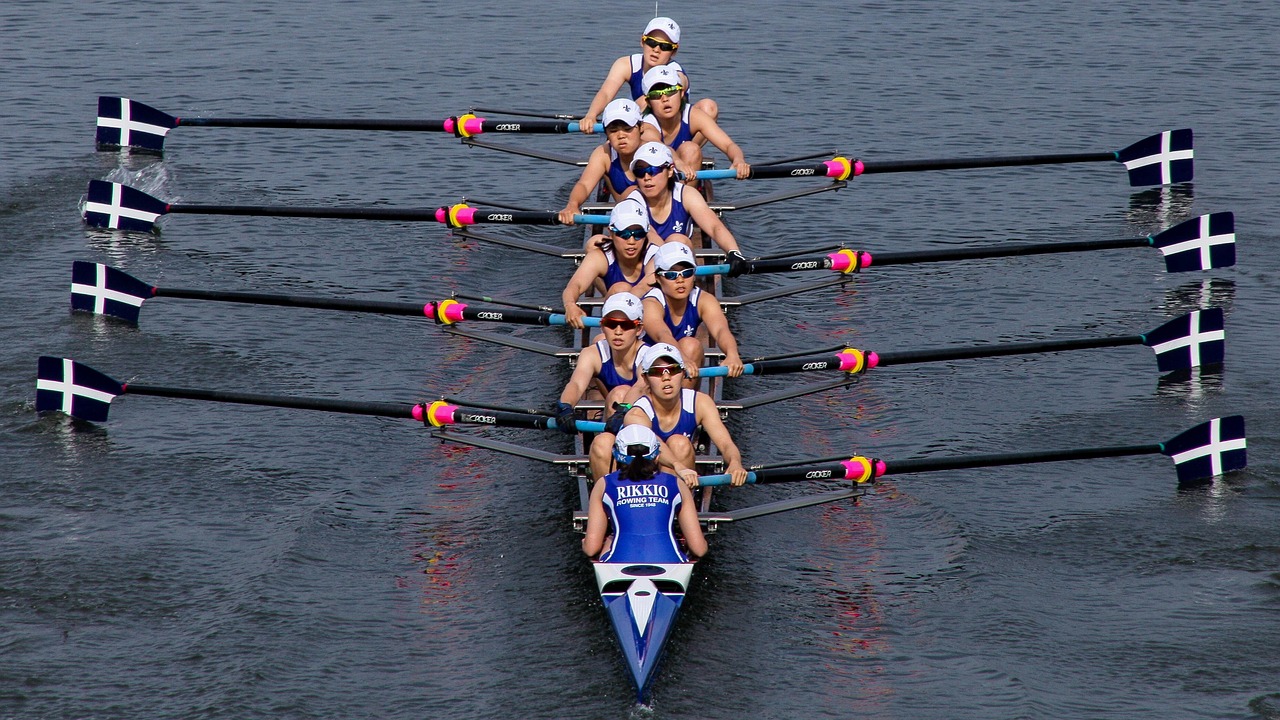

The Ultimate Guide to Long Distance Rowing for Beginners
Long distance rowing is an exciting and challenging sport that requires endurance, strength, and teamwork. If you are a beginner, it’s essential to understand the basics to enjoy this rewarding experience fully. Start by investing in a good-quality rowing machine or boat, as this will significantly enhance your training and performance. Learning the proper rowing technique is critical for efficiency and injury prevention. Make sure to focus on maintaining a straight back, proper grip on the oars, and a consistent stroke rate. Additionally, developing a training plan that incorporates both distance and strength sessions can help you build the endurance required for long-distance rowing events. Join a local rowing club or community to find training partners, gain valuable insights, and motivate each other. Often, clubs offer beginner courses that can teach you the fundamentals in a supportive environment. Lastly, remember to stay hydrated and fuel your body with nutritious foods to maintain your energy levels during your workouts. Long distances require mental strength as much as physical stamina; practice mindfulness techniques to help you stay focused and engaged.
Essential Gear for Long Distance Rowing
Equipping yourself appropriately for long distance rowing is crucial. First, select a comfortable and supportive rowing seat, as well as breathable clothing designed for water sports. Look for lightweight, moisture-wicking materials to keep you dry and comfortable. Rowing gloves can also provide a better grip and protect your hands from blisters during long sessions on the water. It’s advisable to invest in high-quality oars that match your skill level. A well-balanced, lightweight pair allows for easier maneuverability and better performance. Moreover, don’t forget about safety gear. A personal flotation device (PFD) is essential, especially if you plan on rowing in open water or unpredictable conditions. Other useful tools include a whistle, a first aid kit, and a tool kit to address minor repairs. Carrying a waterproof bag or container for personal belongings will also keep your essentials safe and dry. Lastly, make sure you have a solid navigation system onboard if rowing in unfamiliar territories. With the right equipment, you can focus on your performance while ensuring your safety and comfort.
Building Endurance for Long Distance Rowing
Endurance training is the backbone of long-distance rowing, enabling you to maintain your stamina throughout the race. Start with shorter distances and gradually increase your mileage. This method not only helps improve your fitness level but also allows your body to adapt to the physical demands of rowing. Incorporating interval training can also be beneficial; it helps improve both aerobic and anaerobic capacity. For instance, alternate between high-intensity rowing sessions and periods of recovery. Furthermore, cross-training activities like cycling, swimming, or running can enhance your overall fitness level and build endurance in different muscle groups. Don’t underestimate the importance of rest days; they are crucial for muscle recovery and overall performance improvement. Regularly monitoring your progress is important to identify areas needing improvement. Consider keeping a rowing log to track your distances, times, and perceived exertion levels. Listen to your body carefully; if you feel fatigued or experience pain, consult a professional or take a break. This balanced approach ensures you build a solid foundation for long-distance rowing without risking injury.
A proper nutrition strategy is essential for long distance rowing performance and recovery. Focus on consuming a balanced diet rich in carbohydrates, proteins, and healthy fats. Carbohydrates serve as the primary energy source during long outings; incorporate whole grains, fruits, and vegetables into your meals. Lean proteins like chicken, fish, and legumes aid in muscle repair and recovery. Healthy fats, such as those found in avocados, nuts, and olive oil, provide sustained energy. Before rowing, consume a small meal or snack that combines protein and carbohydrates, which will fuel your body for the upcoming workout. During long training sessions, be sure to hydrate regularly to prevent dehydration; carry a water bottle or sports drink for energy replenishment. Following your workouts, refuel with a nutritious meal or snack that includes both protein and carbohydrates to recover properly. Analyze your overall food intake regularly and adjust based on your training intensity and duration. A personalized nutrition plan can significantly impact your performance, beyond just the physical demands of rowing. Consider consulting a sports nutritionist for tailored advice.
The Mental Aspect of Long Distance Rowing
The mental aspect of long-distance rowing is just as important as the physical side. Mental toughness helps you push through challenging rows, fatigue, and the psychological barriers typically associated with endurance sports. To develop a strong mindset, practice visualization techniques, where you imagine yourself successfully completing a long-distance rowing event. This not only builds confidence but also establishes a mental blueprint for your race performance. Goal setting also plays a crucial role in maintaining motivation. Set short-term and long-term goals, assessing your progress regularly, and making adjustments. Such mental frameworks will help keep you engaged and focused. Mindfulness techniques, like meditation and deep breathing exercises, can reduce stress and help improve concentration during demanding training sessions. Implement positive self-talk strategies to combat negative thoughts that may arise during intense workouts or competitions; remind yourself of your capabilities and past successes. Finding joy in the process of rowing—appreciating the scenery, nature, and camaraderie—will enhance your experience and overall satisfaction. Remember, the mind and body work together, and mastering your mental approach is crucial for success.
Incorporating proper recovery strategies is vital for long-distance rowers. The rigors of training can lead to fatigue and muscle soreness if not appropriately addressed. Start by implementing dynamic stretching routines before each workout to enhance flexibility and prevent injuries. Always dedicate time to cool down after rowing sessions. This can include gentle stretches focusing on the arms, back, and legs, which are heavily used in rowing. Foam rolling can also be beneficial for muscle recovery, promoting blood flow and reducing soreness. Incorporating rest days into your training schedule is essential, allowing your muscles to recover fully. Consider active recovery days, where you engage in low-intensity activities like walking or yoga, which can help maintain blood circulation. Pay attention to your body; if you experience persistent pain or discomfort, consult a professional to avoid potential injuries. Sleep is another critical component of recovery; ensure you get adequate rest to allow your body to repair itself. Muscles grow and recover during sleep, directly impacting your performance. Create a sleep routine that maximizes rest to perform optimally.
Conclusion: Embrace the Journey of Long Distance Rowing
Long distance rowing is an incredible sport that offers numerous physical and mental benefits. As a beginner, understanding the key aspects of gear selection, nutrition, endurance training, and mental preparation is crucial for a successful journey. Embracing the entire process will allow you to enjoy rowing and achieve your goals, whether for fitness or competitive reasons. It’s important to remember that progress can be gradual. Celebrate your accomplishments, both big and small, as they contribute to your growth as a rower. Engaging with fellow rowers and participating in local competitions can enhance your experience. Sharing tips, advice, and camaraderie makes the journey more enjoyable and fulfilling. Keep pushing your limits; the sense of accomplishment that follows each successful row is unparalleled. Always strive for personal improvement while cherishing the beautiful moments that long-distance rowing can offer. Additionally, be open to continuous learning; techniques, strategies, and insights will always evolve. By fostering a growth mindset and developing a supportive network, your long-distance rowing experience can become a journey full of joy and achievement.
Join a local rowing club or community to find training partners, gain valuable insights, and motivate each other. Often, clubs offer beginner courses that can teach you the fundamentals in a supportive environment. Lastly, remember to stay hydrated and fuel your body with nutritious foods to maintain your energy levels during your workouts. Long distances require mental strength as much as physical stamina; practice mindfulness techniques to help you stay focused and engaged.