
Tracking Progress Safely: Injury Prevention During Week 50 Training
As we advance into Week 50 of our workout plans, prioritizing injury prevention is essential for maintaining our progress. To achieve your fitness goals effectively, it’s important to adopt a proactive approach to minimize injury risks during your training sessions. This involves understanding your body’s limits and listening to how it responds to different workout intensities. Consider how particular exercises impact you physically, and make necessary adjustments to stay safe. Adjustments may involve modifying techniques or choosing alternative exercises entirely. Don’t hesitate to consult with fitness professionals who can offer insights into safer workout practices. Over time, you’ll develop a better understanding of what your body can handle. Additionally, incorporating warm-up and cool-down routines can significantly reduce injury likelihood by preparing your muscles for exertion and aiding recovery post-training. Dynamic stretching is an excellent way to prepare your body before workouts, while static stretching can help maintain flexibility afterward. Balance workouts by including strength, cardio, and flexibility training into your regime to create a well-rounded fitness plan. This comprehensive strategy may shield you against common workout injuries and ensure a smoother training experience throughout the week, leading to lasting outcomes.
Another cycle through Week 50 brings us to the importance of rest and recovery. Muscles require time to repair and strengthen after intense workouts. Failing to appropriately schedule periods of rest can lead to overtraining, which has deleterious effects on your performance and health. Overtraining not only makes you susceptible to injuries but can also lead to fatigue and decreased motivation. To combat this, build rest days strategically into your workout schedule. Consider active recovery days, where you engage in low-intensity activities like walking or yoga to encourage blood flow without straining your body. Moreover, pay attention to sleep quality, as restful sleep plays a critical role in muscle recovery. Aim for at least seven to eight hours of sleep each night to enhance recovery processes. Proper hydration and nutrition are essential during this period as well. Ensure you’re consuming a balanced diet rich in protein, vitamins, and minerals to support muscle repair. Include whole foods and lean proteins while minimizing processed foods that can hinder recovery. Remember, a successful workout plan doesn’t only focus on exertion but equally emphasizes the vital components of rest, recovery, nutrition, and hydration.
Understanding Common Workout Injuries
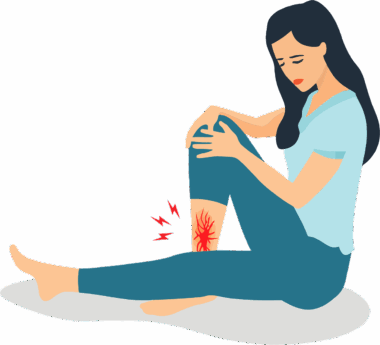
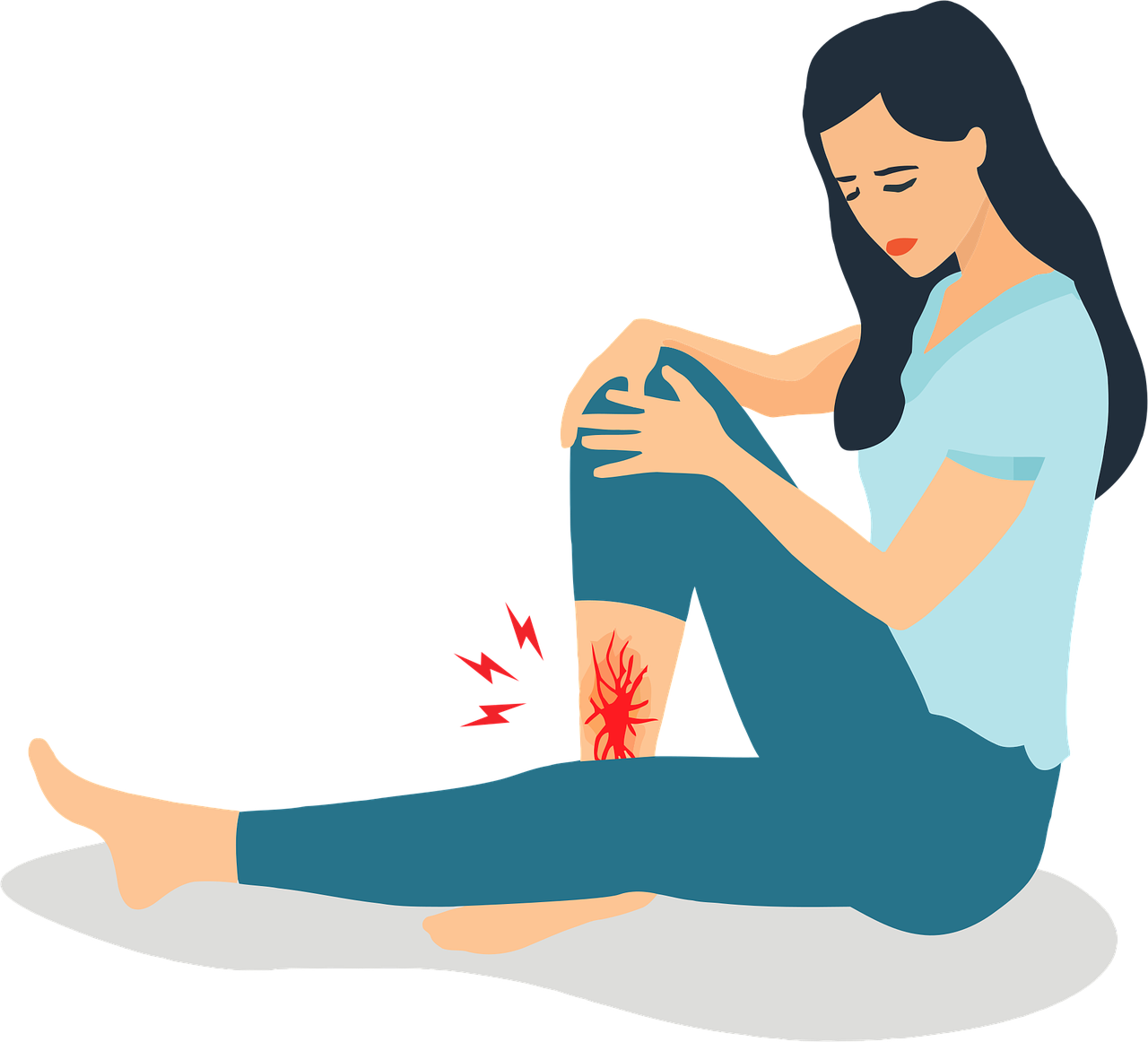
As we progress through the training objectives of Week 50, gaining awareness of common workout injuries becomes crucial to our training safety strategy. Injuries such as sprains, strains, and tendonitis can occur if exercises are performed improperly or if the body is pushed beyond its limit. Recognizing the early signs of these injuries is key. Symptoms like persistent pain, swelling, and limited range of motion can indicate that it is time to take a step back and reassess your training routine. If you notice these indicators, don’t ignore them; it might be beneficial to revisit your form, reduce your workout intensity, or take a break entirely. An insightful discussion with a physical therapist can provide valuable insights on injury prevention and management strategies. They can help tailor programs for your specific needs, ensuring you train effectively while minimizing risks. Keeping track of any previous injuries is also essential since past incidents might influence future workouts. Learning how these injuries affect performance can help in preventing recurring problems as you continue to train vigorously in the upcoming weeks. Nurture your body to achieve ongoing success in your fitness journey.
As you approach the closing phases of Week 50, integrating mindful practices into your workout regimen is incredibly beneficial. Mindfulness techniques help you remain aware of your body’s movements and alignment throughout workouts, reducing the likelihood of injuries. Engaging in practices such as yoga or body awareness meditation promotes mental connection to physical health, allowing for improved body mechanics. By focusing your thoughts during workouts, you can enhance your self-awareness regarding muscle tension and joint positioning. This awareness enables you to correct improper forms before they lead to injuries. Additionally, utilizing feedback tools such as video recordings can further refine your technique. View your training sessions occasionally to identify any form discrepancies and work on correcting them. Empower yourself with knowledge, acquiring information from educational resources like workshops, books, and videos about safe training guidelines. Establishing mental strategies to calm the mind and focus during workouts can improve performance and foster injury resilience. Resultantly, iterations of mindful workouts will contribute to shaping a holistic approach toward achieving your fitness aspirations. As we advance, remember continually to build not only your physical strength but also your mental fortitude.
Techniques for Injury Prevention
Preventing injuries during your workout routines in Week 50 is all about implementing effective techniques that promote a safe training environment. Start by prioritizing a proper warm-up, as it readies your muscles and joints for the workout ahead, significantly reducing injury risk. Dynamic stretches and low-intensity exercises serve to elevate your heart rate, increasing blood flow to your muscles. Equally critical is focusing on switching up your exercise routine to prevent overuse injuries. By varying your workouts, you can target different muscle groups while allowing others to recover, mitigating strain. Consider incorporating cross-training exercises that provide your body with variety, keeping workouts engaging. Proper footwear is another factor; invest in quality shoes designed for your specific activities to provide appropriate support and cushioning. Biomechanical assessments may assist in identifying specific prerequisites for your footwear based on your activities. Furthermore, keeping a training log can serve as a valuable tool for monitoring progress, helping identify patterns correlating to injury occurrences. Consistency is vital for injury prevention success; integrate these techniques into every workout, and your dedication will pay off through improved performance and well-being.
In the latter stages of Week 50, stretching emerges as a crucial aspect of your workout to enhance flexibility and reduce the risk of injuries. Incorporate both dynamic and static stretching into your routine for well-rounded benefits. Dynamic stretches, performed before workouts, improve mobility and prepare your muscles for the activity ahead. On the other hand, static stretches should be included post-workout when your muscles are warm, aiding recovery and muscle relaxation. Aim for a gentle yet effective stretch of each major muscle group, holding each position for at least 20 to 30 seconds. This practice will ensure muscles are lengthened properly and can enhance overall performance. Additionally, mobility drills can maximize the range of motion and enhance joint stability. Incorporate specific exercises targeting areas prone to tightness or limited range, such as hips and shoulders. Consistency in your stretching routine not only helps improve flexibility but contributes to better posture and overall athletic performance. As you traverse your training week, remain mindful of the benefits these practices bring to your fitness journey while ensuring safety remains priority number one.
Conclusion: Setting Up for Future Success
Concluding our focus on Week 50, the importance of injury prevention cannot be overstated when aiming for lasting workout success. Establishing stamina, strength, and flexibility requires a well-balanced approach that prioritizes safety through every training session. Take the lessons learned about rest, recovery, stretching, and the techniques required for safe workouts and apply them to your future training plans. Consistently reflect upon and adjust your practices, treating this evolving process as a dynamic journey rather than a passive experience. Remember, the road to fitness includes both triumphs and setbacks. If injuries do occur, be proactive in seeking appropriate care while implementing recovery strategies to regain your footing swiftly. Consistently remind yourself of the long-term benefits of maintaining a sustainably healthy lifestyle, complemented by effective training practices. This week, develop a personalized approach by tracking your progress, analyzing challenges, and making progressive changes to ensure you continue to evolve positively. In the long run, investing in injury prevention and incorporating it into your workouts will support your objectives and enrich your overall fitness experience.
As we advance into Week 50 of our workout plans, prioritizing injury prevention is essential for maintaining our progress. To achieve your fitness goals effectively, it’s important to adopt a proactive approach to minimize injury risks during your training sessions. This involves understanding your body’s limits and listening to how it responds to different workout intensities. Consider how particular exercises impact you physically, and make necessary adjustments to stay safe. Adjustments may involve modifying techniques or choosing alternative exercises entirely. Don’t hesitate to consult with fitness professionals who can offer insights into safer workout practices. Over time, you’ll develop a better understanding of what your body can handle. Additionally, incorporating warm-up and cool-down routines can significantly reduce injury likelihood by preparing your muscles for exertion and aiding recovery post-training. Dynamic stretching is an excellent way to prepare your body before workouts, while static stretching can help maintain flexibility afterward. Balance workouts by including strength, cardio, and flexibility training into your regime to create a well-rounded fitness plan. This comprehensive strategy may shield you against common workout injuries and ensure a smoother training experience throughout the week, leading to lasting outcomes.