
Using Technology to Enhance Track Running Workouts
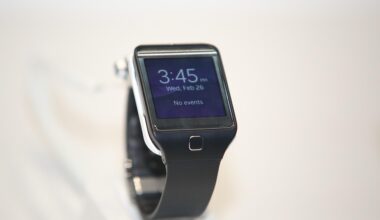
Track running is a popular form of exercise, allowing runners to focus on speed, endurance, and technique. With advancements in technology, athletes can now enhance their performance and optimize their workouts. GPS watches are an excellent tool for track runners; they provide accurate measurements of distance, pace, and heart rate. These devices can help monitor fitness levels and track progress over time, making them invaluable for serious athletes. Mobile apps also play a crucial role by offering customizable training plans, enabling runners to set goals and receive tailored workouts. Runners can log their distances, analyze their performance metrics, and even share their achievements with a community online. Additionally, fitness trackers, which can be worn during workouts, provide real-time feedback on running posture and form, offering suggestions for improvement. The integration of technology allows for a comprehensive approach to training, ensuring runners can maximize their efforts. It’s essential to choose the right tech tools that fit your running style and goals. Investing in quality devices and apps may enhance results and keep motivation high, ultimately making track running workouts more effective and enjoyable.
Understanding the importance of data in track running is essential. Technology continuously evolves, providing extensive data insights that were previously unavailable to athletes. Heart rate monitors, for example, provide valuable information on how hard one is working during a run. By analyzing heart rate zones, runners can better plan workouts, ensuring the right balance between hard training and rest. This insight can also guide athletes to avoid overtraining and potential injuries. Wearable technology has advanced to include features like cadence tracking, which allows runners to analyze their stride frequency. Monitoring cadence can be vital for enhancing efficiency and performance. Apps and devices that synchronize with smartphones can collect and analyze this data, offering feedback to improve running mechanics. Cloud-based storage means that this data can be compiled over weeks or months, providing a long-term view of progress. Competitive runners often use this data to refine their strategies during races, helping them make real-time decisions on pacing and energy expenditure. Embracing technology helps track runners move towards their personal bests with the science fueling their progress in exciting new ways.
Performance Monitoring with Powerful Apps
Performance monitoring is vital for any runner aiming to improve. Numerous apps specialize in tracking workouts, providing insights into different aspects of training. Adidas Runners and Strava are popular choices, offering features such as route planning, performance sharing, and achievement badges. These social elements can boost motivation, facilitating connections among runners of different skill levels. By participating in running challenges, users increase their engagement, ensuring they consistently push themselves. Additionally, many advanced apps now employ artificial intelligence to create more adaptive and personalized training plans. These smart algorithms analyze past performances, determining the best plan for each unique runner. By accommodating individual fitness levels and goals, these plans can quickly optimize workouts. Some apps even offer video coaching to help refine running form and technique. Video analysis can be particularly beneficial for track runners who focus on competitive performance, as subtle form adjustments can lead to significant speed improvements. Leveraging these apps can be the difference between a good and a great workout, making it even more essential for committed athletes to integrate the right tools into their routine for optimal results.
On the technical side, measuring running metrics has become increasingly precise through technology. Many runners now embrace smart shoes equipped with sensors to monitor performance data such as distance, pace, and pressure points. These shoes connect to mobile devices and provide real-time data analysis, highlighting areas for improvement. They can inform runners if they need to adjust their foot strike or cadence, helping to prevent injury. Moreover, smart insoles can track balance and foot stability, essential factors in achieving running efficiency. As many runners face injuries relating to form, technology can assist in avoiding these pitfalls. By providing immediate feedback, these innovations empower runners to make adjustments during training, enhancing their performance on the track. Another exciting development in track running involves the use of augmented reality. Some platforms now offer AR features, enhancing the running experience with interactive training sessions. This immersive technology adds a fun element while providing serious guidance on techniques and strategies. By exploring these different technologies available, runners can maximize the efficiency and effectiveness of their workouts, further propelling their performance to new heights.
The Role of Online Communities
Engaging with online communities can enhance the track running experience significantly. Platforms like Facebook, Reddit, or specialized forums enable runners to share experiences, tips, and support. These interactions foster a sense of belonging among athletes, breaking the isolation that sometimes accompanies individual training. Many successful runners attribute their progress to engagement within these communities, receiving encouragement or advice on overcoming hurdles. Furthermore, motivational content shared in these groups can keep individuals accountable on their fitness journeys. Joining virtual running challenges can also provide a sense of competition, pushing each participant to improve. For track runners, connecting with like-minded individuals fosters improvement through shared learning. It’s also beneficial to find a local running group through online platforms, as this can provide in-person support. Hybrid communities that blend online interactions with offline meet-ups can significantly enhance motivation. The companionship that comes from training together can lead to stronger performance outcomes. By leveraging technology to stay connected, runners can build lasting relationships that not only inspire but also hold them accountable as they pursue their running goals on the track.
As technology continues to evolve, the future of track running appears promising. Innovations in wearable technology will likely lead to even more advanced tools for performance analysis. Everything from IoT (Internet of Things) integration to improved battery life in devices boosts the potential for real-time feedback. Coaches are already beginning to embrace these technologies for training, allowing them to glean insights into their athletes more effectively. Furthermore, as communication technology advances, live streaming of races and real-time coaching may become more common, offering unprecedented support for both recreational and competitive runners. Virtual and augmented reality training simulations may also become standard, enabling runners to train in diverse conditions regardless of their actual location. Overall, the integration of technology will create a more focused, data-driven training approach. The ability to personalize workouts based on the latest metrics can optimize performance outcomes greatly. With all these exciting advancements on the horizon, those engaged in track running will find endless opportunities to enhance their training. Runners dedicated to remaining ahead of the curve can thrive in an ever-changing landscape of athletic performance, making it an exhilarating period for the running community.
Conclusion: The Future of Running Technology
In conclusion, technology significantly enhances track running workouts, providing tools and insights that empower athletes. From fitness apps to smart shoes, the data collected helps track runners refine their performance in previously unimaginable ways. This data-centric approach encourages goal-setting while keeping motivation high through community engagement. As technology continues to evolve, it will further push the boundaries of what is achievable in track running. Athletes are likely to find themselves equipped with increasingly sophisticated methods for analysis, experience, and community support. It’s an exciting time in the realm of running, blending the physical demands with technological advancements. Embracing these innovations can lead to improved performances, increased enjoyment, and sustained commitment to the sport. The blend of technology and athletics makes it easier to track milestones and progress over time. As runners begin to adapt to these advancements, their potential can be limitless. The future undoubtedly holds more surprises for track runners willing to embrace change and leverage technology as a key ally in their journey towards excellence in running.