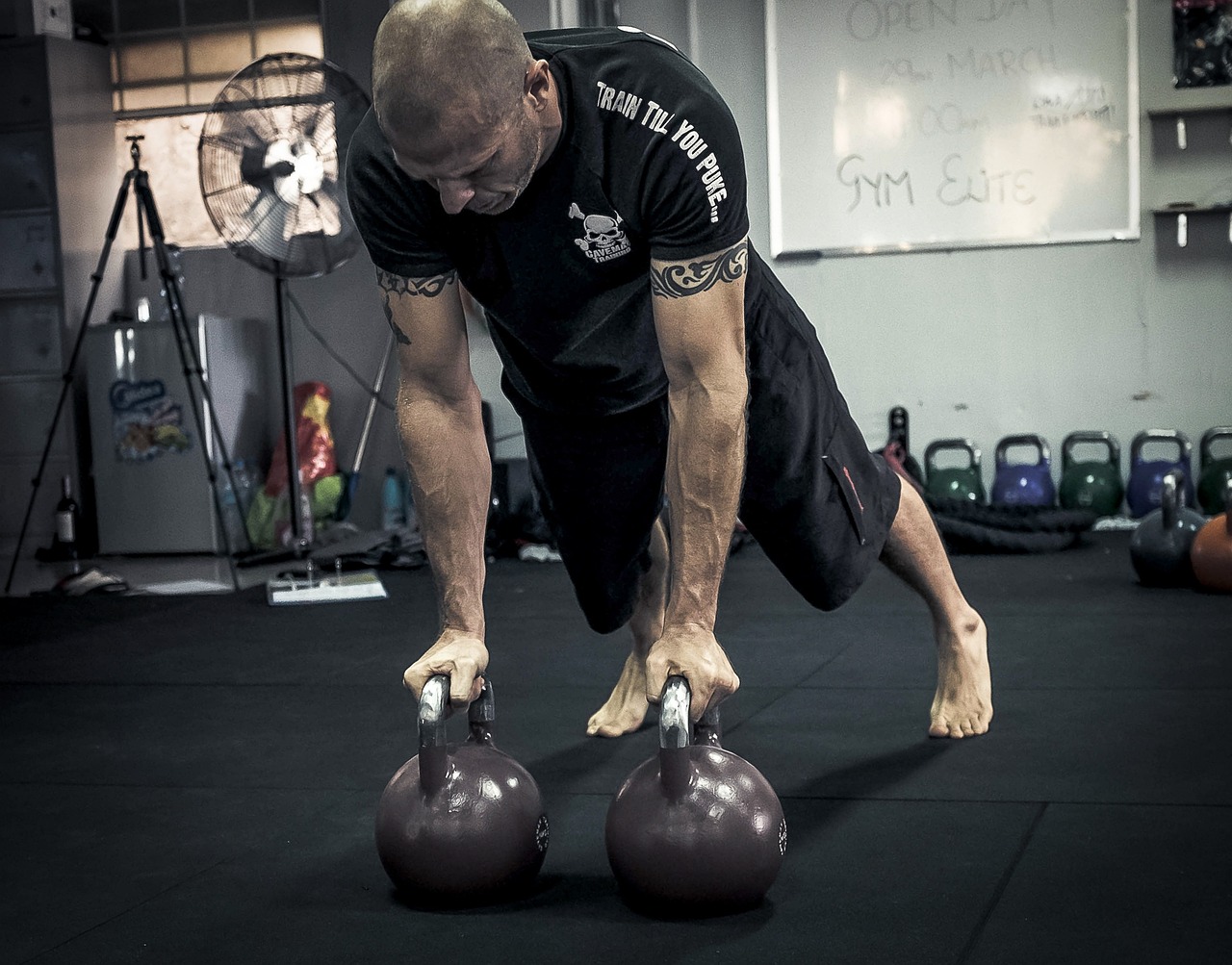

How to Recognize Fatigue-Related Errors in Kettlebell Training
Kettlebell training is an effective workout method that enhances strength, flexibility, and endurance. However, fatigue can lead to common mistakes that may result in injuries or hinder progress. It’s essential to know when to push your limits. Signs of fatigue often manifest as decreased performance, improper form, and increased discomfort. Acknowledge your body’s signals; ignoring them can lead to severe setbacks. Ensure to warm up properly and perform stretches to maximize your efficiency and prevent fatigue. Continuing to lift despite feeling exhausted leads to sloppy technique, increasing the risk of injury. Additionally, not staying hydrated can further contribute to fatigue. Always have water on hand, especially during intense sessions. Regular rest periods incorporated into your workout routine assist with recovery. Recognize the balance between achieving your goals and maintaining good form. Lastly, consult with a professional trainer to refine your technique and provide feedback on your workouts. Consistency is key, but so is listening to your body. By avoiding fatigue-related errors, you can make the most out of your kettlebell sessions while ensuring a safe, effective training experience.
Often, inexperienced kettlebell users fail to recognize mental fatigue as a contributor to poor performance. Mental exhaustion can stem from various factors, including lack of sleep, stress, and demands from daily life. When your mind is fatigued, your focus on the exercise diminishes significantly. This diminished focus can compromise the precision of movements, leading to mistakes. During your workout, clear your mind to ensure complete concentration on your technique and form. Neglecting the mental aspect during kettlebell training can lead to overlooking the proper posture, which greatly increases the risk of injury. Furthermore, engaging in complex routines while grappling with mental fatigue can cause errors in grip or balance. Always prioritize a calm and focused state of mind. To combat mental fatigue, incorporate mindfulness or breath work before your kettlebell session. For instance, taking a few deep breaths or practicing visualization can enhance your focus. Recognizing these errors stemming from mental fatigue is vital for a successful training regime. Create an environment conducive to concentration and clarity, so that you can give your best effort during each kettlebell workout.
Importance of Fatigue Management
Fatigue management plays an important role in maintaining effective kettlebell training. Instead of treating fatigue as a mere inconvenience, view it as an indicator that signals the need for modifications to your routine. Rest and recovery are just as critical as the workout itself, allowing your muscles to heal and grow stronger. When consistent training intensifies, consider implementing a structured program that incorporates deload periods. These weeks, where you reduce the intensity and volume of your workout, ensure your body remains fresh and improves performance over time. Recognize that your body signals for rest, indicating that recovery is essential for optimal performance. A common mistake is pushing through discomfort without acknowledgment of signs like excessive sweating or muscular tension. Increase awareness of your body’s needs. Monitor your energy levels and adjust your workouts accordingly. Listen to your body’s response to the workload you impose. Always be ready to adapt, when necessary, implementing lighter kettlebell sessions as a way to maintain consistency while preventing injury. A sustainable approach to kettlebell training benefits those aiming for long-term progress and minimizes the risks of fatigue-related mistakes that could hinder advancements.
Subtle mistakes can occur when lifters underestimate their limits during kettlebell training. Overestimating one’s capabilities can lead to lifting excessively heavy kettlebells, which significantly increases the risk of injury. It’s imperative to gauge your current strength levels accurately. During workouts, continuously check how you feel as fatigue sets in. If an exercise becomes more challenging than expected, consider lowering the weight or performing fewer reps. Furthermore, it is essential to prioritize form over the amount of weight when training. Focus on maintaining proper posture and alignment to benefit from kettlebell exercises fully. If you feel your grip beginning to slip, that’s a clear indicator that you should reassess your weight selection. Also, avoid the temptation to keep pace with more advanced kettlebell lifters. Every individual’s strength and endurance levels differ, and your journey should reflect your progression. It’s not about how much you lift but the quality of your execution. Maintaining a personal approach will help you recognize fatigue and prevent errors during kettlebell training, ultimately helping you progress in a safe and responsible manner.
Recognizing Physical Symptoms of Fatigue
Excessive fatigue often presents its physical symptoms, cautioning kettlebell trainers to reassess their workload. Common physical signs that surface include muscular tightness, joint discomfort, and lack of energy. Learn to identify these signs and differentiate between healthy exertion and an indication of overtraining. When you notice these symptoms, consider modifying your workout intensity. Schedule more rest days and focus on light stretching or yoga. Additionally, prioritize foam rolling or other recovery techniques that can contribute to muscle healing. Acknowledging physical discomfort is vital; doing so preserves not only your current performance but also your long-term physical health. Moreover, recognize that fatigue-induced mistakes might lead to prolonged recovery times. Monitoring your physical state will also help in preventing poor lifting mechanics. Errors stemming from fatigue often disrupt coordination and balance, resulting in ineffective workouts. Tracking how your body responds during training will allow you to make the appropriate adjustments moving forward. Understanding the connection between fatigue and physical symptoms can empower kettlebell lifters to create safer and more effective workout environments, leading to better training outcomes.
Nutrition and hydration play a pivotal role in managing fatigue during kettlebell training. A well-balanced diet provides the nutrients essential for powering through workouts effectively. Lack of energy can stem from inadequate fuel sources; ensure you consume enough carbohydrates, proteins, and healthy fats to support your exercise regime. Hydration is equally important, as dehydration can produce fatigue symptoms. Prioritize drinking water consistently throughout the day and during workouts. Consider incorporating electrolyte-rich beverages post-training, especially after rigorous sessions. Furthermore, timing meals appropriately can contribute significantly to your energy levels. A light meal or snack containing carbohydrates and protein consumed an hour before training can promote sustained energy. Nutritious snacks might include bananas, Greek yogurt, or protein bars. Experimenting will help you determine how different foods impact your performance. Furthermore, it’s vital to monitor food intake to avoid feeling sluggish. Keeping a food diary may aid in evaluating your dietary habits. Recognizing the correlation between nutrition, hydration, and fatigue can help kettlebell lifters empower themselves with adequate strategies for optimizing their performance and enjoying effective sessions.
Technology and Tracking Fatigue
In today’s training environment, technology can serve as a useful resource for tracking fatigue during kettlebell workouts. Wearable fitness trackers and smartphone applications are accessible tools that help monitor heart rates, activity levels, and overall recovery. Gaining insights into your physiological state allows you to strategize accordingly. For instance, tracking heart rate can indicate when your body’s under stress or close to its limit. Pay attention to the data these devices provide, and adjust your training program based on the feedback gathered. Setting up alerts for optimal training zones can prevent overexertion. Additionally, incorporating resting heart rate monitoring into your routine can provide another layer of insight. A rising heart rate upon waking may signal the need for recovery. Establishing routines that leverage technology enhances self-awareness of your training efforts. However, be cautious not to become overly reliant on technology. It’s essential to blend your digital metrics with intuition regarding your fatigue status. Ultimately, using technology can empower kettlebell trainers to recognize fatigue-related errors effectively, promote better practices, and reduce injury risk in the long run.
In conclusion, recognizing fatigue-related errors is crucial for safe and effective kettlebell training. As you become more aware of physical and mental indicators of fatigue, you can make informed decisions about your workout intensity and volume. Always prioritize quality over quantity in your training, focusing on maintaining the proper form to avoid injuries. This involves listening to your body when it signals fatigue, ensuring you make necessary adjustments like reducing weight or altering your routine. Nutrition, hydration, and recovery practices play pivotal roles in sustaining your performance. By combining these elements, you will create a sustainable approach to kettlebell training that supports long-term progress. Utilize technology wisely to track your fatigue levels while still honoring your body’s innate signals. Be proactive in your training journey by recognizing the interplay between fatigue and performance. Through conscious awareness, you can minimize mistakes, maximize your workouts, and ultimately enhance your overall kettlebell training experience. Monitor your progress meticulously and be adaptable in your methods for continued success. In this way, you ensure each session is effective, enjoyable, and fulfilling. Invest in your kettlebell journey for optimal results, and thrive in your fitness endeavors.