
Hydration Strategies for Optimal Kickboxing Conditioning
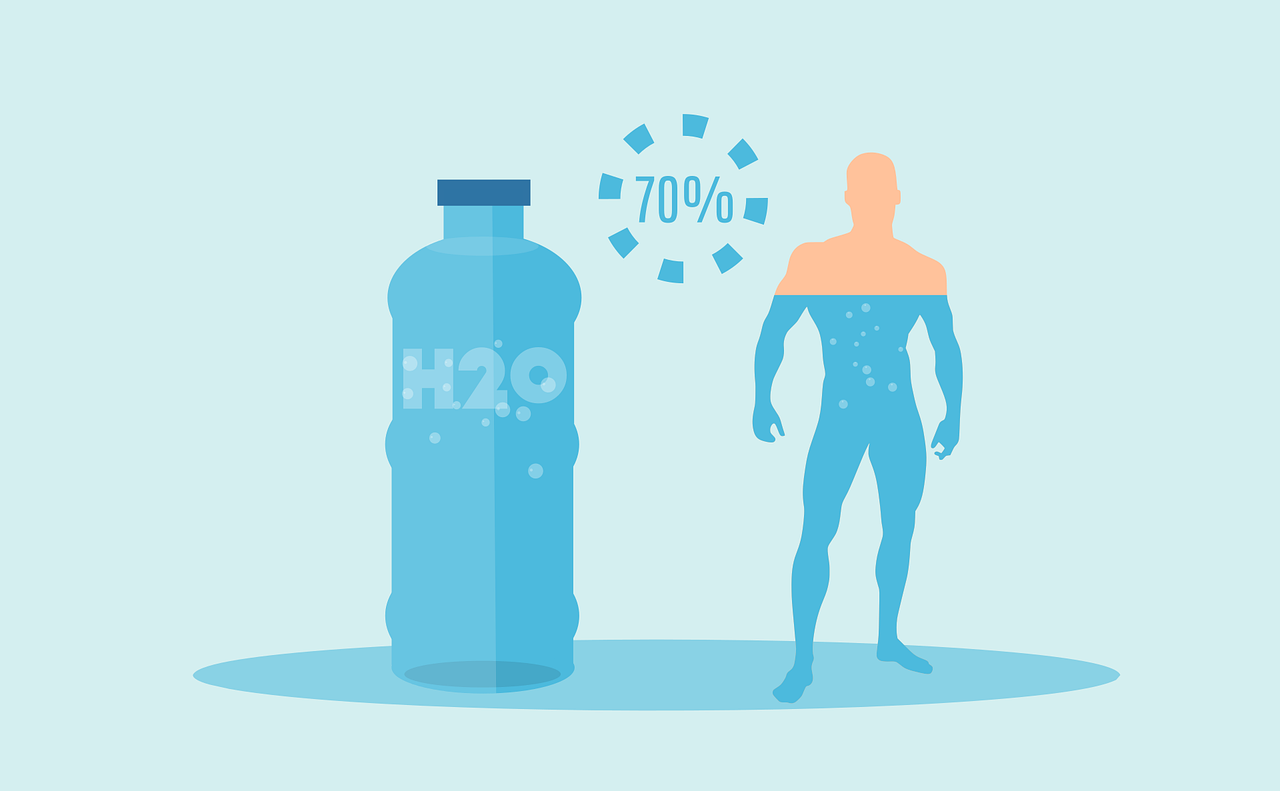
Hydration plays a crucial role in kickboxing conditioning. Proper hydration not only enhances athletic performance but also significantly reduces the risk of injury. A dehydrated athlete may suffer from decreased strength, endurance, and coordination, which can negatively impact training sessions and competitions. To maintain optimal performance, kickboxers should aim for consistent hydration before, during, and after workouts. Optimal hydration involves drinking appropriate fluids to replace what is lost through sweat and other means. Consider monitoring fluid intake by using the color of urine as a guide – pale yellow indicates proper hydration. Kickboxers should incorporate hydrating foods into their diets, such as fruits and vegetables which contain high water content. Consuming electrolyte-rich beverages before and after intense training sessions can replenish essential minerals lost through sweat. Keeping a water bottle on hand during workouts is a simple strategy for ensuring adequate hydration. Additionally, planning meals and snacks around hydration can improve performance by providing energy and maintaining fluid balance. Therefore, both fluid and dietary strategies are important for achieving peak kickboxing conditioning and ensuring health. Assessing personal hydration needs can lead to better performance outcomes.
Your conditioning regimen should include hydration awareness, timing, and techniques. Proper hydration requires a plan that all athletes can follow for optimal results. Before workouts, kickboxers should aim to drink at least 16-20 ounces of water 2-3 hours prior to training. It is vital to continue hydrating during workouts and drink water every 10-20 minutes, especially if training is extended. For high-intensity sessions, adding an electrolyte solution to water can help maintain performance. After workouts, rehydration is equally important. Consuming fluids after training can help speed up recovery and replenish lost electrolytes. Including mineral-rich solutions can be especially beneficial to combat fatigue and enhance recovery rates. Ignoring hydration can lead to subpar training outcomes and longer recovery times. Therefore, focusing on hydration strategies tailored to personal needs is fundamental for kickboxers. Creating a routine can ensure athletes are consistently hydrated. Keep track of daily fluid intake to confirm that hydration aims are met. Consider using wearables or mobile apps to track water consumption. Knowledge of necessary hydration can lead to improved focus and energy during workouts, positively impacting performance in kickboxing.
Understanding Hydration Needs
Understanding individual hydration needs is essential in designing effective training protocols. One key component is recognizing that hydration requirements can vary significantly based on factors such as body weight, training intensity, and environmental conditions. Setting personalized hydration goals ensures that kickboxers receive adequate fluids. Ideally, athletes should monitor their weight before and after workouts to gauge fluid loss accurately. For every pound lost, it is recommended to consume approximately 24 ounces of water to restore balance. Additionally, the temperature and humidity level can affect fluid needs. Strenuous training in hot and humid conditions can lead to increased fluid loss through sweat, necessitating an aggressive hydration approach. Kickboxers should consider implementing both short-term and long-term hydration strategies. For example, making hydration a daily preparation habit, rather than just addressing it immediately before sessions. Moreover, learning to recognize early signs of dehydration, such as excessive thirst and dry mouth, can help in achieving better performance outcomes. Ongoing education about hydration will not only further enhance kickboxing performance but can also contribute to overall health and wellness. Hence, focusing on personalized hydration strategies plays a key role in conditioning.
Choosing the right beverages is an integral part of hydration strategy. Not all fluids are equally beneficial for kickboxers looking to enhance conditioning. While water remains the foremost choice for hydration, sports drinks can provide additional benefits during prolonged exercise. These drinks often contain electrolytes and carbohydrates that help to optimize performance by replenishing electrolytes lost during sweating. When selecting beverages, it’s essential to read labels carefully. Look for drinks with balanced electrolyte ratios that don’t contain excessive sugars, which can lead to crashes and dehydration. For shorter training sessions, plain water is typically sufficient. Additionally, understanding the timing of fluid intake can maximize performance. Start drinking fluids at least an hour before training, and continue sipping during sessions. Opt for small amounts frequently rather than large amounts all at once. Furthermore, incorporating natural hydration sources such as coconut water can provide electrolytes and taste without added sugars. Smoothies or juices can also be tasty ways to enhance hydration and nutrient intake. All these strategies lead to improved kickboxing conditioning, making proper beverage choices essential for athletes. Effectiveness of these hydration strategies can truly enhance performance and endurance.
Signs of Dehydration
Kickboxers should remain vigilant for signs of dehydration that can hamper performance. Effective hydration strategies rely on understanding when the body is lacking fluids. Common early signs include dry mouth, fatigue, dizziness, and reduced concentration. Other developing symptoms such as dark yellow urine indicate dehydration levels and the need to rehydrate. Monitoring these indicators can provide athletes with clear insights into hydration needs. Athletes should engage in self-assessment during workouts. By taking note of how they feel, kickboxers can adjust fluid intake immediately. Severe dehydration can lead to more serious issues such as muscle cramps, heat exhaustion, and even heat strokes, which can sideline athletes for extended periods. To prevent this, developing a personal hydration plan can aid in addressing hydration levels proactively. Including regular hydration breaks during training sessions can help mitigate these risks. Incorporating this into training regimens is crucial for a successful kickboxing journey. Understanding and recognizing dehydration symptoms ensures the best possible condition for a kickboxer, providing awareness of how hydration genuinely affects performance. With proper monitoring, kickboxers can overcome barriers related to hydration and conditioning efficiently.
Recovery hydration strategies are just as important as hydration during training. After intense kickboxing sessions, refueling and rehydrating is crucial for muscle recovery and performance maintenance. For optimal recovery, it is recommended to consume fluids immediately after workouts, ideally within 30 minutes. Adding a balance of carbohydrates and electrolytes can assist in restoring lost fluids and nutrients. This will help kickboxers recover faster and remove metabolic waste produced during intense workouts. Drinking a combination of water and electrolyte-rich solutions, such as coconut water or specially-designed sports drinks, represents effective recovery strategies. Including solid food sources rich in water content like fruits and vegetables can further support hydration efforts post-training. This can enhance the overall recovery profile and promote quicker return to training. Maintaining proper hydration throughout recovery is key for kickboxing conditioning because dehydration can delay the healing process and increase fatigue. Kickboxers should aim to rehydrate fully before the next training session, ensuring their bodies are prepared for upcoming challenges. Establishing a clear recovery hydration process is vital for long-term success and maintains a strong kickboxing conditioning routine.
Long-Term Hydration Strategies
Long-term hydration strategies go hand-in-hand with continuous kickboxing conditioning. Achieving effective hydration habits require more than temporary changes. First, it’s important to establish a routine that integrates hydration seamlessly into daily activities. Drinking sufficient water throughout the day, and not waiting until feeling thirsty, can help maintain optimal hydration levels. Setting reminders to drink water can foster these habits. Adding flavor to water with fruits or herbs can make drinking more enjoyable while still hydrating. Secondly, kickboxers should monitor their hydration consumption as part of their training journal. Combining hydration goals with nutritional insights gives a more holistic approach to athletic preparation. Over time, learning how different fluids affect performance can lead to personalized hydration plans. Moreover, sharing hydration insights with teammates can create an environment that encourages accountability. Forming habits that prioritize hydration contributes to ongoing health, enabling kickboxers to push their limits. Establishing these long-term hydration strategies sets athletes up for continuous success in kickboxing. Balancing these strategies will profoundly impact conditioning and overall athletic performance, reinforcing why ongoing focus is essential.
In conclusion, hydration strategies for optimal kickboxing conditioning encompass various elements. This includes understanding personal hydration needs, recognizing signs of dehydration, and developing effective recovery hydration strategies. In addition, kickboxers should prioritize long-term hydration habits as an integral part of their training regimens. Water remains a primary choice for hydration, but electrolyte solutions and hydrating foods play equally critical roles. Regular monitoring and record-keeping can provide effective insights into hydration levels. Forming good hydration habits ensures athletes are prepared for the rigorous demands of training and competition. By focusing on hydration, kickboxers can enhance endurance, strength, and overall performance in the ring. Furthermore, the importance of hydration cannot be overstated—it can significantly affect energy levels and recovery times. Kickboxers who incorporate hydration awareness throughout their routines are undoubtedly better positioned for sustained success. Therefore, investing time and effort in proper hydration practices is a crucial strategy for every kickboxer looking to improve their conditioning and performance. Ultimately, an audience that embraces the benefits of strategic hydration will see improved results both in and out of the ring. The relationship between effective hydration and kickboxing conditioning should never be overlooked.