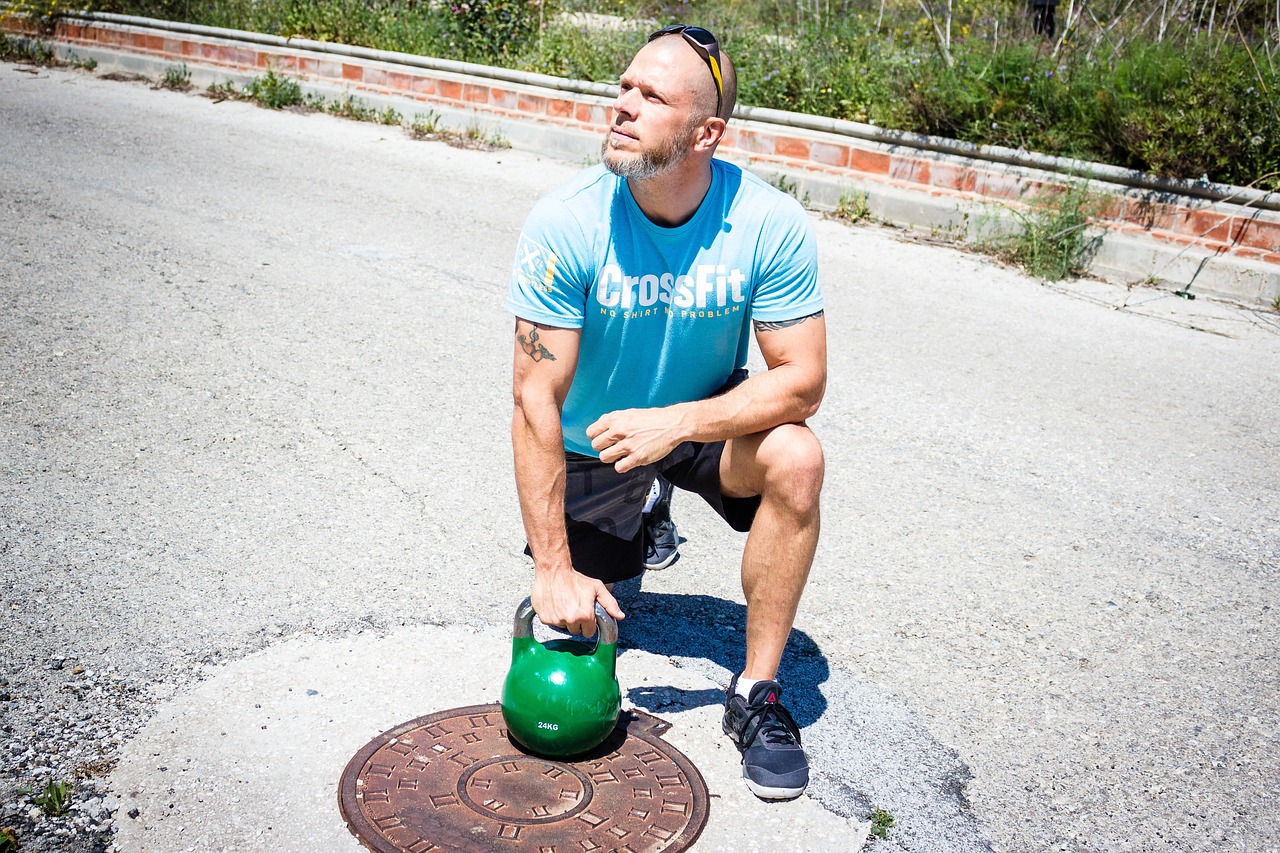

Kettlebell Deadlifts for Lower Back Strength and Stability
Kettlebell deadlifts are an effective way to build lower back strength and enhance overall stability. This powerful exercise targets several muscle groups, including the glutes, hamstrings, and core, making it an essential component of any fitness program. Engaging in kettlebell deadlifts not only improves functional strength but also helps to prevent injuries associated with lower back pain. Initiating the movement with a strong foundation while using kettlebells offers numerous advantages over traditional weights. Kettlebells allow for a better range of motion, which translates to increased flexibility and mobility. To perform a proper kettlebell deadlift, begin by standing with your feet shoulder-width apart, gripping the kettlebell with both hands. Maintain a straight back, engage your core, and hinge at the hips to lower your body and lift the kettlebell. It is crucial to focus on technique over the amount of weight being lifted. Incorporating kettlebell deadlifts into your routine will empower you to strengthen your lower back effectively and boost your athletic performance. Make sure you vary your lifting movement to balance muscle engagement across your body.
Form is crucial when performing kettlebell deadlifts. Proper technique will not only yield better results but also reduce the risk of injury. As you grip the kettlebell, ensure that your hands are placed directly under your shoulders for optimal balance. When lowering into the deadlift, focus on pushing your hips back rather than bending your knees excessively. This will maintain tension in your posterior chain, which is essential for the exercise’s effectiveness. As you lift the kettlebell upward, concentrate on straightening your hips and locking your knees simultaneously. Remember to keep your shoulders back and chest up throughout the movement. Engaging your core will provide added stability and support your spine, which is particularly important for minimizing lower back strain. Additionally, it’s a good idea to practice in front of a mirror initially to monitor your form. Consider recording your lifts to analyze your technique further. Regular practice will lead to improvements in both strength and stability, enhancing your performance in other exercises and daily activities. Start with lighter weights if you’re new to kettlebell training, gradually increasing as you become more comfortable.
The Benefits of Kettlebell Deadlifts
There are numerous benefits to incorporating kettlebell deadlifts into your workout regimen. First and foremost, this exercise significantly enhances your posterior chain strength, which is crucial for overall fitness. A strong posterior chain not only supports the lower back but also improves overall movement patterns and athleticism. Moreover, kettlebell deadlifts engage multiple muscle groups, promoting coordination and stability throughout your body. This integration of strength training helps contribute to a well-rounded fitness program. Furthermore, kettlebell deadlifts require core stability, which means you’re simultaneously working on building a stronger core while enhancing lower back strength. Strengthening the core can lead to better posture, which is essential for preventing back pain. Since kettlebell deadlifts can be performed in a relatively small space, they are ideal for home workouts or small gym environments. With just one kettle, you can reap these significant benefits without the need for additional equipment. Always remember to listen to your body. If you’re feeling discomfort, consider reducing the weight or reevaluating your technique to ensure a safe and effective workout.
Another significant aspect of kettlebell deadlifts is their adaptability for all fitness levels. Whether you’re just starting your fitness journey or you’re a seasoned athlete, kettlebell deadlifts can be modified to fit your individual needs and capabilities. Beginners may start with bodyweight movements or only use a light kettlebell while focusing on form. As your strength and confidence improve, you can gradually increase the weight, allowing for progressive resistance training without overwhelming your muscles. Likewise, more experienced lifters can utilize advanced techniques such as single-arm deadlifts or incorporating other exercises like kettlebell swings for a dynamic workout. This flexibility and the variety of options allow you to engage in a well-rounded exercise program while keeping things fresh and impactful. Furthermore, kettlebell deadlifts can play a key role in developing sports-specific strength for athletes focused on performance. By incorporating kettlebells into training, athletes can enhance their explosive power, enabling better performance across various sports and physical activities. As always, proper nutrition and hydration should accompany your workout regimen for optimal results.
Injury Prevention and Safety
Kettlebell deadlifts not only help in achieving strength and stability but also play a role in injury prevention. A well-functioning lower back is fundamental to supporting all types of movement, from everyday activities to athletic performance. Incorporating kettlebell deadlifts into your routine can help create a solid foundation for maintaining muscle balance, stability, and coordination. Improving strength in the lower back and core muscles is vital for reducing the risk of injury during workouts or daily movements. By focusing on safe technique when performing deadlifts, you’re teaching your body effective movement patterns that mitigate improper mechanics. Be mindful of any discomfort during training. If you experience discomfort in your lower back, pause your training session and evaluate your posture to prevent strained muscles. Additionally, don’t forget to warm up thoroughly before lifting. Proper warm-up routines might include dynamic stretches and lighter movements that gradually prepare your muscles for more intense activity. Cooling down after your kettlebell deadlifts with stretching and mobility work can also aid recovery and reduce soreness. Consistent practice supports enhanced strength, stability, and injury prevention.
Beyond physical benefits, kettlebell deadlifts also promote mental resilience. Engaging in strength training, like kettlebell deadlifts, has been shown to improve mental health by reducing symptoms of anxiety and depression. Through exercise, the brain releases endorphins, which are known as “feel-good” hormones, leading to improved mood and lower stress levels. Setting goals and achieving milestones with kettlebell training can foster a sense of accomplishment and boost self-esteem. Taking the time to focus on your lifts allows you to develop a mind-muscle connection, promoting mindfulness that can carry over into various aspects of life. Kettlebell deadlifts also encourage discipline and consistency, two essential ingredients for success in fitness and beyond. Regular scheduling of workout sessions fosters habits that promote commitment and accountability. As you make progress and see results, the motivation to continue striving for improvement intensifies. This journey towards strength and stability will not only fine-tune your physical prowess, but it also helps build character and resilience in your approach to challenges outside the gym. Ultimately, kettlebell training is about much more than the weights.
Conclusion: Incorporating Kettlebell Deadlifts
In conclusion, kettlebell deadlifts are a highly effective exercise for building lower back strength and overall stability, thus contributing to a well-rounded fitness program. Their adaptability makes them suitable for individuals at various fitness levels, ensuring everyone has the opportunity to benefit from this exercise. Combining strength and core training promotes injury prevention while enhancing functional movement patterns that translate to everyday activities. Embracing kettlebell deadlifts will require dedication and effort, but the journey promises rewarding results. Remember to prioritize proper technique, listen to your body, and gradually progress the weights as you build strength and confidence. Incorporating kettlebell deadlifts into your training regimen will strengthen not only your lower back but also improve overall athleticism and resilience. Additionally, consider combining different kettlebell exercises for a full-body workout that increases metabolic conditioning and muscle endurance. Take the time to structure your sessions deliberately to include progressive overload while maintaining good habits. As you tie in other essential elements of fitness such as nutrition, hydration, and recovery, the positive effects will compound, ultimately elevating both your physical and mental health.
Thus, kettlebell deadlifts are more than just a single exercise; they can become a cornerstone of your fitness journey, positively impacting multiple facets of your life.